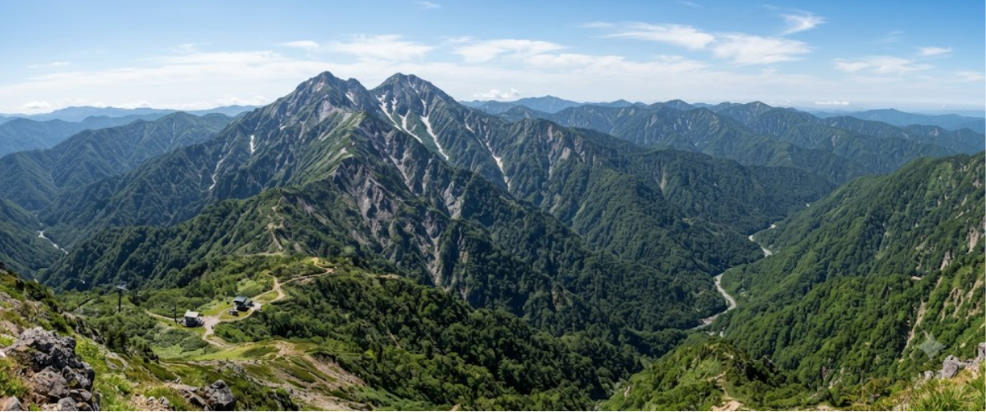
If you love to hike mountains or enjoy the beautiful views then Mount Tanigawa is a great place to visit in Japan. Mount Tanigawa is one of the most famous mountains in Japan. This mountain has tall rocky peaks, beautiful nature, colorful autumn leaves and amazing views. It is also easy to reach from Tokyo.
This mountain is easy to hike even if you are a beginner or an experienced hiker you will definitely enjoy this hike. From this guide you will learn about the best hiking routes, the best time to visit, what items you need to take with you and what you can expect during your hike. Everything is explained in a simple and easy way to help you enjoy your trip.
Table of Contents
Understanding Tanigawa’s Climbing History
The figure of 805 deaths is widely cited online in connection with Mount Tanigawa, with some sources calling it the deadliest mountain in the world. The number is real: Japanese sources counted 805 fatalities as of December 2014, measured from the early 1930s. The critical distinction, blurred in most English coverage, is that these were overwhelmingly technical rock climbers on the sheer eastern faces, particularly the Ichinokura rock walls, not hikers on the standard trail.
The Guinness World Records claim traces to YouTube video descriptions rather than to Guinness or any verifiable source. The documented Japanese nickname is “mountain of death,” which requires no embellishment.
Tanigawa sits where continental weather systems collide with Pacific systems, producing sudden violent changes. Cornices on the ridge can extend twenty metres; avalanche risk is severe. Near the base stands a large sculpted piton beside a wall inscribed with the names of the dead, a memorial most English guides do not mention.
For hikers, the relevant fact: the southern route via the ropeway is accessible enough that families reach the summit on holidays. The danger belongs to the climbing faces; the hiking trail is a separate matter.
Three Ways to Experience the Mountain
Tanigawa offers three distinct experiences, and travellers should know which they are choosing.
The ropeway visitor. The Tanigawadake Ropeway, a 2.3-kilometre funitel system, runs from Doaiguchi to Tenjindaira at 1,319 metres in ten minutes. A second lift continues to the Tenjin Pass observation deck at 1,502 metres. Alpine views, autumn colours, and mountain air with no climbing required. The ropeway operates year-round and suspends service in strong wind, with fares refunded.
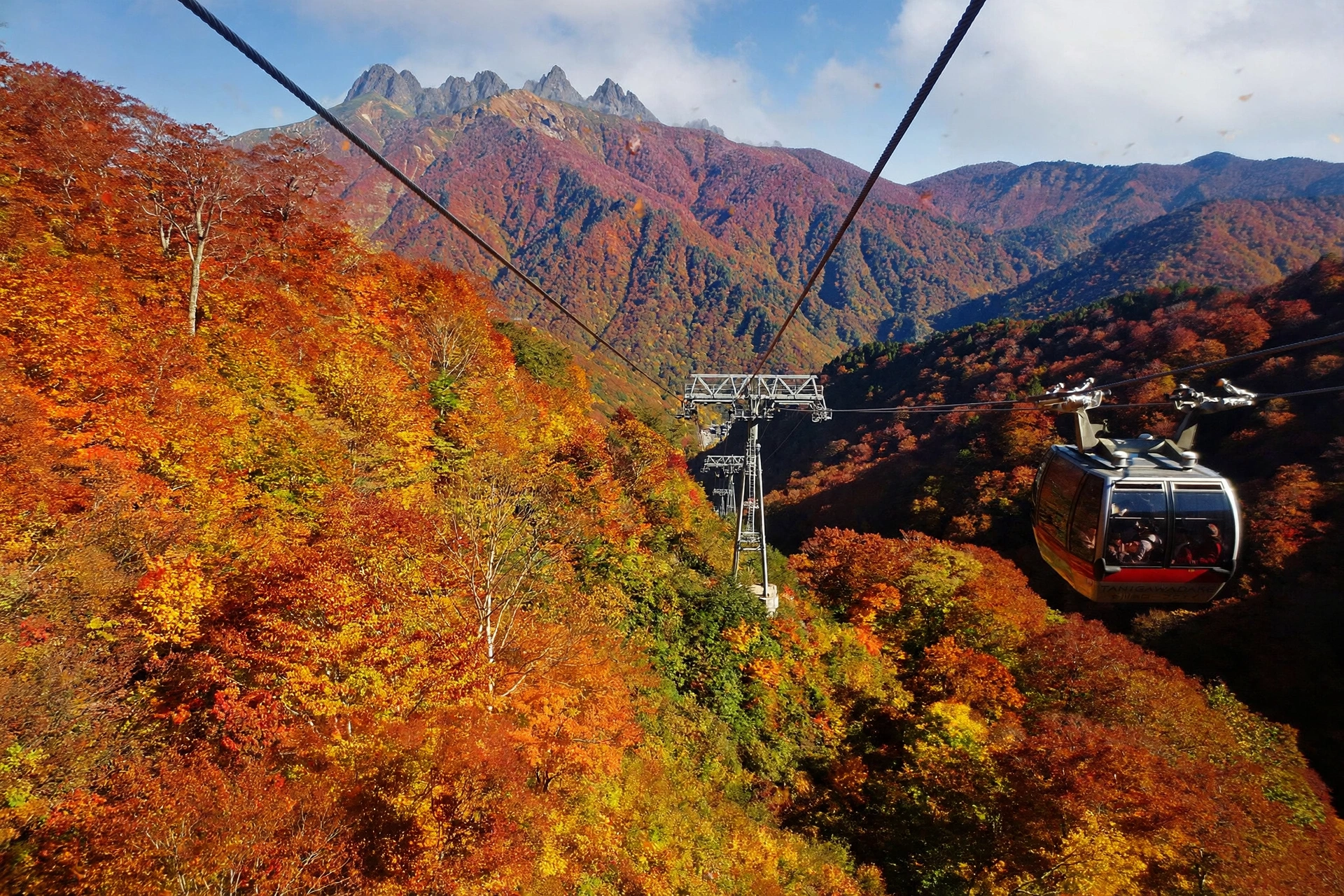
The Tenjin Ridge hiker. From the upper ropeway station, the trail climbs approximately 650 metres to the twin summits, Toma no Mimi and Oki no Mimi, in roughly two hours each way. This is a genuine mountain hike with chain sections and steep pitches. Guided operators advise against it for beginners and recommend building fitness with regular walks beforehand. Allow five hours round trip.

The Nishikuro Ridge. The advanced route, exposed and serious, where strong winds can erase the trail in cloud. This should not be a first Tanigawa experience.
Autumn Foliage
Tanigawa’s elevation range stretches the colour front across roughly a month. From the Tenjin Pass deck, early to mid-October is peak; from the ropeway itself, mid-October into early November. The signature species is Nanakamado, Japanese rowan, burning red alongside golden Minekaede maple, beech, and mizunara oak.
With favourable timing, visitors witness the three-tiered foliage the mountain is known for: snow dusting the summit, red leaves across the mid-slopes, and green still holding the valley floor, all in a single view.
Doai Station: The Underground Approach
Rather than bussing directly to the ropeway, consider the JR Joetsu Line from Minakami to Doai Station. Its downbound platform sits approximately seventy metres underground, earning the nickname “Japan’s best mole station.” Exiting requires climbing 462 steps.
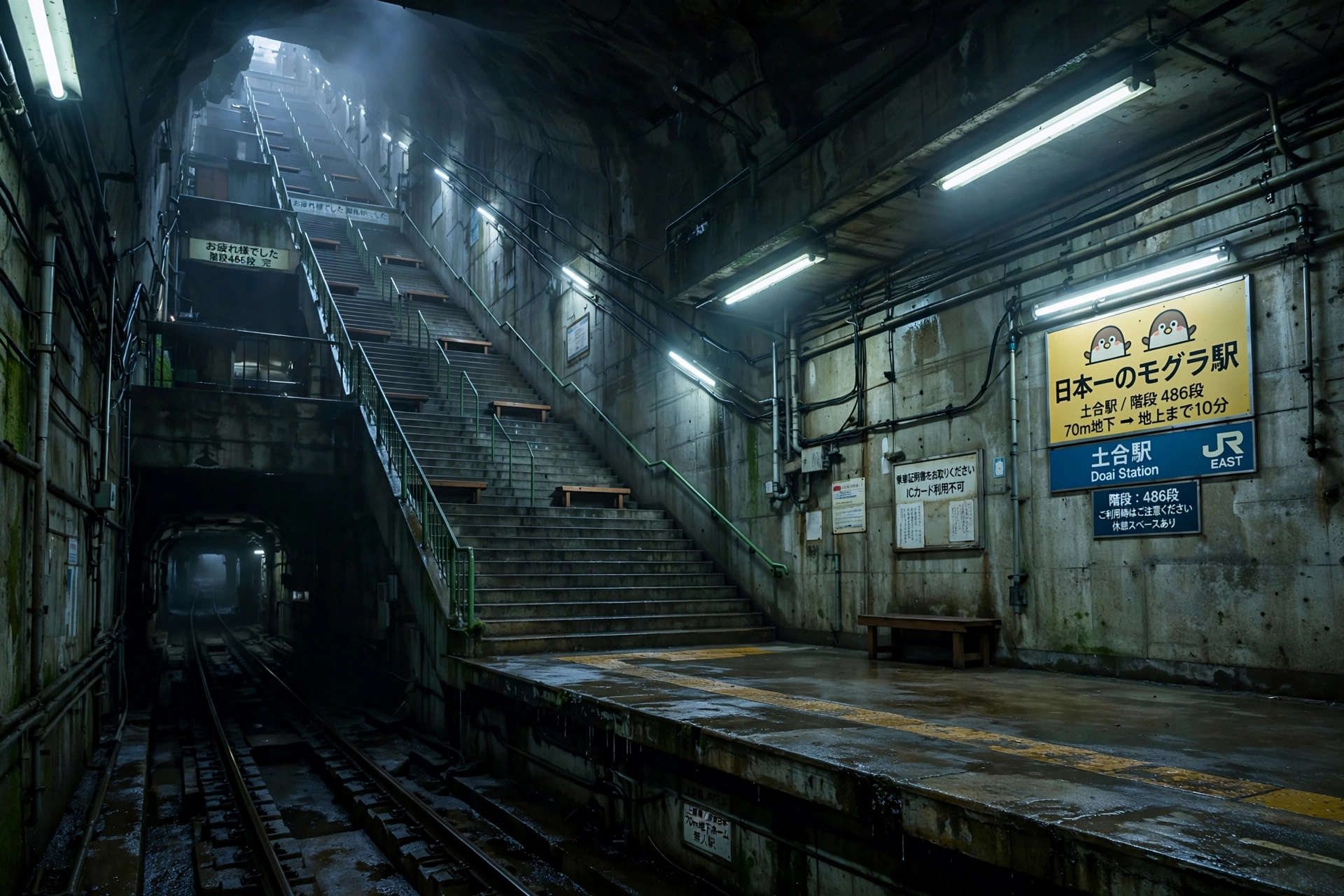
From Doai, a twenty to thirty minute uphill walk reaches the ropeway base. It adds effort before the hike begins, but provides a memorable approach few visitors experience.
Winter Conditions
Winter transforms the mountain and the rules change. The summer boardwalk buries under snow; follow the ridge line, and note the descent route may differ from the ascent. Mandatory equipment includes twelve-spike crampons and an ice axe; light crampons with poles alone are considered inadequate.
Experienced winter hikers observe a strict turnaround rule: depart Tenjindaira by ten in the morning, and descend if Toma no Mimi is not reached by one in the afternoon. There are no restrooms on the trail; use the ropeway station facilities. Winds beyond Kata no Koya blow continuously and severely.
The standard advice from those who know the mountain: climb it in summer first, learn the ridge in clear conditions, then return for winter if desired.
Beautiful Mountains Between Two Prefectures
Views from Tanigawadake Ropeway Route
Nishikuro Ridge Route
The Nishikuro Ridge Route is one of the most difficult hiking routes on Mount Tanigawa. It is not a good choice for beginners because the trail can be steep and challenging.
Instead of taking the ropeway people will start their climb from Doai Station. This path has steep slopes, rocky paths and narrow mountain ridges. Some parts also have chains to help people complete the journey safely.
Steep Route For Experienced Hikers
Along the way you will see beautiful mountain views but be careful when you climb and go slowly without rushing.
- Time: About 6 to 8 hours
- Difficulty: Difficult
This route is best for experienced hikers who are comfortable walking on steep and rocky mountain paths. All you need to do is have good hiking shoes and proper preparation.
Tanigawa Mountain Traverse
If you are an experienced hiker and want to have a longer adventure then you can explore the mountains around Mount Tanigawa. If you choose this way, you will see the main peaks and enjoy a more beautiful mountain area.
During the hike you can enjoy beautiful places on the mountain, amazing views of the mountains around you and peaceful natural scenery.
Enjoy Amazing Summit Mountain Views
This is a long journey and more difficult than other hiking routes, so you need good fitness, enough water, proper hiking gear and some hiking experience. People who love to spend time in nature and also love adventurous hiking will definitely like this place. To enjoy hiking you need to know about the correct hiking gear, so you must know what is the right gear to carry.
Mount Tanigawa Hiking Routes
| Route | Best For | Distance | Time | Difficulty | Highlights |
|---|---|---|---|---|---|
| Tanigawadake Ropeway Route | First-time hikers | 6 km (Round Trip) | 4–5 Hours | Moderate | Starts from Tenjindaira Station, excellent mountain views, shortest and most popular route. |
| Nishikuro Ridge Route | Experienced hikers | Starts from Doai Station | 6–8 Hours | Difficult | Steep climbs, rocky trails, chain-assisted sections, narrow ridges. |
| Tanigawa Mountain Traverse | Advanced hikers | Varies | Full Day | Challenging | Long ridge walk, peaceful trails, spectacular mountain scenery. |
How to Get to Mount Tanigawa
The easiest way to reach Mount Tanigawa is from Tokyo. First you need to take the Joetsu Shinkansen from Tokyo to Jomo-Kogen Station. From the station you can take a local bus to the Tanigawadake Ropeway. From there you can take the ropeway up the mountain or you can start your hike from the bottom.
Many people visit Mount Tanigawa as a one-day trip from Tokyo. But if you do not want to hurry, you can stay at a hotel or guesthouse nearby. Staying overnight gives you more time to enjoy the mountain, relax and explore the area peacefully.
Golden Sunrise Above Mountain Peaks
It doesn’t matter which route you choose, the mountain will definitely give you fresh mountain air and beautiful views along the way. All you need to do is take the right hiking gear and follow simple safety rules to have a wonderful and memorable time at Mount Tanigawa.
How We Would Choose a Tanigawa Route
This guide describes three very different days on one mountain, and the biggest decision is which of them you are actually signing up for. We would start with the ropeway and go further only once we had seen the mountain in clear weather.
| Option | What it involves | We would choose it if you… |
|---|---|---|
| Ropeway and Tenjin Pass deck | A ten-minute ride to Tenjindaira at 1,319 m, with a second lift to 1,502 m | want views and foliage with no climbing |
| Tenjin Ridge | About 650 m of ascent to the twin summits, around five hours round trip, with chains and steep pitches | are fit and comfortable on exposed ground |
| Nishikuro Ridge | Six to eight hours, steep and rocky, from Doai Station | are an experienced hiker and not on a first visit |
For colour, we would aim for early to mid-October at the Tenjin Pass deck, or mid-October to early November from the ropeway itself. We would follow the guide’s own advice to climb in summer first and only consider winter later, with 12-spike crampons, an ice axe and a strict turnaround time. Remember too that the 805 deaths cited online come mainly from technical climbing on the eastern rock faces, not the hiking trail, as this guide explains. If you take the underground Doai Station approach, allow for its 462 steps.
For more Kanto-area mountain days, see our Oku-Chichibu Traverse guide, and for an island alternative, Rishiri Island.

1 thought on “Mount Tanigawa Hike: Japan’s Premier Hiking Peaks ”