If you are a person who loves road trips while enjoying beautiful sea views in small villages and eating tasty seafood, then the Noto Peninsula Coastal Drive is the best trip for you. In Japan, there are many famous places, but the Noto Peninsula is a peaceful place that many people do not know about. This place is in Ishikawa, where you can see beautiful views.
In this place, you can enjoy a slow and relaxing road trip. There is no need to hurry. You can stop anywhere you like, stay there for some time, and enjoy the views while taking photos. If this is your first trip to Japan, you do not need to worry. This guide will help you plan a fun and memorable road trip around the Noto Peninsula.
Table of Contents
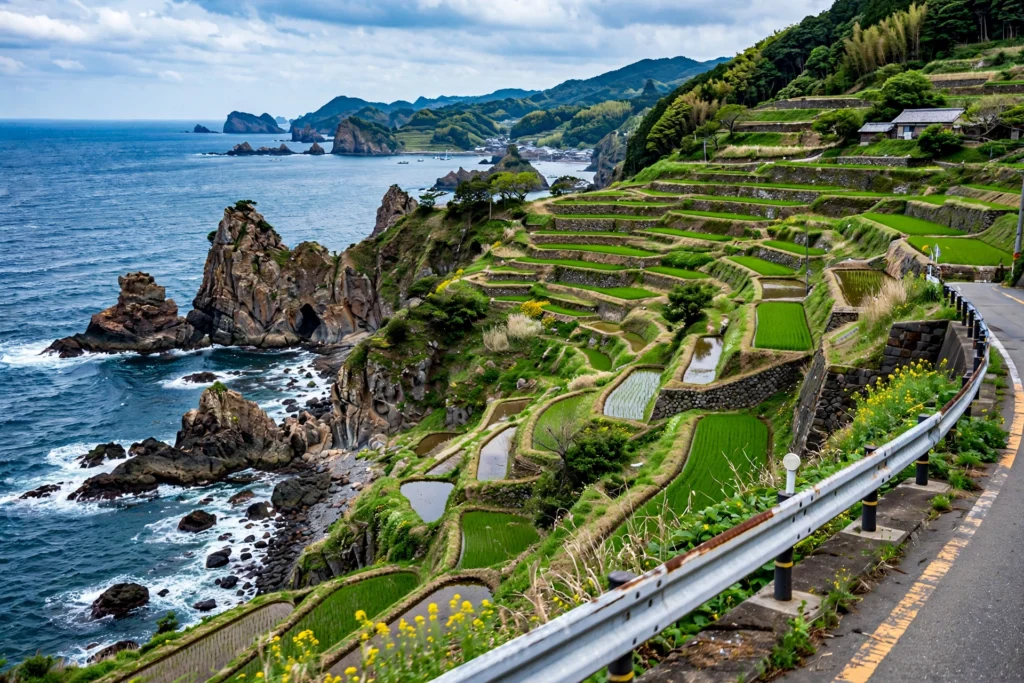
Peaceful Coast Along Sea Japan
How We Would Plan the Noto Drive
Noto is a trip where we would plan for flexibility first and sightseeing second. This guide is clear that the northern tip around Wajima and Suzu is still in recovery, with construction zones and single-lane traffic controls on some roads, so we would give the drive three days instead of two and leave slack for detours.
| Day | Route in this guide | What we would do differently |
|---|---|---|
| Day 1 | Kanazawa, Chirihama beach, the outer coast on Route 249, then Wajima | Check Chirihama’s status first, since the beach closes about 20 days a year, and book Wajima lodging early because capacity is limited |
| Day 2 | Wajima to Suzu, Cape Rokko and the Okunoto Salt Farm Village | Ask your accommodation about road conditions north of Nanao before setting out, and allow extra time |
| Day 3 | The inner coast to Wakura Onsen, then Kanazawa | Use the spare day for the onsen and a slow return rather than rushing |
We would travel between April and June or September and October, the windows this guide gives for the best driving conditions, and hire a rental car in Kanazawa because public transport in Noto is minimal. We would also follow its request to treat damaged areas with respect rather than as sightseeing subjects, and spend money at the family-run inns, market stalls and restaurants that tourism supports. For another scenic route, see our Shimanami Kaido guide.
Where is the Noto Peninsula?
The Noto Peninsula is in the northern part of Ishikawa, which is on the west coast of Japan. This place is beside the Sea of Japan and is known for its beautiful coastline, beaches, rocky areas, small fishing villages, and green nature.
This is not like places such as Tokyo and Kyoto, which have a lot of crowds. The Noto Peninsula is calm and peaceful. This place is great for driving, taking photos, visiting local villages, and enjoying fresh seafood.
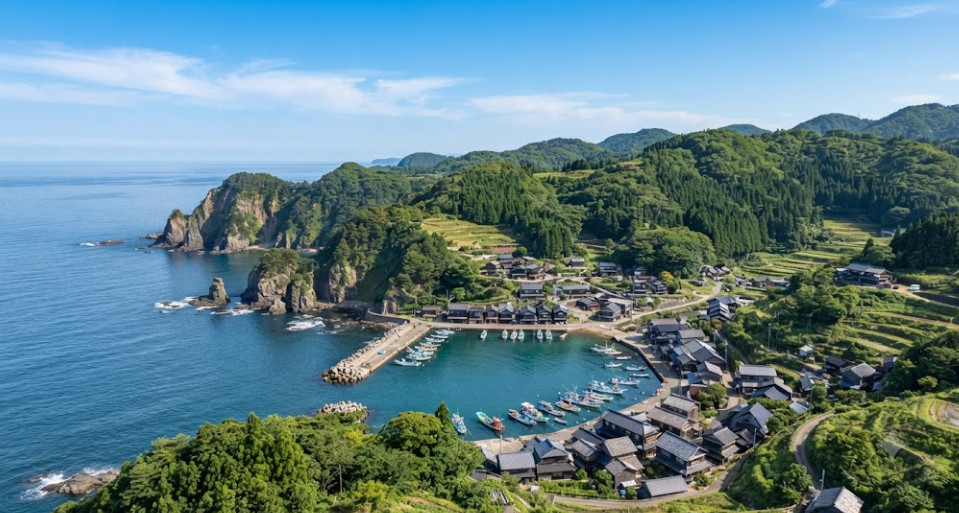
Experience Japan’s Peaceful Coastal Beauty
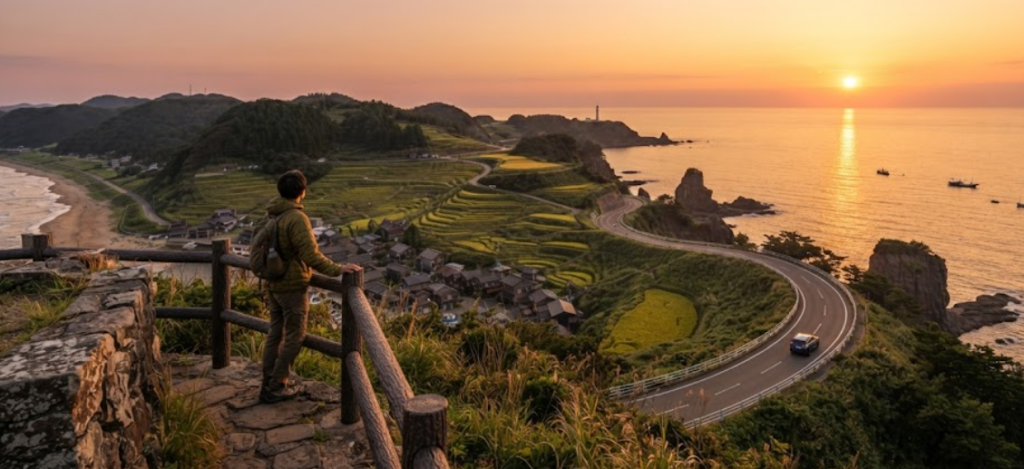
Create Unforgettable Travel Memories Forever
The 2024 Earthquake: Current Conditions
Visitors should understand that the Noto Peninsula experienced a major earthquake on January 1, 2024. The magnitude 7.6 event caused 245 fatalities in Ishikawa Prefecture, destroyed districts in Wajima and Suzu, and triggered a fire that consumed Wajima’s historic morning market area. Torrential rains in September 2024 compounded the damage, washing out recently repaired roads.
Recovery continues. As of 2026, southern Noto and Kanazawa operate normally. Wakura Onsen reopened its first fully rebuilt accommodation in July 2026. Wajima’s morning market trades from a temporary site, with full resumption planned for 2027. Noto Satoyama Airport has resumed operations.
The northern tip around Wajima and Suzu remains in active recovery. Visitors will encounter construction zones, temporary housing, and single-lane traffic controls on some roads. Tourism directly supports family-run inns, market vendors, and restaurants in the recovery zone. Travellers are asked to maintain flexible itineraries and to treat damaged areas with respect rather than as sightseeing subjects.
Recommended Driving Route: Two Days
The standard circuit begins in Kanazawa, where rental cars are available near the station. The route proceeds clockwise around the peninsula over two full days.
Day 1: Kanazawa to Wajima
Depart Kanazawa via the Noto Satoyama Kaido, a toll-free 83-kilometre expressway forming the peninsula’s spine. The first stop is Chirihama Nagisa Driveway, 30 to 40 minutes from Kanazawa.
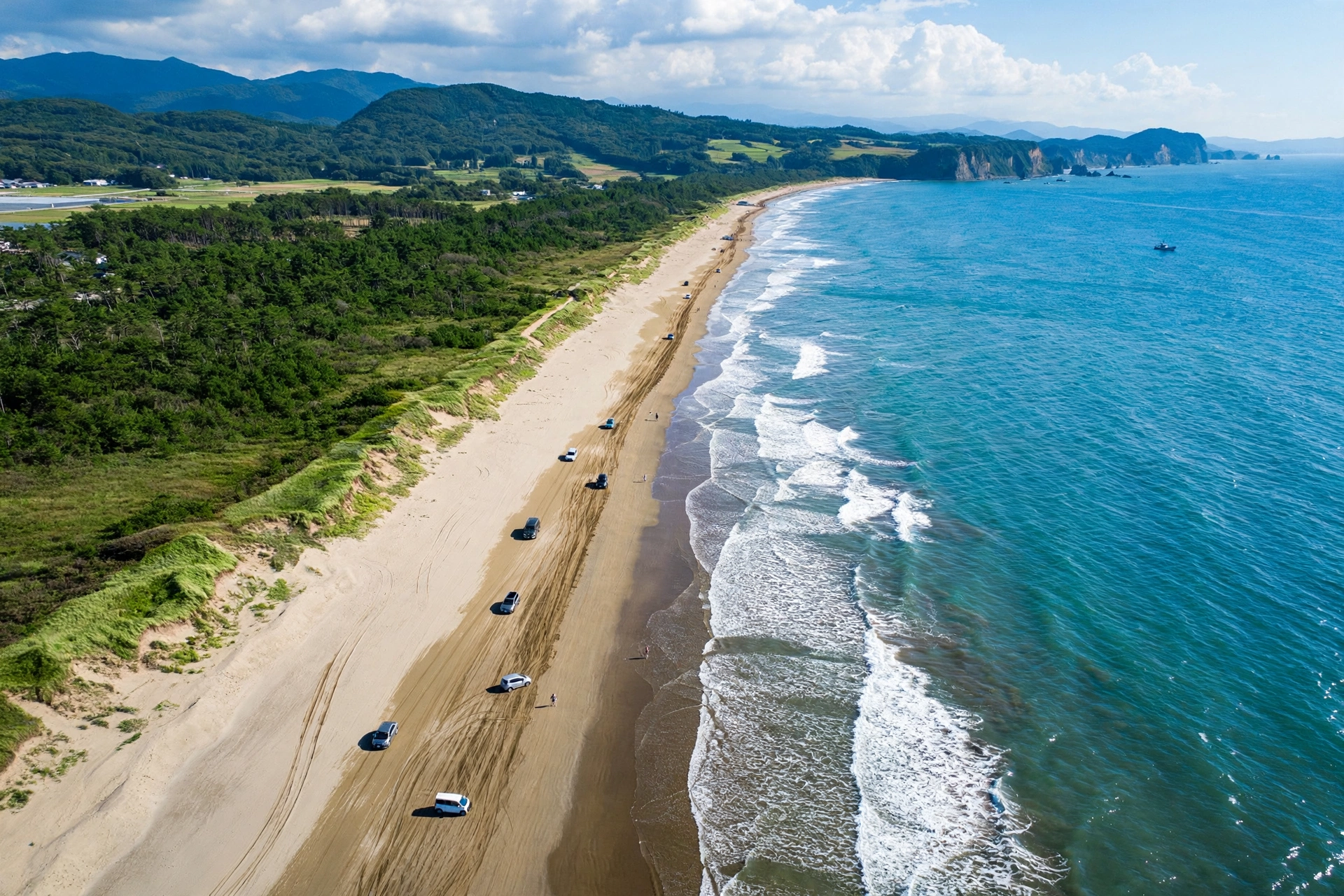
Chirihama is the only beach in Japan where private vehicles may legally drive on the sand. No permit or four-wheel drive is required. The 8-kilometre beach consists of exceptionally fine sand, approximately one quarter the grain size of typical beach sand, which compacts firmly when wet. The beach closes approximately 20 days per year, primarily during winter storms; verify conditions before departure.
Continue north on Route 249 along the Soto-ura, the outer coast facing the Sea of Japan. Notable stops include Ganmon, a 15-metre rock formation with a wave-carved arch, and Kotogahama Beach, known for its squeaking sand. Overnight in Wajima.
Day 2: Wajima to Suzu and Return
Drive east toward Suzu at the north-eastern tip. This section sustained the heaviest earthquake damage; allow additional time and verify road conditions locally before departure.
At Cape Rokko, the peninsula’s north-easternmost point, the lighthouse has operated since 1883. On clear days, both sunrise and sunset are visible over the sea from this 180-degree vantage. Nearby, the Okunoto Salt Farm Village continues the 500-year-old Agehama salt-making tradition, the last of its kind in Japan.
The return route follows the Uchi-ura, the inner coast facing Toyama Bay. Sheltered bays and fishing villages contrast markedly with the exposed western cliffs. Conclude at Wakura Onsen before returning to Kanazawa.
Key Attractions
Wajima Morning Market
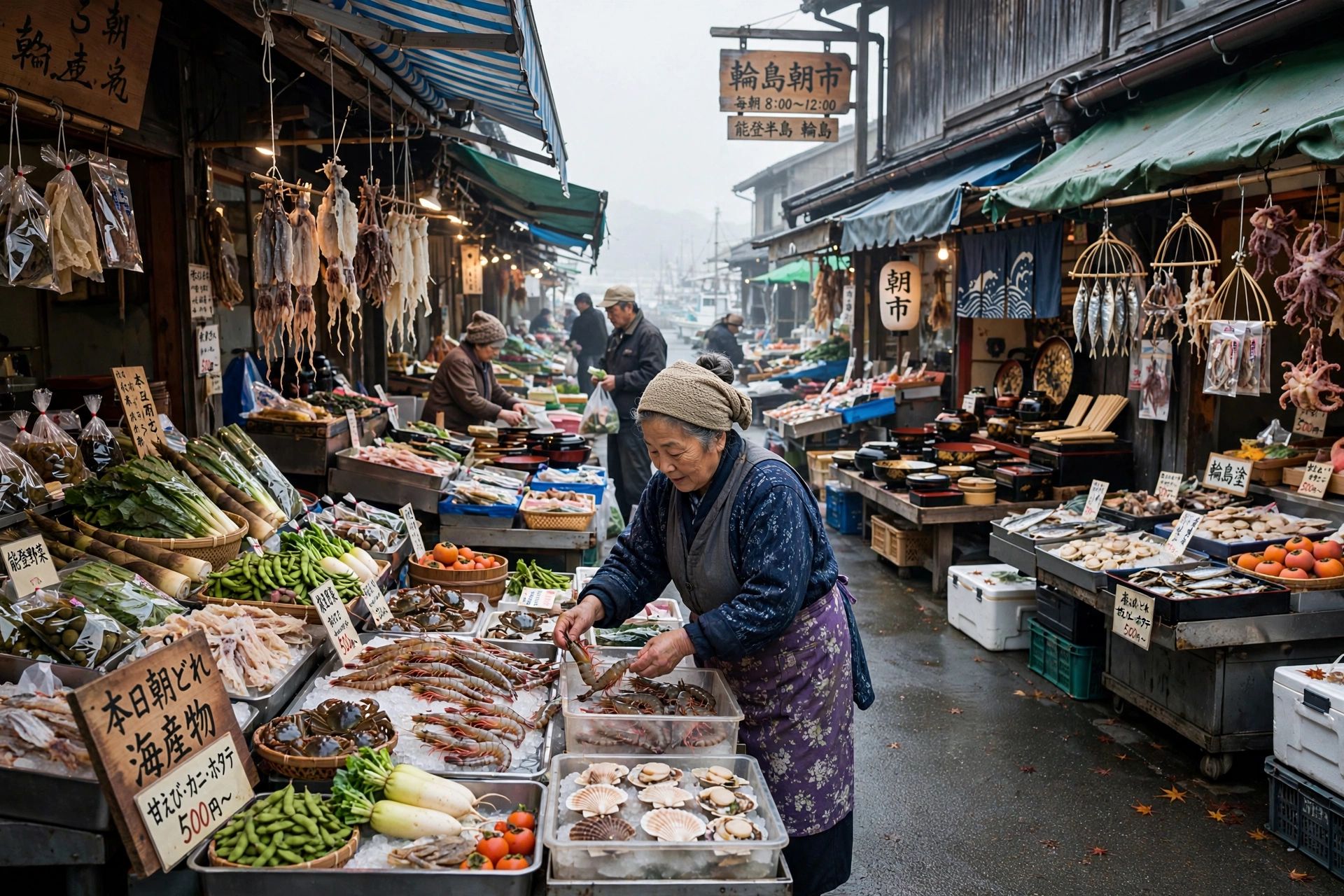
With over 1,000 years of history, the Wajima morning market ranks among Japan’s three great morning markets. The original Asaichi-dori venue was destroyed by fire in January 2024. Vendors resumed trading six months later at Wai Plaza Wajima, approximately one kilometre from the original site, where stalls operate daily. The customary practice of grilling purchased seafood over charcoal on site continues. Full resumption at a rebuilt venue is anticipated in 2027.
Shiroyone Senmaida Rice Terraces
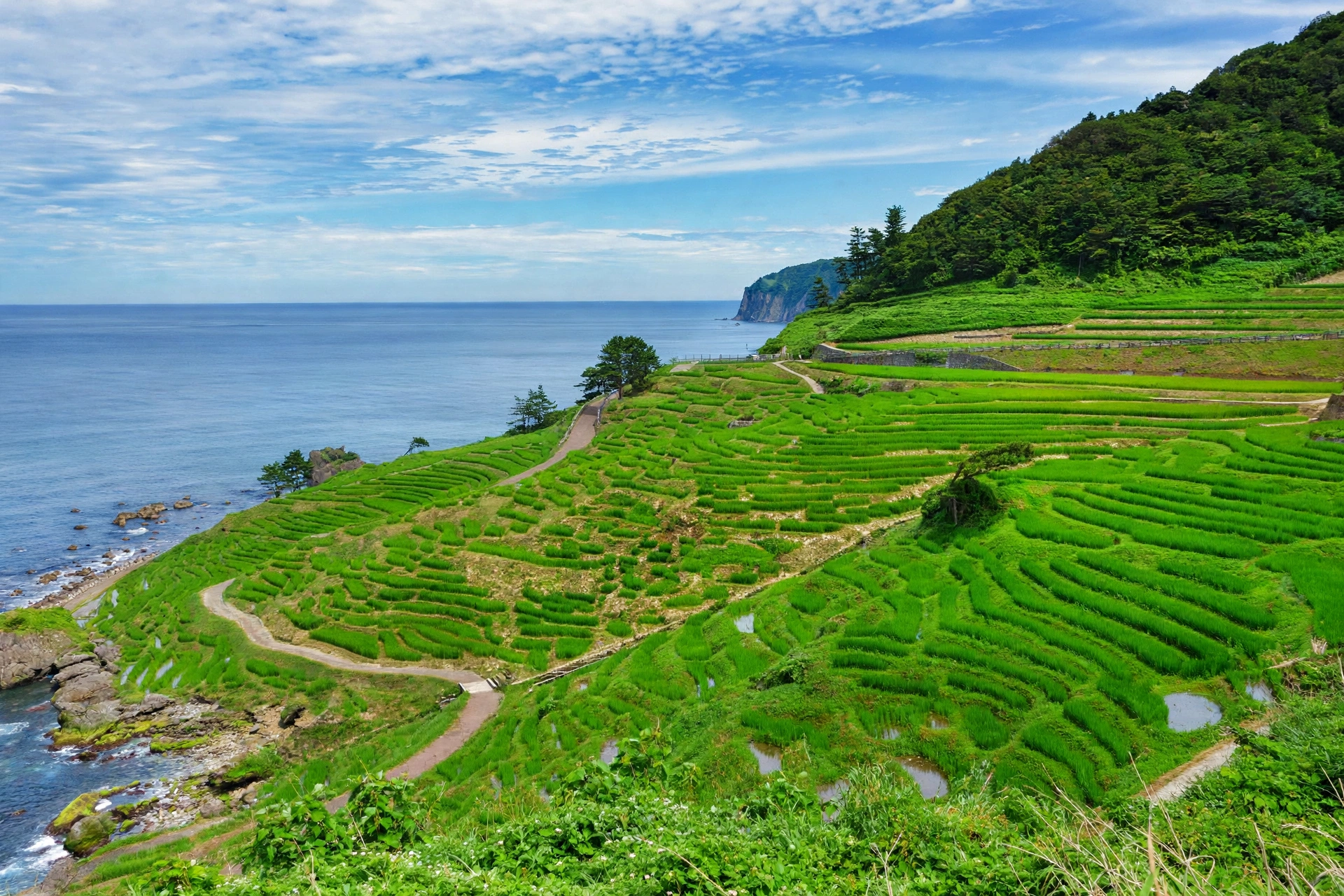
Located outside Wajima, 1,004 rice paddies descend to the Sea of Japan. The earthquake damaged approximately 80 percent of the paddies and irrigation channels; September 2024 flooding caused further harm. Restoration by local farmers and volunteers progressed from 60 planted paddies in 2024 to approximately 480 by May 2026. The winter illumination event, Aze no Kirameki, continues seasonally.
Mitsukejima
The formation known as Battleship Island off Suzu partially collapsed during the earthquake, losing approximately 20 percent of its mass to a 4-metre tsunami. The island’s profile has changed permanently from its depiction in older guidebooks. A Sylveon monument on the facing shore commemorates the recovery effort.
Sojiji Soin Temple
Founded in 1321 in the Monzen district near Wajima, Sojiji Soin serves as a head temple of the Soto Zen school and ranks among Japan’s most significant Zen institutions.
Accommodation
Wakura Onsen offers the widest selection of hot-spring ryokan along the bay. The historic Kagaya ryokan, operating for 120 years, is undergoing reconstruction under architect Kengo Kuma with reopening projected around 2028.
Wajima provides the closest base for the morning market and Senmaida terraces. Capacity remains limited following the earthquake; advance booking is essential.
Nanao functions as a transport hub for rail arrivals.
Regional Cuisine
Notable specialities include Noto beef (local wagyu), nodoguro (blackthroat seaperch, at its peak in late autumn and winter), hamayaki (grilled shellfish at Chirihama beach stalls), and Agehama sea salt from the Suzu salt farms. Wajima-nuri lacquerware, produced since the Heian period using distinctive hardening and gold-inlay techniques, represents the definitive regional craft souvenir.
Practical Information
Transport: A rental car is essential; public transport within Noto is minimal. Major rental agencies operate near Kanazawa Station. Noto Satoyama Airport connects to Tokyo Haneda in approximately one hour.
Seasons: April to June and September to October provide optimal driving conditions. Winter brings heavy snowfall from the Sea of Japan and periodic Chirihama closures.
Road conditions: Verify current conditions before travelling north of Nanao, as recovery construction continues and situations change. Consult accommodation providers or local tourism offices.
Noto Peninsula Coastal Drive – Quick Summary
| Location | Ishikawa Prefecture, West Coast of Japan |
|---|---|
| Best Travel Option | Self-drive rental car from Kanazawa |
| Trip Duration | 2–3 Days |
| Top Attractions | Chirihama Beach, Wajima Market, Senmaida Rice Fields, Mitsuke Island, Rokkozaki Lighthouse, Wakura Onsen |
| Best For | Road Trips, Nature, Photography & Seafood |
