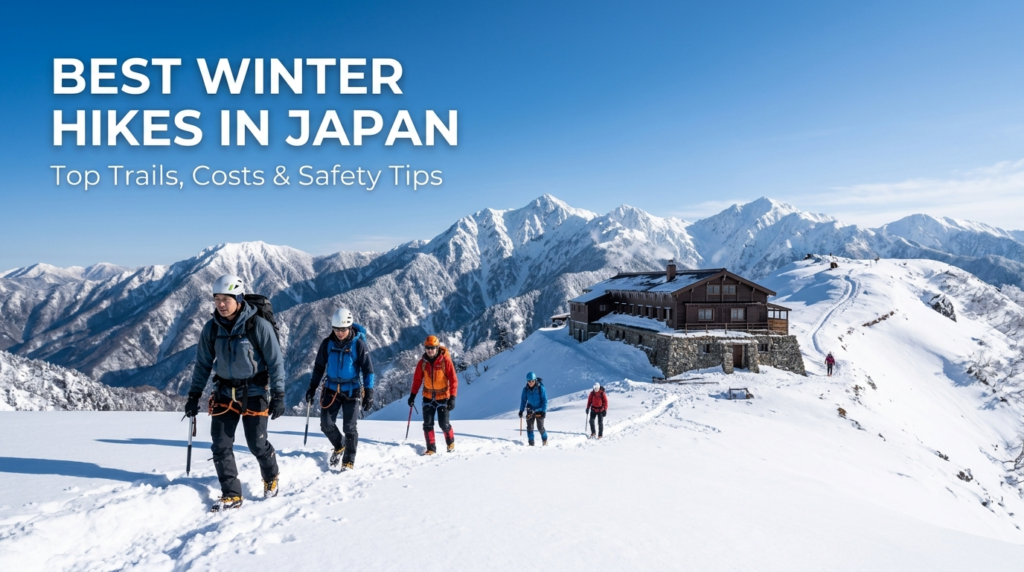
Cherry blossoms and maples in autumn are the images most visitors have of hiking here, but on the best winter hikes in Japan, there are empty trails, crisp air, and mountains blanketed in the lightest, driest powder snow on Earth. The snow season in Japan has been quietly promoted among adventure travellers for the past two decades, and for good reason: being on a quiet ridge with nothing but snow-covered forests for miles is considered one of the best winter hikes in Japan.
In Japan, during winter months, hiking is not a one-size-fits-all activity; for example, it can range from a casual, snowy walk near Tokyo to full alpine mountaineering in the Northern Alps involving crampons and an ice axe. This guide explores the adventure opportunities, when to head out, how much it costs, staying safe, how to get there and what past travellers wish they knew before putting on their boots!
Table of Contents
The Best Winter Hikes in Japan: Trails for All Levels of Ability
About 70% of Japan is covered by mountains that can accommodate a range of climbers from beginners to experienced mountaineers, with half-day hikes designed for the former and serious climbs for the latter.
1. Mt. Takao is located near Tokyo
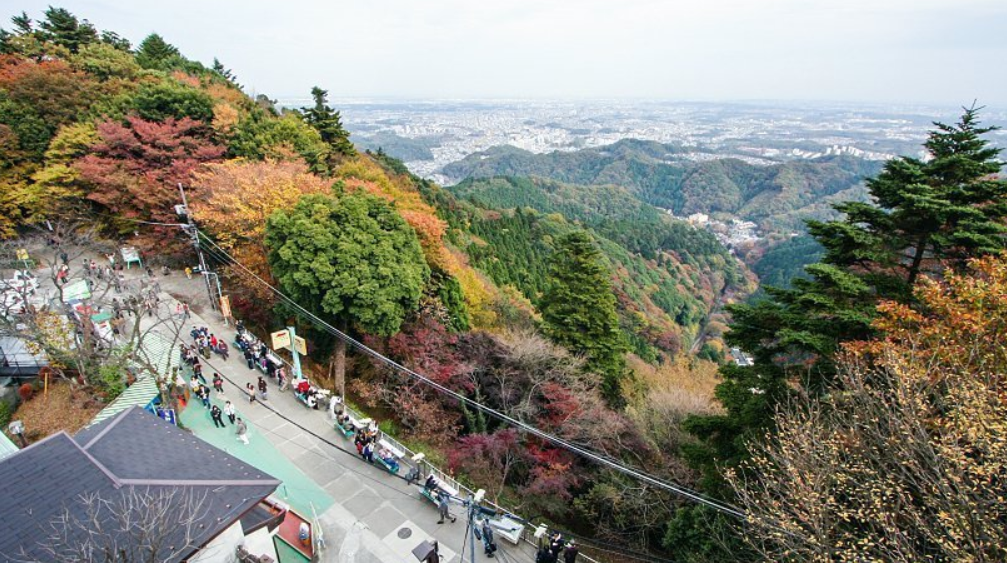
Ideal for: Beginners, convenience, no technical equipment required
Difficulty: Easy
Special features: Cable car, snow-free ascent, close to the Minami-Takao Seven Summits course
Mt. Takao is the best place to hike in Japan. The vast majority of the climb is snow-free, and a cable car takes you to the top in less than an hour. If you’re looking for something more relaxed and shorter, the Minami-Takao Seven Summits course is within easy reach.
2. Mt. Nokogiri (Chiba)
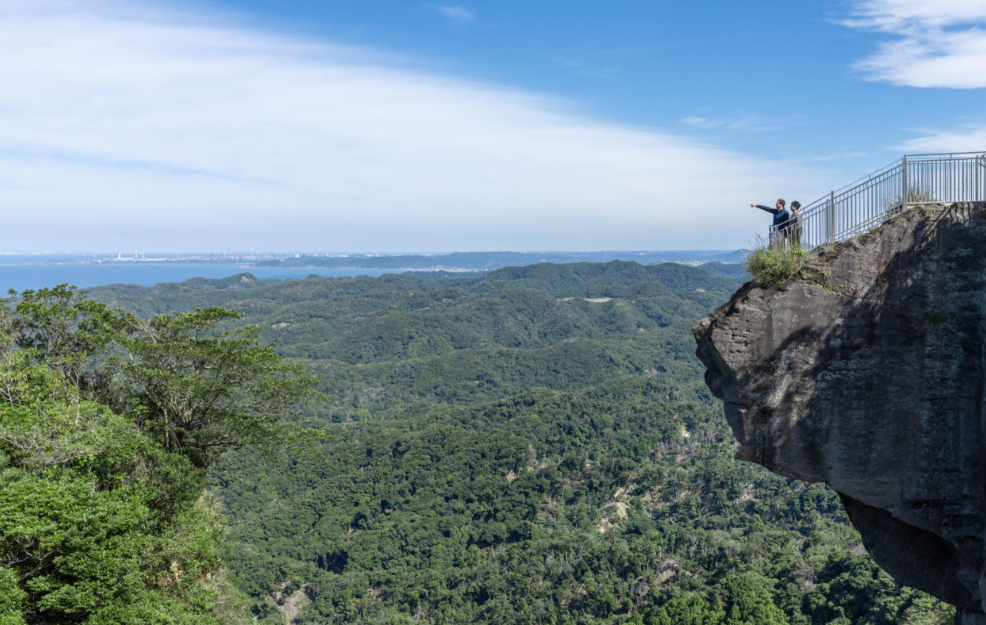
Suitable for: Novices, cultural sightseeing, no technical equipment required
Difficulty: Easy
Highlights: Japan’s biggest Buddha statue carved from a stone cliff.
A favourite for beginners who’d like some background with their scenery. The path leads to the country’s largest stone-carved Buddha statue and through an impressive cliffside quarry, no crampons or ice axe necessary. It is considered one of the best places to hike in Japan.
3. Karamatsu-dake (Near Happo-One Ski Resort)
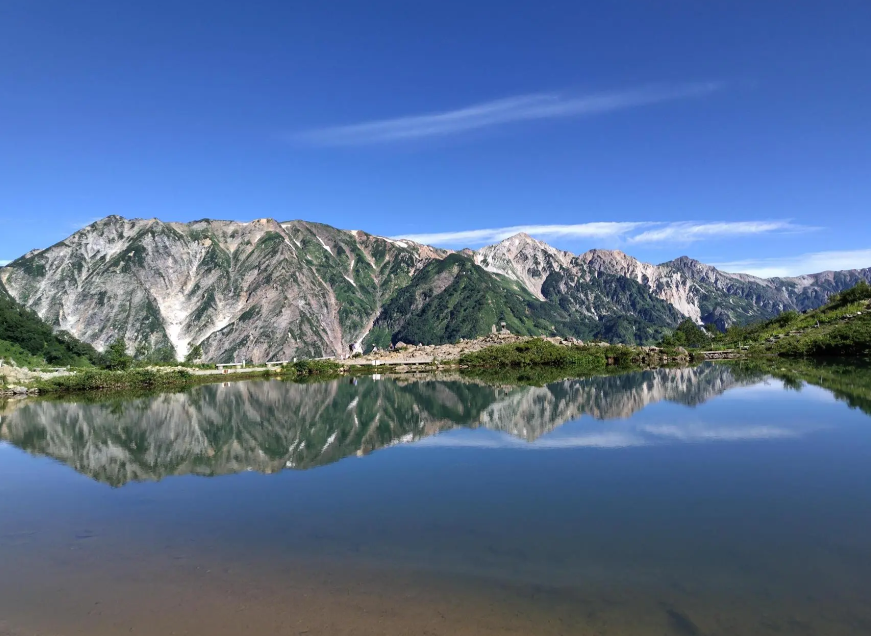
Best for: Genuine alpine experience, experienced hikers
Difficulty: Challenging
Key points: Snow on the summit, extensive alpine views.
A great climbing peak for the snow season. It’s close to the Happo-One ski resort with great views, though strong winds can hit the summit.
4. Daisetsuzan National Park (Hokkaido)
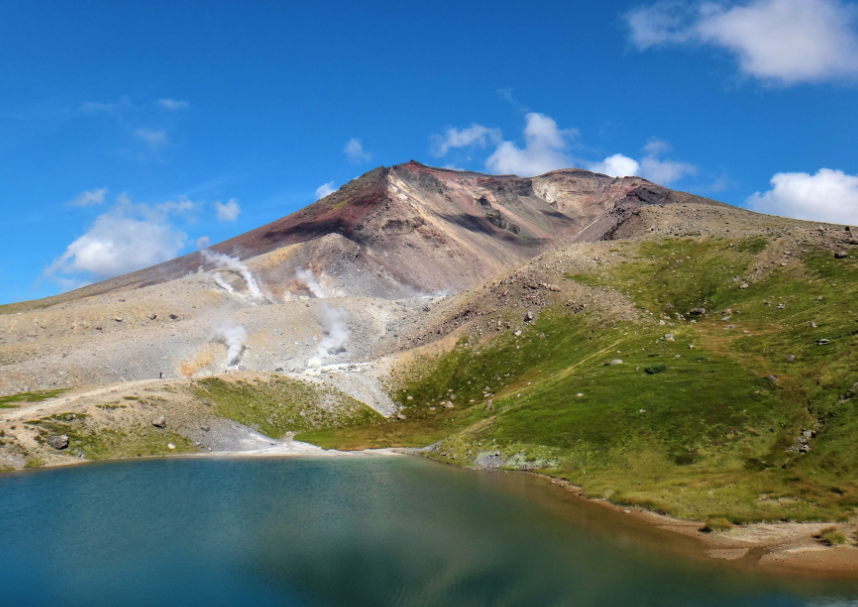
Ideal in the backcountry for skiing and snowboarding, and for dramatic winter scenes.
Age range: 35 to 40
Highlights: Mt. Asahi (Hokkaido’s highest peak), some of the most spectacular winter views in Japan.
When the snow comes, it’s a lot of fun in this park; the main attraction and goal is Mt. Asahi. This makes it one of the best places to hike in Japan.
5. Mt. Mikama, Kyushu, Japan
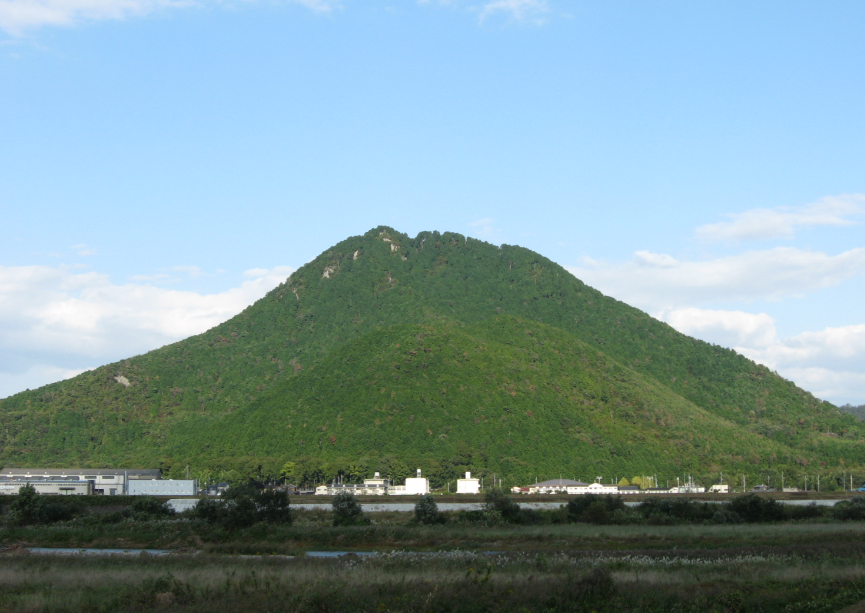
Best for: Mountain enthusiasts who prefer snow-free trails.
Group size: Small (2 to 4 people) to large (5 to 8 people)
Highlights: Most trails are snow-free; surrounding towns are beautiful.
For those who like mountain trekking but avoid icy or dangerous climbs, this range is ideal, as most of it is snow-free in winter.
The Best Time for Winter Hikes is from Mid-November until the start of Spring
Typically, from late December to February, the window for the best winter hikes in Japan opens, after the initial heavy snow in the Alps and Hokkaido (which may begin as early as late October at higher elevations). In contrast, lower-elevation, snow-free walking paths around Tokyo and Chiba are accessible during winter and are more suitable for those who do not like walking on snow. Before heading out, be sure to check current trail and weather conditions, as things can change fast even on familiar, snow-free trails.
The ins and outs of navigating the trails
- Budget-friendly trails: Tokyo’s local trails cost only a train fare and a cable car, at a maximum of ¥3,000 per day.
- Ski hill hikes: Price depends on ropeway/ski-lift passes and whether you stay at a mountain hut, ranging from ¥5,000 to ¥15,000.
- Access roads to the trailheads: Many trailheads can be reached by public transportation, but please plan ahead, as bus schedules are subject to change and some roads, such as those to Kamikochi, are closed for the season.
- Stay overnight: For early starts, it’s best to be close to the trailhead the night before.
Safety Tips & Traveller Recommendations
- Higher peaks require crampons, an ice axe, and strong avalanche skills; respect the mountain. Many huts are closed for the winter season, and there are very few people above the treeline.
- Weather can change in a flash: even a “no snow” trail is not storm-proof. Layer up and be ready for rapid changes in temperature and cold fronts.
- Hike within your ability: Select a route that fits your ability level, not the mountaineer’s route — your route.
- Carry traction devices: Icy spots can appear even on low and easy trails. Take microspikes or other equipment in case you need it.
- Download offline maps: Mountain signal is weak at best. Plan an alternate route in case of an emergency.
- Take account of the shorter days: Daylight hours are limited in winter; plan extra time in case you reach the trail late.
- Reward yourself afterwards: Many hikers find it best to end the day at a nearby onsen town with a well-deserved soak and some rest.
Final Thoughts
The mountains of Japan don’t stop at the end of summer; they simply transform, as the best winter hikes in Japan demonstrate, from easy, snow-free rambles in the vicinity of Tokyo to serious ascents in Hokkaido and the Northern Alps. If you’re properly prepared, have reasonable expectations of what to find this time of year, and treat the season with respect, it may be the most rewarding hiking season of the year in Japan.
