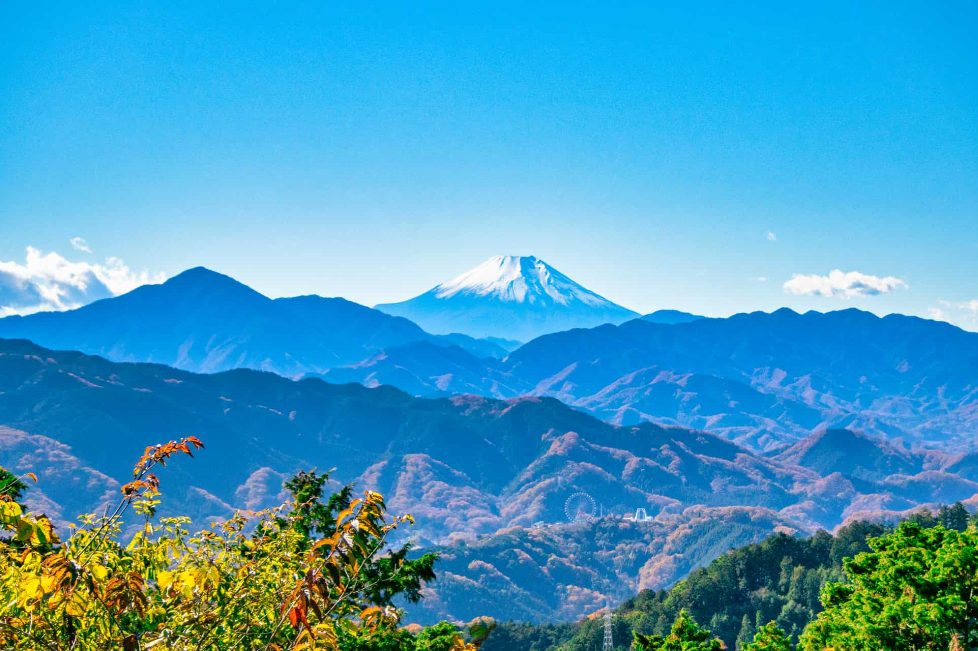
It’s not all temples and neon lights in Japan. Get away from the cities and encounter forests, ridgelines and shrines nestled in the mountains. This is why there’s a growing number of travellers looking for the best one-day hikes in Japan: trails that they can complete in a day but that feel like an escape.
There’s no need to use mountaineering equipment. It is also not necessary to take a week off work. These trails are all mainly located close to a train station. Bring water, sturdy shoes and an inquisitive mind. That’s it.
This is your convenient guide to the best one-day hikes in Japan, including routes, prices, safety and travel tips. It’s not too late to take action on short trips, too. Here’s why:
- No tent or other overnight equipment required.
- There are good trail markers and easy-to-follow trails.
- There are roads to nearly all of the trailheads.
- One loop provides views of the shrines, waterfalls and skyline.
It’s the simplicity and beauty of it that make the best one-day hikes popular among Japan’s first-time visitors and locals.
Table of Contents
1. Mount Takao
Mount Takao is the easiest introduction to hiking.
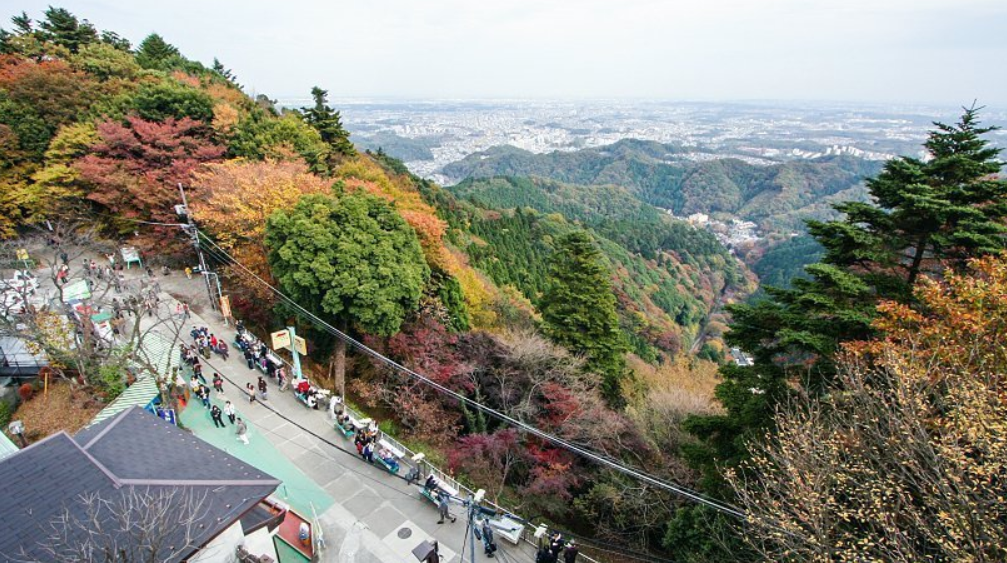
Mt. Takao, which is about an hour’s ride from Shinjuku by the Keio Line, is located nearby. It is probably one of Japan’s easiest-to-follow and most approachable one-day hikes.
- Height: 599 meters
- Round-trip time: 3-4 hours.
- The cost of the cable car is about ¥590/ride, one way.
- Highlights: On clear days, enjoy views of the city and Fuji from Yakuo-in Temple; there are six trails available.
Prefer going on a weekday, if possible. The mountain attracts millions of visitors each year and is a popular weekend destination.
2. Mount Mitake
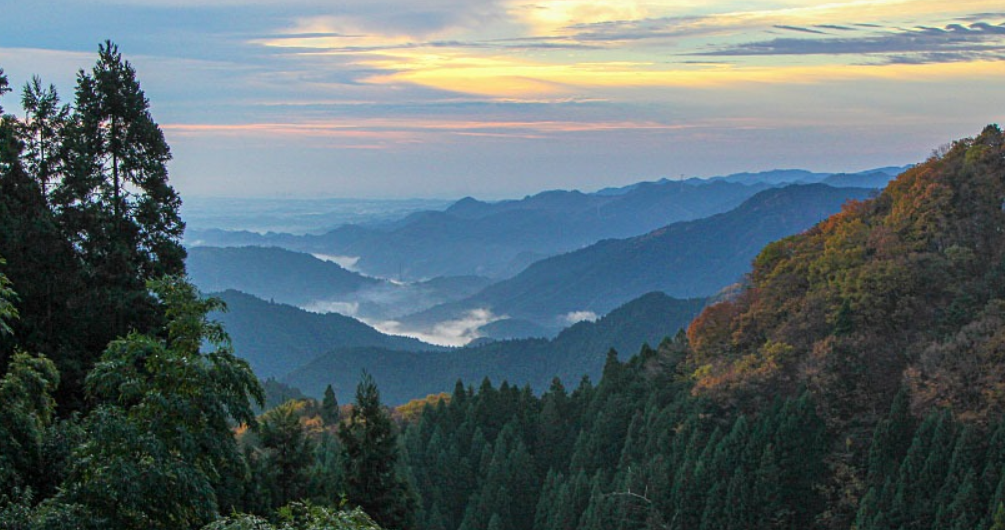
Further away, however, at Mount Mitake, you will find more tranquil paths and an escape into the real forest.
- Access: From the Chuo Line, arrive at Ome and then take the Ome Line to Mitake Station (a short bus and cable car ride from that station).
- Time required: 3–6 hours (depending on route)
- Accessibility: The cable car is easy to get to. The Musasabi Swing photo spot has a small fee to use, but you can get there easily; some other spots require a small fee and may be more difficult to access.
- Highlights include: Musashi Mitake Shrine, Rock Garden Trail, mossy streams and Ayahiro Falls.
It is one of the most pleasant one-day hikes in Japan for fall foliage, if you don’t want to deal with a lot of tourists.
3. Mount Kamikochi
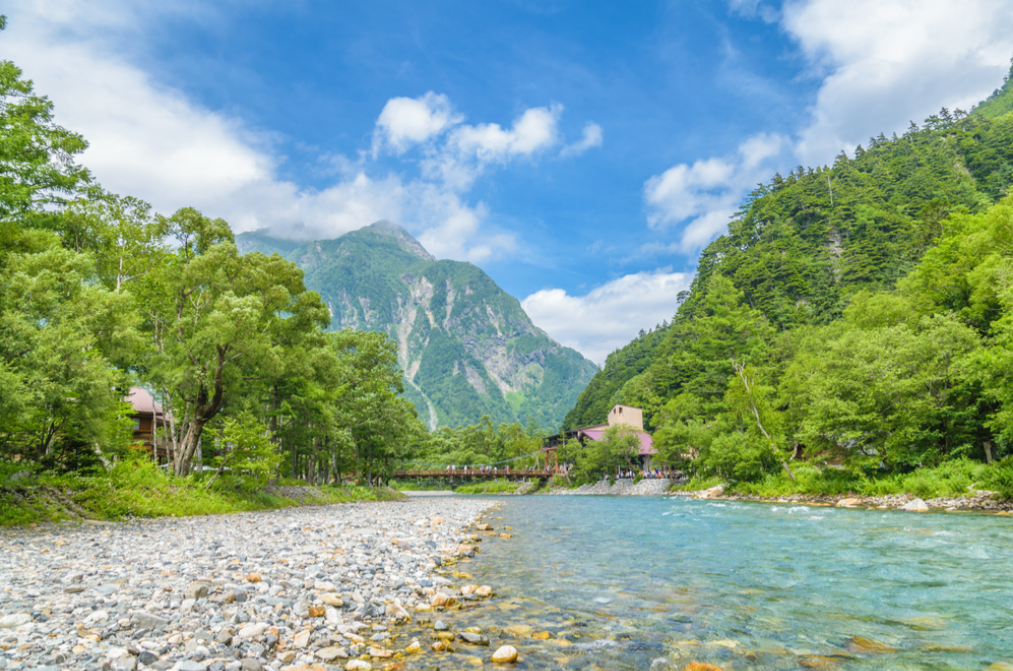
Although Kamikochi is located within the Japanese Alps, walking down the valley is not that tricky.
- Late April to mid-November (best time) – winter closed
- The flat valley loop will take 2-5 hours to complete.
- Entry is free, but private cars are not allowed – expect to pay a fee for entry to the valley by bus or taxi.
- Highlights: Taisho Pond, Kappa Bridge and Mt. Hotaka.
This is definitely one of the top one-day hikes in Japan for those who don’t want to spend much time hiking in the mountains.
4. Mount Tsukuba
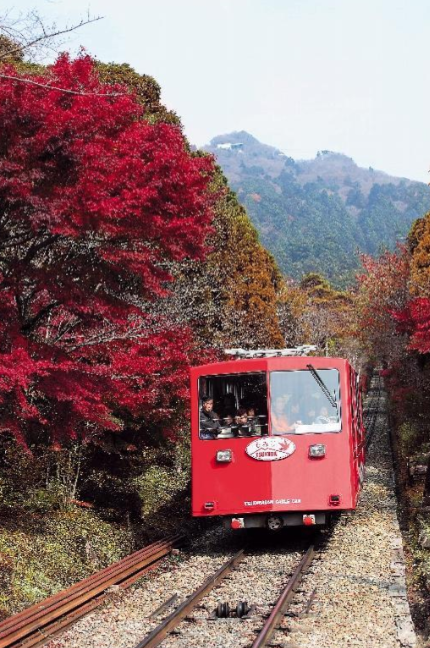
The route to the summit of Mount Tsukuba, from the Japanese Garden, is via the Twin Peaks and a ropeway shortcut. There are two peaks on Mount Tsukuba that are connected by a ridge trail, located northeast of Tokyo.
- Access: Approximately 90 minutes by bus or train from Tokyo.
- Time needed: 3-4 hours
- Ticket price: The ticket price for a ropeway or cable car is approximately ¥1,000–1,300 (one way)
5. Mt. Mikama, Kyushu, Japan
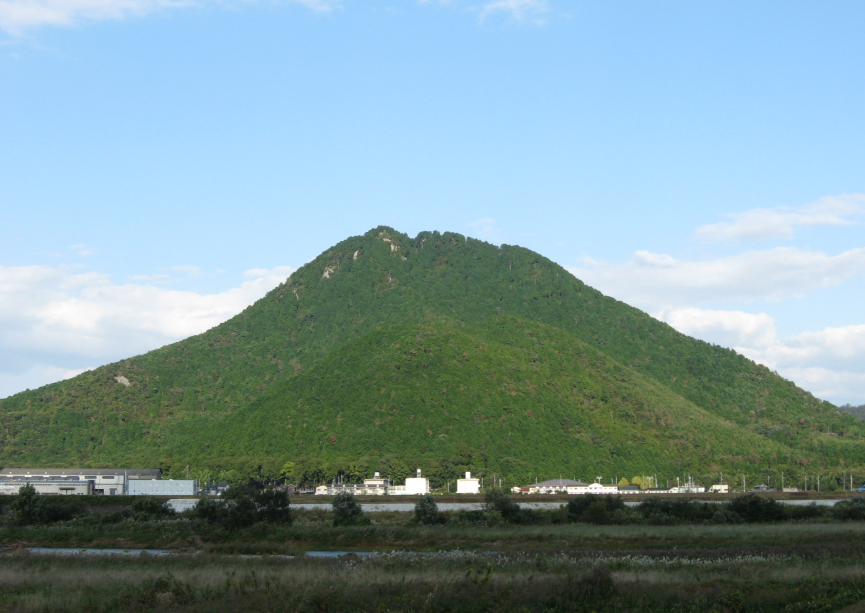
Best for: Mountain enthusiasts who don’t like winter conditions.
Group size: Small (2 to 4 people) to large (5 to 8 people)
Highlights: Most trails are snow-free; surrounding towns are beautiful.
For those who like mountain trekking but avoid icy or dangerous climbs, this range is ideal, as most of it is snow-free in winter.
6. Daisetsuzan National Park (Hokkaido)
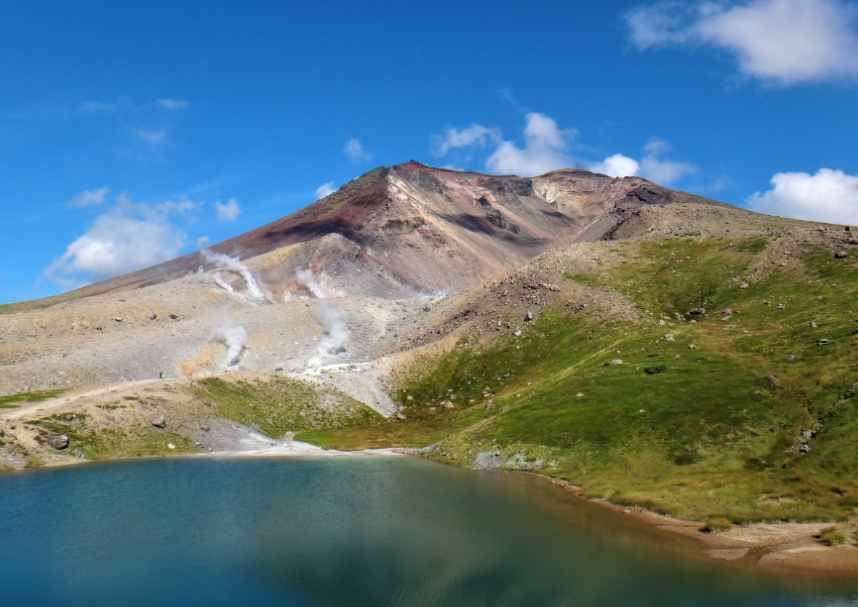
Ideal in the backcountry for skiing and snowboarding, and for dramatic winter scenes.
To enlist: 35 to 40 years of age
Highlights: Mt. Asahi (Japan’s highest peak in Hokkaido), some of the most spectacular winter views in Japan.
When the snow comes, it’s a lot of fun in this park; the main attraction and goal is Mt. Asahi. Therefore, this is one of the best places to hike in Japan.
The major features are panoramic views in clear skies, visits to the shrines and seasonal flowers. The ideal time to hike during the day is around midday.
Best Time to Hike
- Spring – March-May (Cherry Blossom Season): Mild weather, moderate crowds and cherry blossom season.
- Autumn – (October-November): The weather is cool, visibility is at its best, and foliage is at its most vibrant.
- Summer – Hot and humid at low levels; higher trails such as Kamikochi stay cooler.
- Cold season – Many trails on the higher mountains are closed, but lower mountains such as Takao are open all year round.
To ensure you are safe before your trip, here are some tips to consider:
- Start early. Trails and cable cars tend to close in the late afternoon.
- Check the weather forecast the night before, not in the morning.
- Bring more water than you think you’ll need.
- Make sure you are wearing appropriate footwear for the trail, even on “easy” trails!
- Share your route with someone and tell them when you are expected to be back.
- Download maps offline – valleys are likely to have signal drops.
To reach the trailheads, follow the signs.
- The majority of the most recommended one-day hikes in Japan can only be reached by train and bus:
- Purchase a rail pass for the region and ride the trains to the trails during the week.
- IC cards (Suica or Pasmo) are used to pay for trains, buses and even vending machines on the mountain.
- Most often, cash and IC cards are accepted at cable car and ropeway stations.
Travellers’ recommendations
- Take a light lunch (mountain restaurants are available, but may be crowded).
- Take cash with you for smaller shrine shops and rural bus fares.
- Wear multiple layers of clothing, even during the summer season (due to a drop in temperature with the increase in altitude).
- If you are on a trail that involves a shrine, make sure that you respect the shrine’s rules.
Conclusion
Spring is not the only time to enjoy the mountains in Japan; you don’t have to plan for weeks to do so. A day is all that’s needed for the best one-day hikes in Japan, which include Takao, Mitake, Kamikochi and Tsukuba. Choose a season, observe the weather and then proceed.
