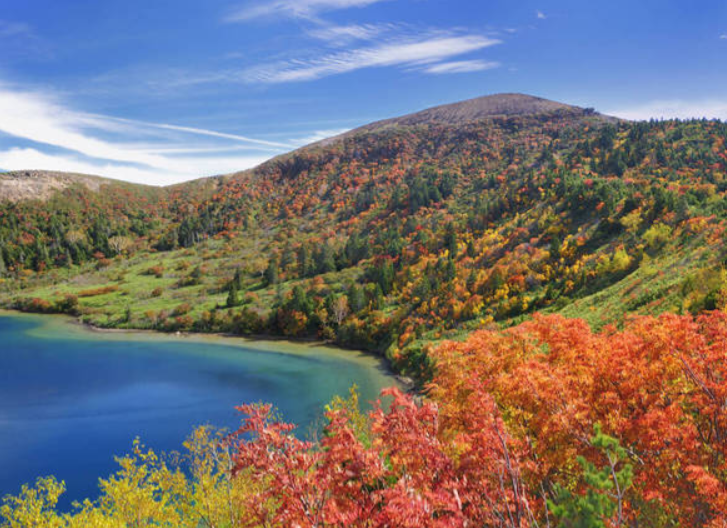
A series of volcanic ponds lies along the foot of Mount Bandai in Fukushima Prefecture. The trail is also known as the Goshikinuma. It means something like “five-colored marshes”, and this is indeed a frequent overstatement. The lakes range from blue and green to emerald. Even rusty copper in colour because of mineral deposits, algae, and varying water depths. The Goshikinuma trail is not a difficult climb to the summit, but is considered an easy walk for almost everyone. For exploring other mountain routes in Japan, the Subashiri Trail offers a different experience on the slopes of Mount Fuji.
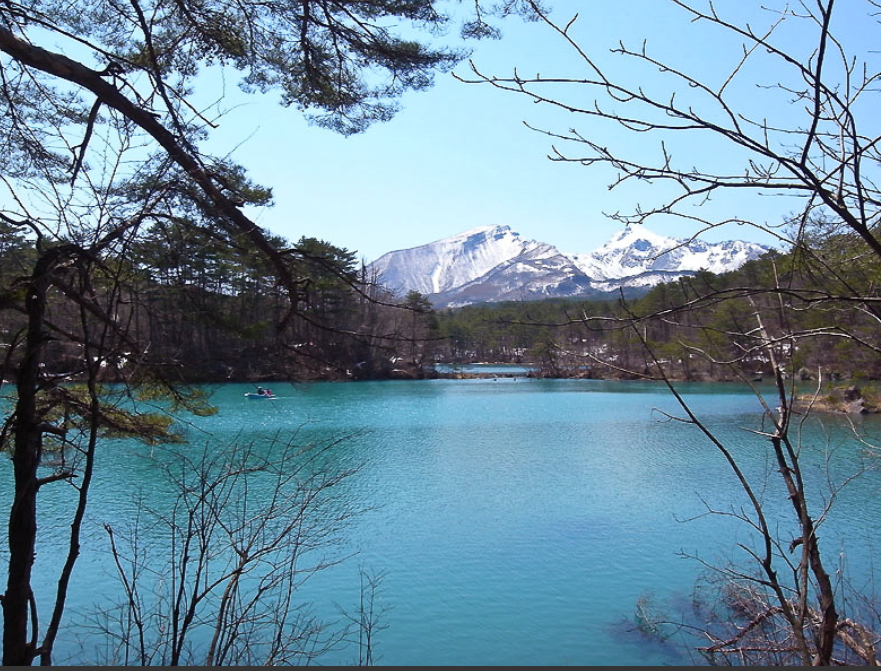
Table of Contents
Creation of Colourful Lakes
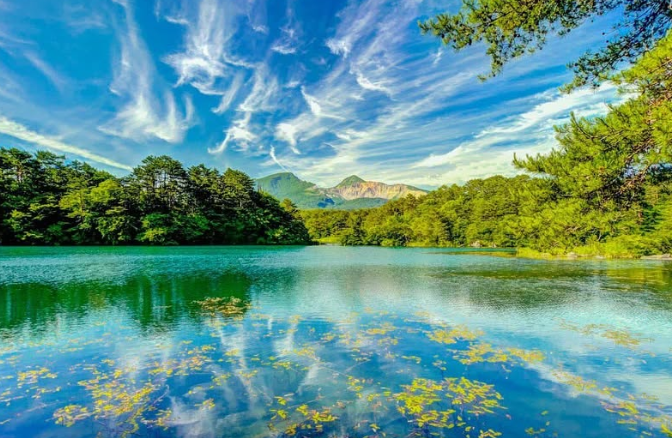
This landscape can be attributed directly to the catastrophic eruption of Mt. Bandai in 1888. During this time, a large landslide blocked a number of rivers. The resulting lowlands were filled in by water over time. The leaching of the volcanic minerals (iron and sulfur) into these pools created different colours in each lake, depending on the amount of the minerals and the depth of the lake.
How to Plan This Walk?
The trail is open all year, but is subject to change depending on the conditions. During the springtime (usually April through May), the snow melts, and new greenery is starting to emerge along the lakeshore. Ponds are said to be at their most brightly colored when sunlight does a lot with the mineral content in the water in the summer months, especially June through August.
October and early November are probably the time of the year when the most photographs are taken on the Goshikinuma trail, as the red and gold colours of autumn are brilliantly reflected across the lake surfaces. The trail is walkable in winter; however, when the snow falls and the conditions are icy, sturdier footwear and extra caution are recommended.
Grasp the Layout of the Trail
Typically, the Goshikinuma trail is hiked from end to end between two main access points. Its length is about 3.6 km, and if you go at a relaxed speed, you should take about 60 to 90 minutes. This sometimes takes longer if you make a stop for some photography.
Bandai-kogen Station side: This is commonly used as the starting point. There is convenient parking and a bus stop close by.
The other end of the trail, the Goshikinuma-iriguchi side, is frequently the ending point. If there is no desire for a return trip, then a return route may be arranged by bus.
The Goshikinuma trail is predominantly flat and easy walking. However, it is a popular choice for families, senior visitors, and leisurely walkers who may not be looking for a hike.
Getting Ready for the Walk
This is one of the easier trails to take up. Although it is not a full volcanic summit hike. Sports shoes that are comfortable with a good grip are advised, as some areas may become uneven or slightly muddy after rain. There are also suggestions to stretch lightly before leaving, especially if you are going to continue to a nearby ascent to Mount Bandai itself.
It is also recommended that visitors take frequent breaks. There are numerous opportunities to take photos on the Goshikinuma trail. The walk may be rushed if they don’t stop and take in what they have found.
What to Include in the Bags?
- This walk is fairly light, but there are some must-haves to consider:
- Relaxed and closed-toe walking shoes
- A light jacket as temperatures around the lakes can be cooler than in other areas.
- Sunscreen and hat (especially in summer)
- A reusable water bottle to drink from.
- A camera or a smartphone, taking into account the unique photo opportunities,
- Insect repellent – particularly in warm weather
- In case of a longer break, there is a small snack available.
- Rain gear is also a good idea to bring along, as it is not unusual to see rainfall
A Step-By-Step Stroll Along the Trail
The route is gradual and takes you through each lake one by one with unique characteristics.
Bishamonuma is frequently the first large lake seen on entering the Bandai-kogen. It is very deep blue. It is one of the most distinctive colours on the trail. Sometimes there are rentals on the water here.
Turning left, smaller ponds like Akanuma are seen, with a reddish-brown colour due to the deposits of iron oxide. This part of the Goshikinuma trail is sometimes featured as one of the less typical stops. The colour differs significantly from that of the rest of the trail (which is blue and green).
Further along are Midoronuma and Ruriruma, where you’ll find vibrant green and turquoise colours. Boardwalks and viewing platforms are set up at multiple locations here to enable safe stops while maintaining a low impact on the area’s vegetation.
In the final section, Bendenuma can be seen, considered to be one of the most photogenic lakes on the entire journey, especially in autumn when the colours of the leaves enhance the reflection on the lake surface.
The path finally ends close to Goshikinuma-iriguchi, where transportation is offered for those not walking back home.
Enjoy What is Provided
The Goshikinuma trail is relatively short and thus often used in conjunction with other activities in the region. A trip down to nearby Lake Inawashiro is usually included, and for the more physically demanding, a hike up Mount Bandai. With several local guest houses, there are also onsen facilities nearby, so it is also a popular choice for overnight stays by visitors from outside the area.
Early morning or late afternoon may be the best times to visit, as lighting during these hours has been reported as ideal for capturing the full colours of the lake.
Safety concerns to Consider
While not as strenuous as a route to the mountain peaks, there are a number of precautions to be taken on the Goshikinuma route.
Always use boardwalks and marked paths; vegetation is protected around these.
When there are wet or icy areas, they should be taken with care, especially in cold weather.
There should be enough water taken, although the walk is rather short.
Bears have been seen in this area on a few occasions, and care needs to be taken and caution exercised, especially outside peak visiting times, regarding the presence of this animal.
An Arboretum that Tells a Story
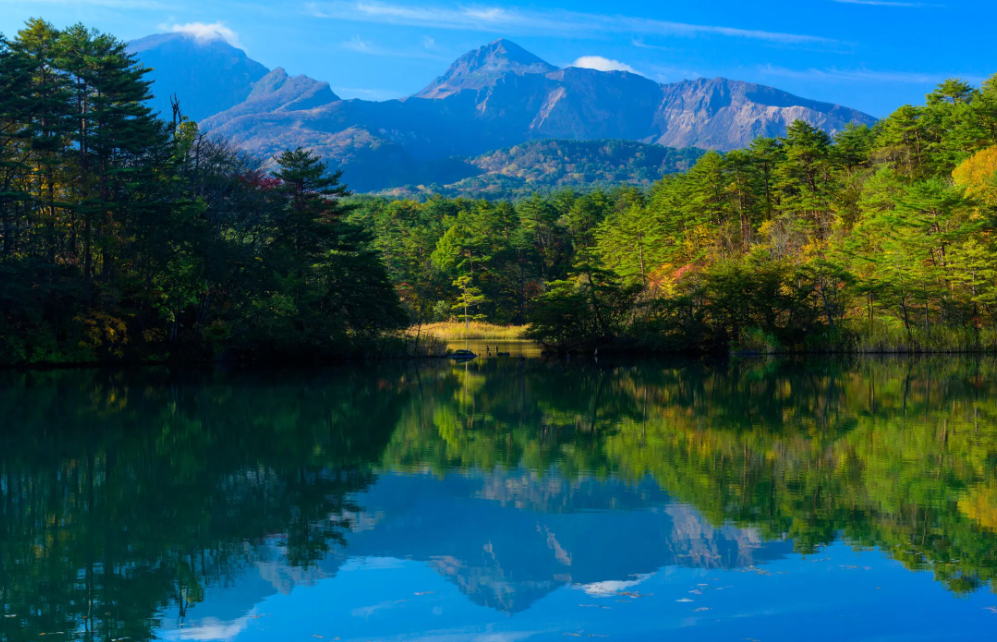
The beauty of the Goshikinuma trail is not the only thing that makes it memorable; it’s the story that is hidden within it. The lakes each remind us of the volcanic activity that re-formed this area over 100 years ago, and what is left is among the most peaceful and picturesque nature trails in Japan.
The trail is a unique experience, combining accessibility, geological history and natural colour within an easy and relaxed afternoon.

1 thought on “The Goshikinuma Trail: Walking Among Japan’s Five-Colored Lakes”