Japan is famous for its rich culture, beautiful traditions and amazing Japanese clothing. Among all these traditional Japanese clothes, the kimono is one of the most recognized dresses of the country. Many people who often visit Japan wonder how much a kimono costs in Japan. If you want to wear a kimono for a day, you can rent one, or if you want to purchase a high quality traditional outfit, knowing the price beforehand helps you plan your budget perfectly.
In this article, we will explain how much a kimono costs in Japan. We will explain kimono prices, different types of kimonos, their rental costs and the main factors that affect the price. By the end, you will have a clear idea of how much you have to spend if you want to rent or buy a kimono in Japan.
Table of Contents
Understanding the Importance of Kimonos
Before discussing how much a kimono costs in Japan, it is helpful to understand why kimonos are so special in Japan. A kimono is a traditional Japanese outfit that people have been wearing for hundreds of years. It is made with long sleeves and is wrapped around the body then tied with a wide belt called obi. People wear kimonos during festivals, weddings, tea ceremonies and other special occasions. Today kimonos are still an important part of Japanese culture and tradition.
How Much Does a Kimono Cost in Japan for Rentals?
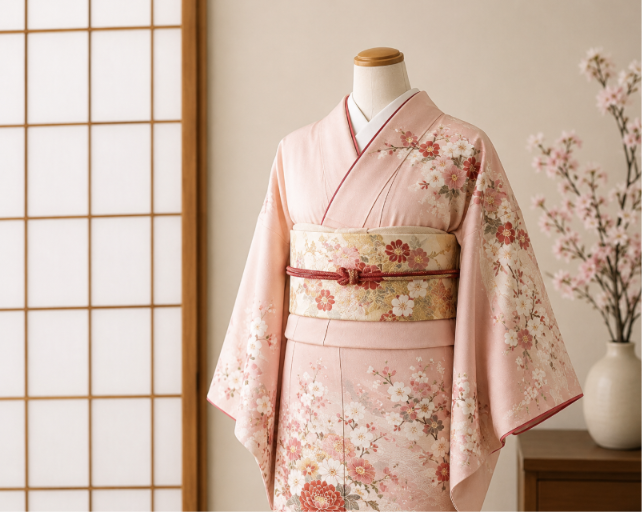
Many tourists prefer renting a kimono instead of buying it because renting allows visitors to enjoy the traditional experience without spending a large amount of money.
If you want to wear a kimono for a day, renting one is usually the most affordable option. Most kimono rental packages include the kimono, obi belt, basic accessories and dressing assistance.
A basic kimono rental usually costs around ¥3,000 to ¥5,000, which is approximately $19 to $31. Standard rental packages generally range from ¥5,000 to ¥8,000, which is around $31 to $52. If you choose a premium kimono, the rental cost is usually ¥8,000 to ¥15,000, which is about $49 to $93. Luxury kimono rentals can cost more than ¥15,000 (over $95) depending on the design, fabric and accessories used.
Popular tourist destinations like Kyoto, Tokyo and Osaka have many kimono rental shops with different prices. If you simply want to wear a kimono to take some photos and enjoy a traditional Japanese experience, renting is the best and most budget-friendly choice. When travelers ask how much a kimono costs in Japan, rental prices are usually the most affordable option for experiencing traditional Japanese culture.
How Much Does a Kimono Cost in Japan for Buying?
The price of a kimono in Japan can vary greatly depending on its quality, material, and craftsmanship.
Budget kimono – ¥10,000–¥30,000 ($60–$190)
Mid-Range Kimono – ¥30,000–¥100,000 ($190–$630)
High-Quality Kimono – ¥100,000–¥500,000 ($630–$3,150)
Luxury Handmade Kimono – ¥500,000–¥1,000,000+ ($3,150–$6,300+)
Many first-time buyers are surprised by the high range of prices. This is because some kimos are carefully handmade using traditional techniques and high quality fabrics which require a lot of time, skill and hard work to create.
If you are looking for a more affordable option, then second-hand kimonos are also available in Japan. A basic second-hand kimono can cost around ¥500 to ¥5,000, which is $3 to $52. For better quality second-hand kimonos, prices range between ¥5,000 and ¥20,000, approximately $52 to $209. Some vintage second-hand kimonos may cost from ¥20,000 to ¥50,000, which is around $209 to $524 or more. Understanding how much a kimono costs in Japan helps buyers choose between budget, mid-range, and luxury kimonos.
Factors That Affect Kimono Prices
To fully understand how much a kimono costs in Japan, it is important to know what factors affect the price.
Fabric Quality
The fabric is one of the biggest factors affecting the cost. Common materials include cotton, silk, polyester and linen. Kimonos made with cotton and polyester are usually suitable for casual wear, whereas kimonos made with silk are more expensive because silk is a premium material.
Handcrafted Designs
Many traditional kimonos feature beautifully hand-painted designs or special dyeing patterns. The more detailed and unique the item, the more expensive the kimono. Some handmade kimonos take weeks or even months to create, which is why they cost much more than machine-made kimonos.
New or Second-Hand Kimono
New kimonos usually cost more than second-hand ones. If you are on a budget, then buying a second-hand kimono can be a great option. Many second-hand kimono shops in Japan sell beautiful kimonos which are still in very good condition for much lower prices than new ones.
Types of Kimonos and Their Costs
To better understand how much a kimono costs in Japan, it is also helpful to know about the different types of kimonos.
Yukata
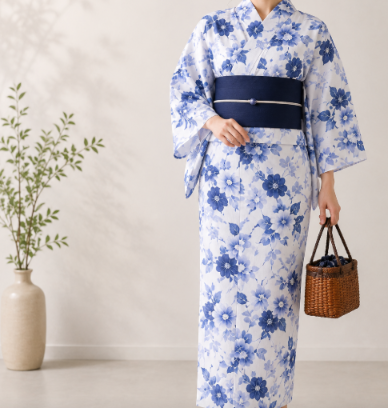
A yukata is a summer kimono that is commonly used during festivals. It is one of the most affordable kimono types. A new yukata usually costs from around ¥3,000 to ¥15,000, which is about $21 to $103, while rentals are around ¥2,000 to ¥5,000, which is about $14 to $34.
Komon
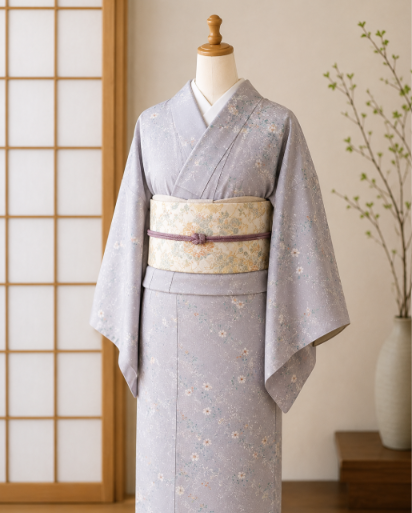
A komon is a casual kimono with repeating patterns, making it a popular choice for everyday wear. Prices usually range from ¥20,000 to ¥80,000, which is $125 to $502.
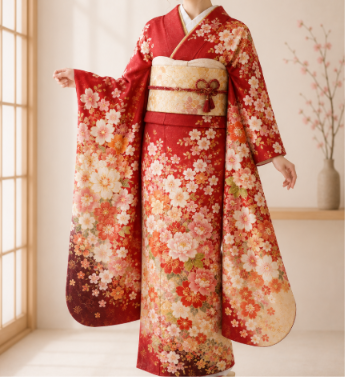
Furisode
A furisode is a formal kimono with long sleeves that unmarried women mostly wear during special occasions. It costs around ¥100,000 to ¥1,000,000, which is $630 to $6,300.
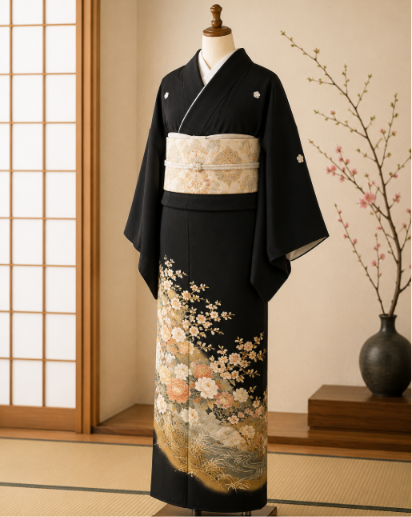
Tomesode
A tomesode is a formal kimono that married women wear at weddings and important events. It costs from ¥80,000 to ¥500,000, which is approximately $500 to $3,150 or more.
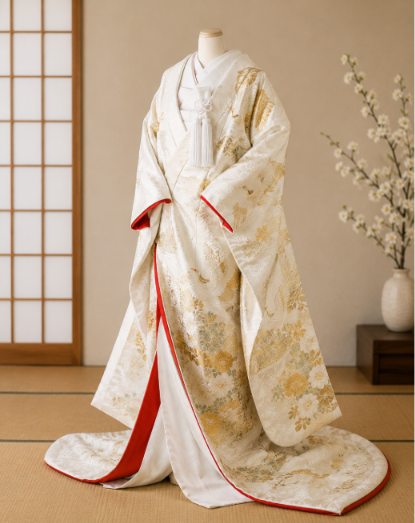
Wedding Kimono
Traditional wedding kimonos are the most expensive type. They cost around ¥300,000 to ¥2,000,000, which is $1,900 to $12,500 or more, because of their premium materials and detailed work.
Tips for Saving Money on a Kimono
If you are searching for how much a kimono costs in Japan, here are some tips you must know.
Buying a second-hand kimono is a good option because many kimonos are in good condition and cost less than new ones. It is also a good idea to compare prices at different stores, since kimono prices can differ from place to place. If possible, visit the stores when shops offer discounts. If you are looking for a traditional Japanese outfit on a budget, a yukata is usually the most affordable choice.
Common Questions About Kimono Prices
Q. Can I Buy a Kimono for Under ¥10,000?
Ans. Yes, used kimonos and basic yukatas can be purchased for less than ¥10,000.
Q. Why Are Some Kimonos So Expensive?
Ans. Expensive kimonos are made with high-quality silk and handmade techniques by skilled craftsmen, which takes a lot of time to complete.
Q. Is Renting Better Than Buying?
Ans. One of the most common questions from tourists is how much a kimono costs in Japan compared to renting one. For short-term use, renting is usually considered the best option. For long-term use, buying is the best option.
Q. Are Used Kimonos Good Quality?
Ans. Yes, many second-hand kimonos in Japan are extremely well maintained and offer excellent quality for the price.
Conclusion
So how much does a kimono cost in Japan? The answer depends on the kimono type, the material, the quality, and whether you choose to rent or buy. Kimono rentals usually start from ¥3,000 (around $19), while luxury handmade kimonos can cost ¥1,000,000 or more (around $6,300 or more).
For most visitors, renting a kimono is the easiest and most affordable way to enjoy the experience. If you want to buy, there are many options for every budget, from affordable second-hand kimonos to high-quality handmade kimonos. Wearing a kimono is a special way to experience Japanese culture and traditions.
