
Most day-trippers to the Okutama mountains stop at Mount Mitake — the shrine, the village, the cable car. Fewer keep walking. Those who do are rewarded with Mount Odake, a 1,266-meter summit forty minutes to an hour along the ridge, where the crowds thin out, the trail turns wilder, and on clear days Mount Fuji floats on the horizon. A Mount Odake hike is the natural second step for anyone who has done Mitake and wants a fuller day: same easy access from Tokyo, but a noticeably more “real mountain” feel.
Let us clear up one thing first, because plenty of old blog posts get it wrong: Mount Odake is not Tokyo’s tallest mountain. That title belongs to Mount Kumotori at 2,017 meters, far to the west on the Yamanashi border. Odake is a mid-sized Okutama peak — and honestly, that is its charm. It delivers ridge walking, chains near the summit, and big views without demanding an expedition. This guide covers the route from Mitake, the longer traverse to Oku-Tama, honest difficulty notes, and what to carry.
Table of Contents
Quick Facts
| Item | Detail |
|---|---|
| Elevation | 1,266 m |
| Location | Okutama, western Tokyo — Chichibu-Tama-Kai National Park |
| Difficulty | Moderate (chains and ladders on the far traverse) |
| Typical time | ~2 hours from the Mitake cable car upper station to the Odake summit; 5–6 hours for the full traverse to Oku-Tama Station |
| Time | April to December |
| Access summary | Same as Mount Mitake: JR to Mitake Station, bus + cable car up, then walk the ridge |
Getting There
There is no separate “Odake trailhead station” — you reach Mount Odake through Mount Mitake. Take the JR Chuo and Ome lines from Shinjuku to JR Mitake Station (around 95 minutes, about ¥950 one way, covered by the JR Pass), then the bus to the cable car base at Takimoto (about 10 minutes, around ¥340), and the Mitake Tozan Railway cable car up (about 6 minutes; the current official fare is ¥700 one way / ¥1,400 round trip — older blogs quoting ¥590 are out of date).
From the cable car upper station, walk 20–30 minutes through the village to Musashi-Mitake Shrine, continue past the shrine toward the Rock Garden valley, and follow the ridge signs for Odake. From the upper station to the Odake summit takes most hikers around 2 hours at a comfortable pace, including the shrine and Rock Garden detours. Full access details, including the current cable car fare situation, are in our Mount Mitake trail guide.
If you plan the long traverse ending at Oku-Tama Station instead of returning to Mitake, check return train times before you set out — the Ome Line runs less frequently in the evening, and you do not want to rush the chains section.
Trailhead and Route Options
The Standard Route: Mitake to the Odake Summit
This is the Mount Odake hike most people do. From the cable car upper station, the first third of the walk — through the village to the shrine and into the Rock Garden — is on paved or well-maintained paths. Past the Rock Garden, the character changes: the trail narrows, climbs through proper forest, and the ridge walk to Odake begins. The final push to the summit has some rocky steps and short chain-assisted sections. Nothing extreme, but a clear step up from the Mitake village stroll.
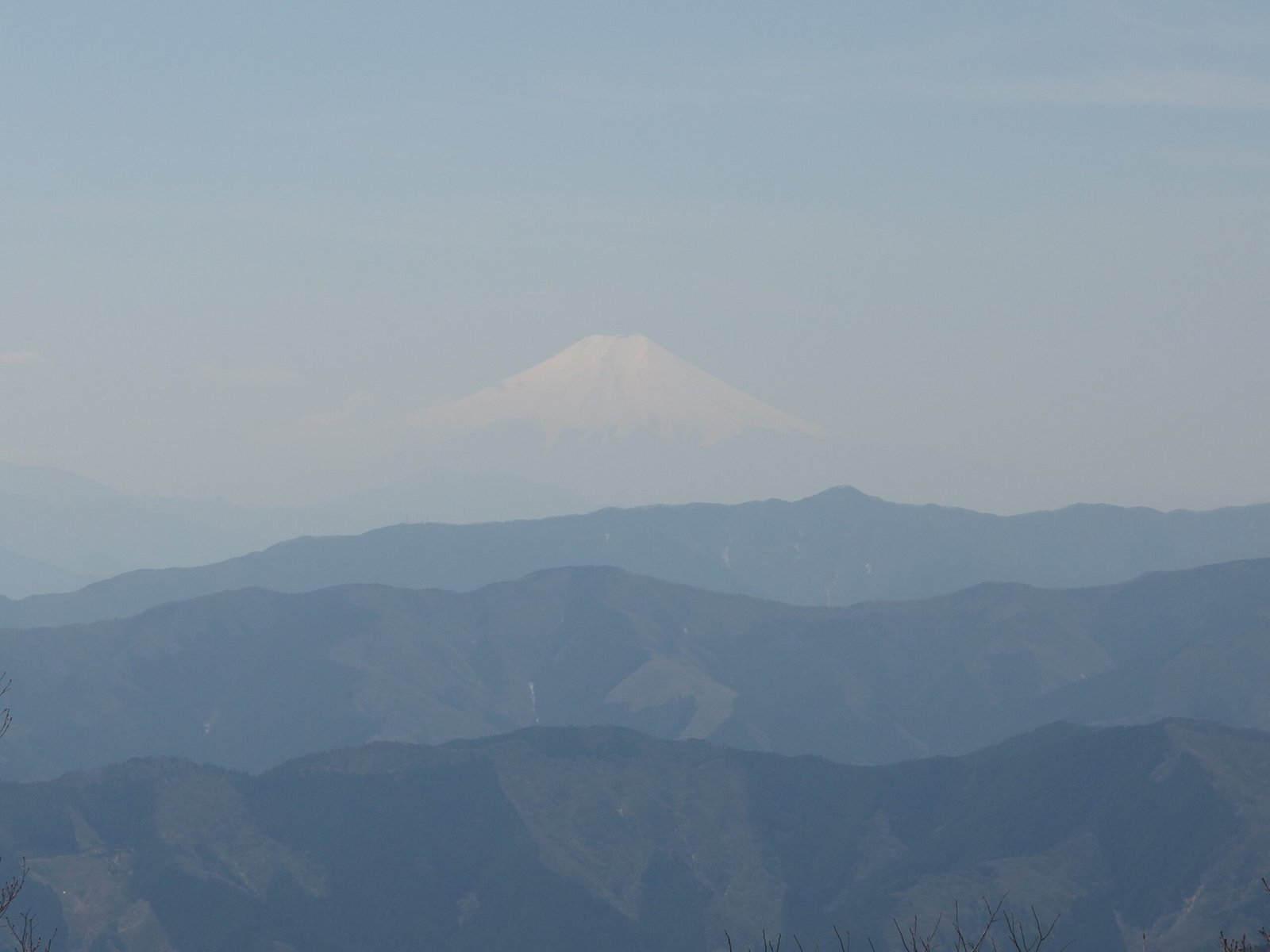
The summit itself is a modest, forested top with a small shrine and — on clear days — the payoff: Mount Fuji to the southwest and, looking east, the Tokyo skyline with the Skytree visible on the very clearest days. That contrast, Fuji one way and the world’s biggest city the other, is the signature Odake moment.
For the return, most hikers retrace the ridge to Mitake, which takes about 90 minutes back to the cable car upper station — downhill most of the way, with the Rock Garden as a pleasant second look in different light. If you are short on time, this out-and-back is the most efficient way to bag the summit: roughly 4 hours round trip from the cable car, sights included. The traverse to Oku-Tama is the bigger commitment and the better adventure, but there is no shame in the return leg — the ridge walks differently in reverse, and you will notice forest details you missed on the way up.
The Full Traverse: Odake to Nokogiri to Oku-Tama
Stronger hikers continue past the Odake summit along the ridge to Mount Nokogiri and down to Oku-Tama Station. This turns the day into a 5–6 hour traverse with a wilder second half: chains and ladders on the far side of Odake, steeper descents, and far fewer people. It is the best “big day out” in the near-Tokyo mountains short of Kumotori. Our Mitake to Odake traverse guide covers the first half in detail; treat the Nokogiri extension as a serious addition, not an afterthought, and carry a headlamp in the shorter days of autumn.
How Hard Is It, Honestly?
Moderate. The Mitake-to-Odake ridge is a genuine hike, not a walk: sustained climbing, uneven footing, and chain-assisted rocks near the summit. A reasonably fit beginner can do it — the route is well-marked and there are no exposed scrambles — but it will feel like work, especially the final 30 minutes. The Nokogiri traverse extension pushes into moderate-plus territory with its ladders and long descent. If Mitake alone felt easy and you finished wanting more, Odake is exactly the right next step. If the station-to-summit climb on Mitake already tested you, save Odake for a fitter day.
Seasonal Notes
The practical season runs April to December. Spring brings the ridge back to life with new green; summer is cooler than the city but humid, with the forest canopy giving welcome shade; autumn is peak season for foliage and crowds on the Mitake side (the Odake ridge itself stays calmer). Winter is the caution zone: snow and ice settle on the ridge and the chain sections, and this is not a route to attempt in winter conditions without proper gear and experience. If you are visiting Tokyo in winter and want a mountain day, Mount Takao is the safer cold-season pick — see where both rank on our best one-day hikes in Japan list.
What to Pack
- Grippy footwear: trail shoes or hiking boots. The mossy Rock Garden section and the rocky summit approach punish smooth soles.
- Gloves: light work gloves make the chain sections far more comfortable, especially in cool weather.
- Rain gear and layers: the ridge is exposed in places and weather moves fast.
- Water and food: eat in the Mitake village before setting out — there is nothing to buy between the shrine area and Oku-Tama.
- Headlamp: essential if you are attempting the Nokogiri traverse, non-negotiable in autumn’s short afternoons.
- Cash: for the cable car, bus, and village shops.
Where to Stay
Like Mitake, Odake works perfectly as a day trip from Tokyo. The most atmospheric option is a shukubo pilgrim lodge in the Mitake village — stay the night, start at dawn, and have the ridge to yourself for the first hour. Otherwise, Ome has business hotels at the base, and the whole route is easily doable on a day return from Shinjuku if you catch a morning train.
Our Tips: What We’d Tell a Friend
- Go past the Rock Garden. Most visitors turn around at the valley. The ridge to Odake starts right there, and the trail quality of your day doubles the moment the crowds thin.
- Time the summit for late morning. Fuji views are clearest before afternoon haze builds. That means leaving the cable car upper station by 9:30 am at the latest.
- Do the chains slowly and deliberately. They look more dramatic than they are — three points of contact, gloves on, no rush. The people who struggle are the ones hurrying.
- Decide your endpoint at the summit. Returning to Mitake is the relaxed choice; pushing on to Nokogiri and Oku-Tama is the adventure. Make the call at the Odake summit based on your legs, the time, and the weather — not at the trailhead based on ambition.
- Check the last train from Oku-Tama. If you take the long traverse, the Ome Line’s evening frequency is sparse. Missing the connection turns a great day into a long wait on a rural platform.
- Bring a map or offline GPS. The ridge junctions past the Rock Garden are signposted, but having the route on your phone removes all doubt at the one or two forks where the “obvious” path is not the right one.
Mount Odake FAQs
Is Mount Odake really Tokyo’s tallest mountain?
No — and it is worth correcting because the claim appears in older posts. Tokyo’s highest peak is Mount Kumotori at 2,017 meters on the western border with Yamanashi. Odake, at 1,266 meters, is a mid-sized Okutama summit. It is a better day hike than Kumotori for most people precisely because it is smaller.
Can you actually see Mount Fuji from the summit?
Yes, on clear days — Fuji sits to the southwest and is unmistakable when the air is clean. Mornings are your best bet; by mid-afternoon haze often softens the view. On the very clearest days you can also pick out the Tokyo Skytree looking east, which makes Odake one of the few summits where Japan’s most famous mountain and its biggest city share a panorama.
How long does it take to get from Mitake to the Odake summit?
Around 2 hours from the cable car upper station at a comfortable pace, including the village walk, the shrine, and the Rock Garden detour. Fast hikers skipping the sights can do it quicker, but the sights are the point.
What are the chains and ladders past Odake like?
The traverse toward Mount Nokogiri includes short chain-assisted rock sections and a few ladders on the descent side. They are straightforward for anyone comfortable with basic scrambling — gloves and slow, deliberate movement are all it takes. In wet or icy conditions they become genuinely slippery, which is why we rate the full traverse as moderate-plus and advise against it in winter without proper equipment.
Can a beginner hike Mount Odake?
A fit beginner, yes — the standard Mitake-to-Odake route is well-marked with no technical climbing. But “beginner” should mean someone comfortable walking uphill for a few hours. If you have never hiked at all, do the Mitake shrine and Rock Garden first; if that felt easy, come back for Odake.
Where does the trail go after the Odake summit?
The ridge continues to Mount Nokogiri and descends to Oku-Tama Station — a 5–6 hour full traverse from the Mitake side. Alternatively, retrace your steps to Mitake and ride the cable car down. Both are good days; the traverse is the bigger adventure.
The Bottom Line
A Mount Odake hike is what a Tokyo mountain day trip grows up into: the culture and convenience of Mitake, plus a real ridge, a wilder summit, and Fuji on the horizon. Start from our Mount Mitake guide for the access details, walk past where the crowds stop, and you will understand why the ridge regulars keep coming back.
