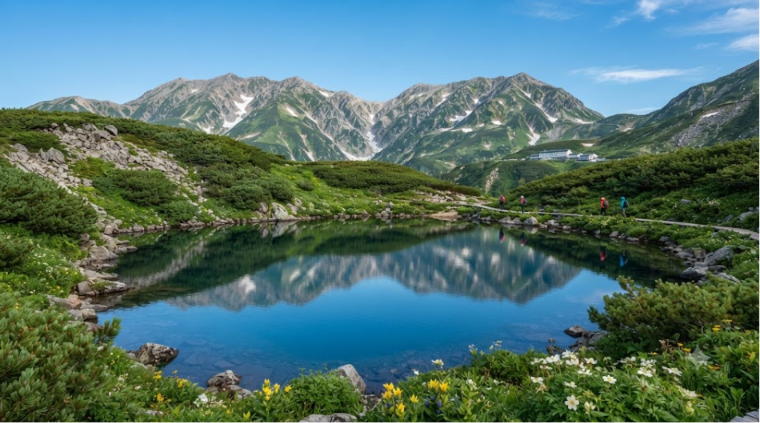
The Tateyama Kurobe Alpine Route is also a very popular journey for people who want to visit Japan. In fact, this Route is one of the most beautiful mountain places in Japan. It is so famous for its big mountains, huge snow walls, clear lakes, cable cars, ropeways and amazing views.
This hike is not like other journeys. There are also several ways to climb the mountain, such as using different types of transport. As a result, this makes the trip fun and easy for families, couples, solo travelers and for older people too.
Table of Contents
- Where Is the Tateyama Kurobe Alpine Route?
- Why Is the Tateyama Kurobe Alpine Route So Famous?
- Major Attractions Along the Route
- Tateyama Kurobe Alpine Route
- Can You Travel in the Opposite Direction?
- Plan Your Tateyama Kurobe Alpine Route Trip
- The Snow Corridor (Yuki no Otani)
- Best Time to Visit the Alpine Route
- How We Would Plan the Alpine Route
Beautiful Reflection at Mikurigaike Pond
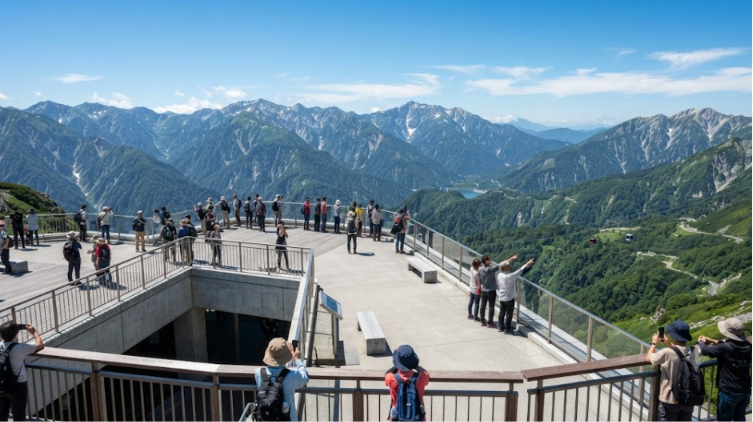
Panoramic Views from Daikanbo Observatory
This journey is 37 kilometers, which is 23 miles long. Mostly, it takes about 6 to 8 hours to travel from one end to the other. There are some places in the journey where you can stop and take pictures because the views are amazing.
Therefore, this guide will help you understand the route, so you will know what to expect on your trip. As a result, you can plan your trip more confidently.
Where Is the Tateyama Kurobe Alpine Route?
The Tateyama Kurobe Alpine Route is in central Japan. Specifically, it connects the Toyama and Nagano regions.
There are two main starting points for the route. On the one hand, you can start at Tateyama Station on the Toyama side, and on the other hand, you can start at Ogizawa Station on the Nagano side.
You can choose either route according to your convenience. Many travelers choose to start from Toyama because they can see the famous Snow Wall on their trip. In fact, the Snow Wall is a huge wall of snow you can see along the route. It is also one of the most famous sights on the Tateyama Kurobe Alpine Route.
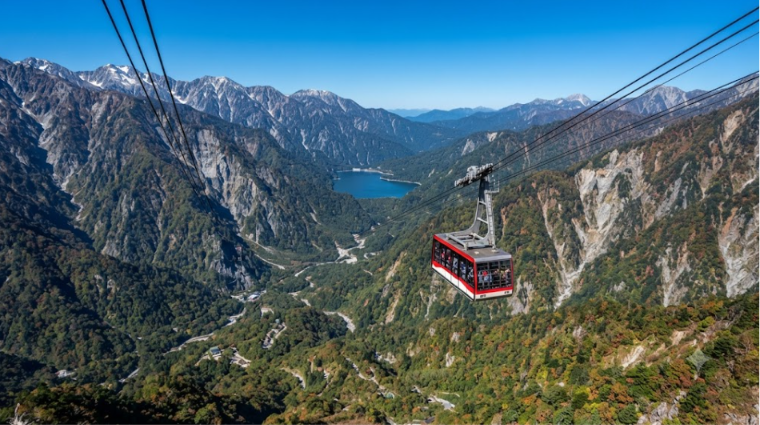
Scenic Ride Above Mountain Valleys
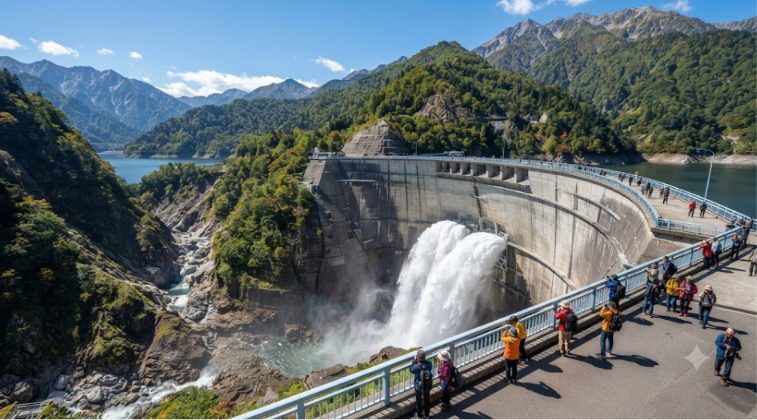
Japan’s Tallest Dam: Spectacular View
Why Is the Tateyama Kurobe Alpine Route So Famous?
Many people from all over the world come to visit the Tateyama Kurobe Alpine Route every year because there are many beautiful things to see and enjoy.
Some of the best things to see are the famous Snow Wall, beautiful mountains, Kurobe Dam, and a high ropeway with no support towers. You can also see pretty flowers, clear lakes and amazing hiking paths.
In autumn the mountains become full of beautiful colors. In summer the weather is cool and nice. This route is one of the best places in Japan to enjoy nature and the mountain views.
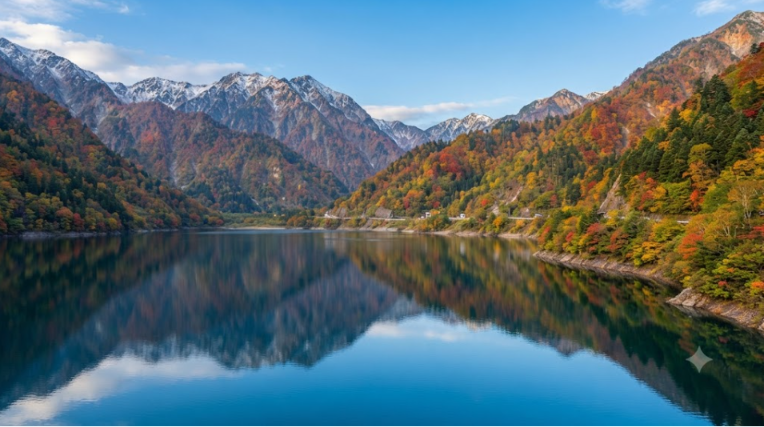
Peaceful Lake Among Mountain Peaks
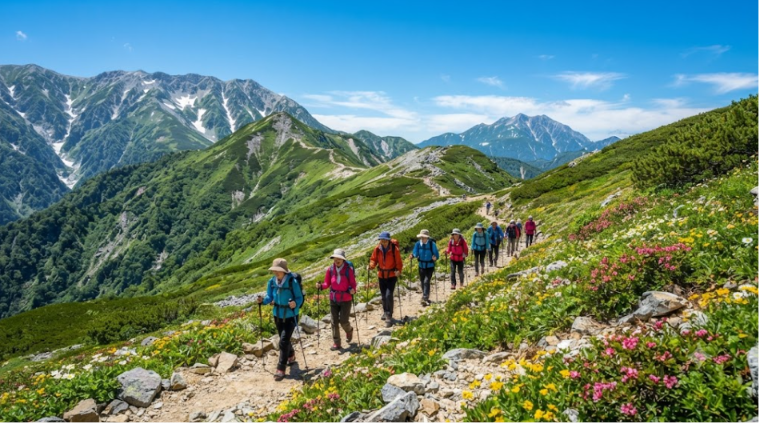
Summer Hiking Through Alpine Landscapes
Major Attractions Along the Route
There are some beautiful places you can see on this journey. They are:
Tateyama Station
This is the place where many visitors start their trip. From here you can use the cable car and go up into the mountains.
Murodo
Murodo is the highest point on the route. It is about 2,450 meters above sea level. There are many beautiful things to see here such as the famous Snow Wall, Mikurigaike Pond, hiking paths, pretty alpine flowers and amazing mountain views.
Mikurigaike Pond
This is a beautiful volcanic pond. During summer, the blue water and the green mountains make this place look very beautiful. As a result, it has become one of the most beautiful spots.
Daikanbo
This is a very beautiful place where you can take photos and enjoy the amazing views. It is considered the best place to take pictures.
Kurobe Dam
Kurobe Dam is the tallest dam in Japan. From June to October, the water flows down from the dam. This is also a very beautiful and exciting view.
Visitors can walk across the dam, enjoy the views from the viewing areas, take a sightseeing boat, and learn about the dam’s history.
Kurobe Lake
Kurobe Lake is a quiet and beautiful lake surrounded by mountains. In autumn the trees change into bright colors. In bright light, you can see the reflection of the mountains on the clear water.
Similarly, if you want to enjoy more amazing views, then check out the Yakushima Jomon Sugi Trail
Tateyama Kurobe Alpine Route
| Route | Transportation | Time |
|---|---|---|
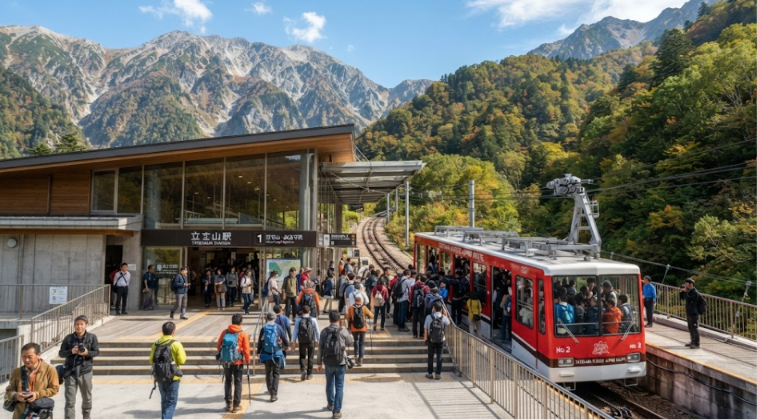
| Tateyama Station → Bijodaira | Cable Car | 7 min |
| Bijodaira → Murodo | Highland Bus | 50 min |
| Murodo → Daikanbo | Tunnel Electric Bus | 10 min |
| Daikanbo → Kurobedaira | Ropeway | 7 min |
| Kurobedaira → Kurobeko | Cable Car | 5 min |
| Kurobeko → Kurobe Dam | Walk | 15 min |
| Kurobe Dam → Ogizawa Station | Tunnel Electric Bus | 16 min |
Can You Travel in the Opposite Direction?
You can also start from Ogizawa Station and travel to Tateyama Station. But many visitors like to start from Tateyama because they can see the famous Snow Wall at Murodo early in the trip.
This is one of the easiest and most popular ways to enjoy the Tateyama Kurobe Alpine Route in one day.
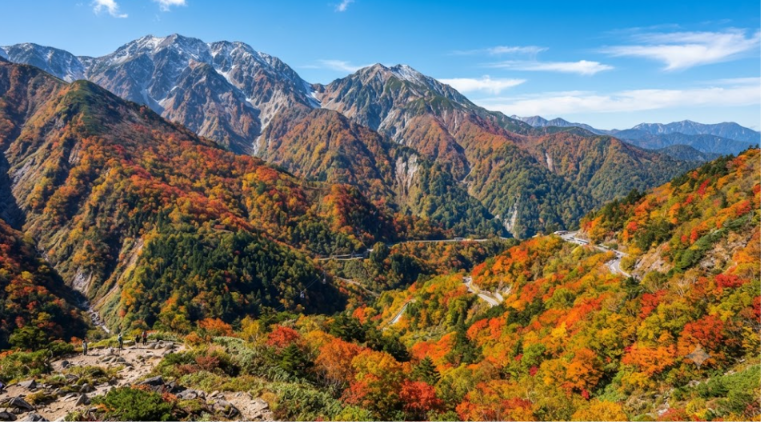
Colorful Autumn Mountains in Japan
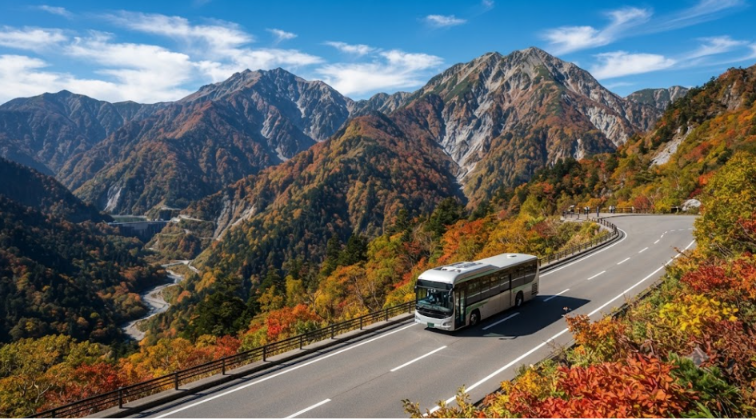
Comfortable Electric Bus Mountain Journey
Plan Your Tateyama Kurobe Alpine Route Trip
The Tateyama Kurobe Alpine Route is one of the most beautiful mountain trips in Japan. You can see amazing views in every season.
It has the famous Snow Wall, the ropeway, and the big Kurobe Dam. You can visit in spring to see the snow, come in summer to enjoy hiking, or visit in autumn to see the colorful trees. If you want to know more about hiking, this guide to Mount Kita will help you.
Plan your trip properly and don’t miss out on seeing all the amazing things. Enjoy the beautiful mountains and have a wonderful trip.
The Snow Corridor (Yuki no Otani)
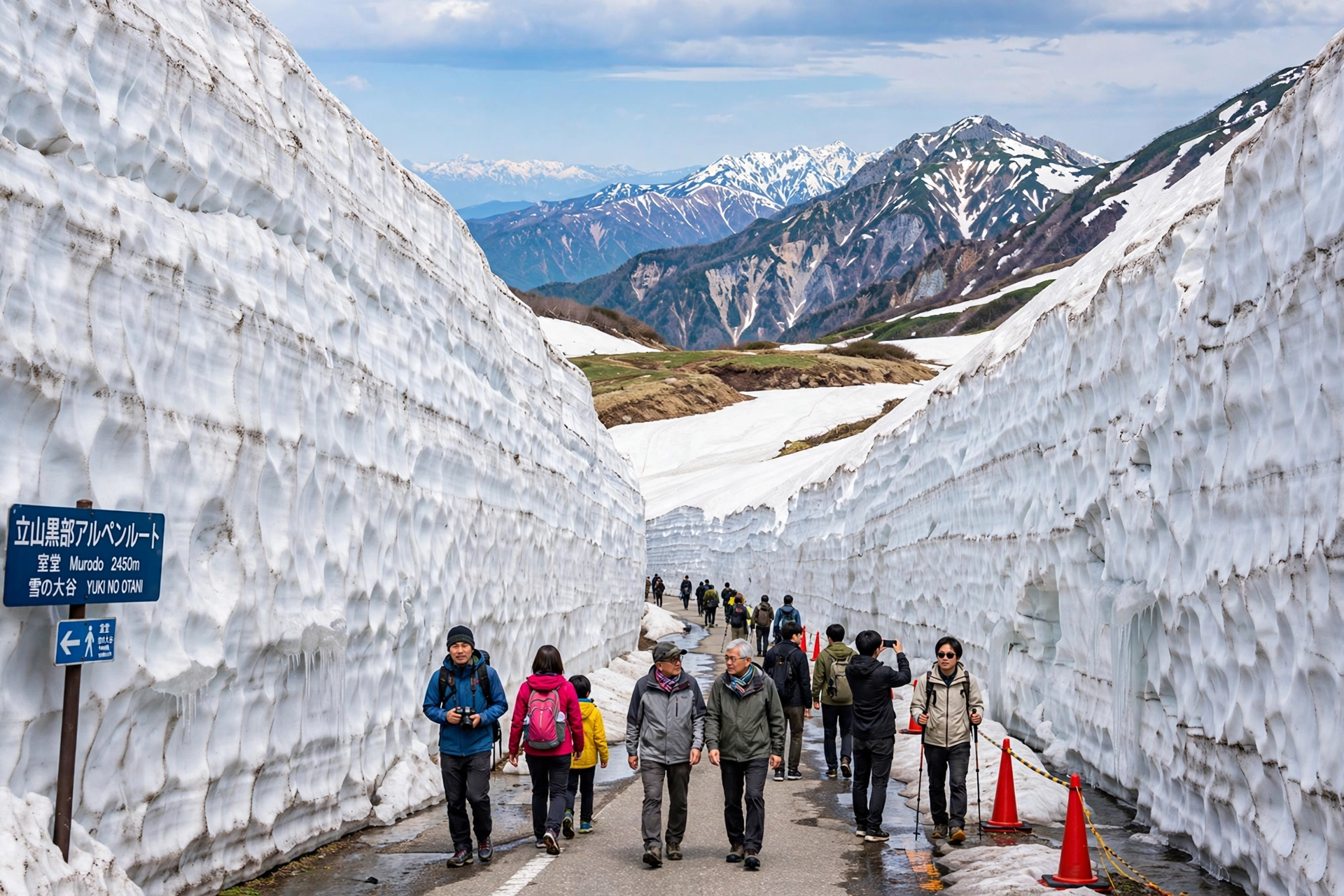
The Tateyama Kurobe Alpine Route’s most iconic sight is the Yuki no Otani, or Snow Corridor. Each spring, plows carve a road through snowpack reaching 20 metres deep near Murodo, creating towering white walls that dwarf the buses passing between them. The corridor typically opens in mid-April and remains walkable through late June, with the walls at their highest in the first weeks.
Walking the 500-metre pedestrian section between the walls is the definitive Alpine Route experience. Arrive early in the day to avoid crowds, and dress warmly — temperatures at Murodo hover near freezing even in May.
Best Time to Visit the Alpine Route
The route operates from mid-April to late November, and each season offers a distinct character. April to June brings the snow corridor and lingering snowfields. July and August open the highland flower meadows around Murodo and Mikurigaike Pond. September to October delivers spectacular autumn colours, with the foliage descending the mountainsides in waves. November sees the first snows return.
For first-time visitors, late April to May combines the snow walls with manageable weather. Autumn colour seekers should target early to mid-October, though crowds peak on weekends.
How We Would Plan the Alpine Route
The route is one long chain of transfers, 37 km in about 6 to 8 hours, so we would plan around the connections, not the sights. We would start from the Toyama side at Tateyama Station, as most visitors do, so that the Snow Corridor at Murodo comes early in the day, and begin early to leave slack for the cable car, bus, ropeway and dam walk.
| Season | What we would aim for | Why |
|---|---|---|
| Late April to May | The Snow Corridor, about 500 m of walkable road between the walls | This guide says it opens in mid-April and stays walkable into late June, with the walls highest early on |
| July to August | The flower meadows around Murodo and Mikurigaike Pond | The highland is in bloom and the weather is cool |
| Early to mid-October | Autumn colour | Colour descends the mountainsides, but weekend crowds peak |
Whatever the season, we would pack warm layers, since temperatures at Murodo hover near freezing even in May, and check the operating dates, which run from mid-April to late November. For other high-country ideas, see our Mount Kita guide, our Mount Hakusan guide and the Yakushima Jomon Sugi Trail guide.
