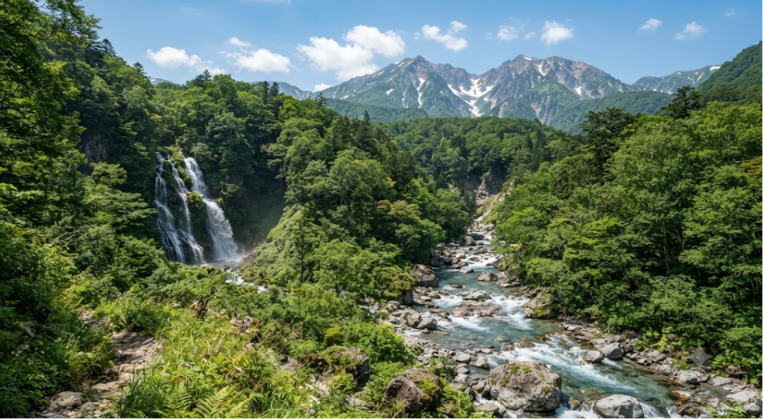
If you love nature or you want to explore more beautiful places in Japan then Mount Hakusan is a great place you need to visit. It is a peaceful hiking path with pretty flowers, beautiful lakes and it makes you feel calm with its amazing views. Mount Hakusan is one of Japan’s Three Sacred Mountains along with Mount Fuji and Mount Tate. People have been visiting this mountain for more than 1,000 years and experiencing its culture.
This Mount Hakusan Guide will help you learn about the mountain and plan your trip perfectly. There is no problem even if you are an experienced hiker or you are a beginner, you can enjoy the beautiful nature, fresh mountain air and the peaceful views at Mount Hakusan. It is a wonderful place to spend time in nature and make happy memories.
Table of Contents
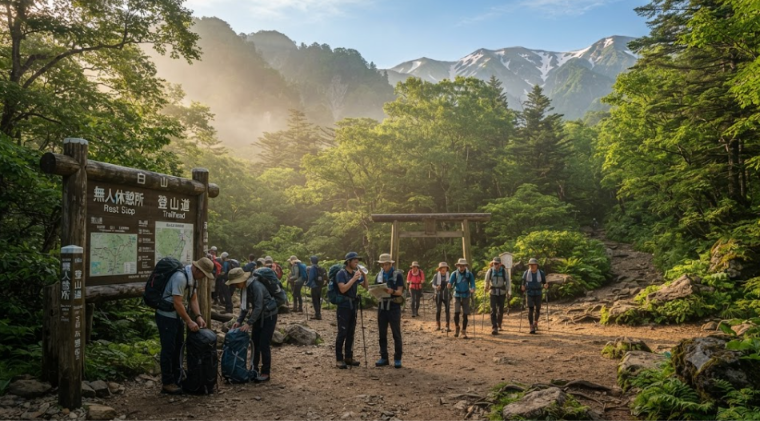
Amazing Summit Mountain Views Await
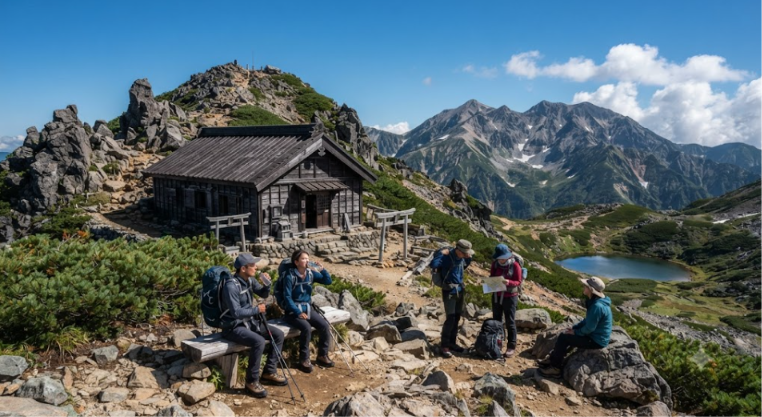
Traditional Mountain Hut For Hikers
As you go up the mountain you can see more beautiful views. You can see green mountains and beautiful natural scenery around you. At the top of the mountain you can enjoy 360-degree views of the mountains and the land around Mount Hakusan.
This route is a popular choice for both Japanese people and international hikers. It is a great way to enjoy the fresh air in the mountains by sitting and enjoying the beautiful nature and you will experience the peaceful feeling of Mount Hakusan. If you love this kind of hiking trail, then know about the Rishiri Island Hiking, which is also a great choice for you.
Other Hiking Routes
Bettodeai is the most popular way to climb Mount Hakusan as you read above, but there are also some other routes you can choose according to your comfort.
Some of the popular routes are Ichinose Route, Hirase Route and Kankakei Route. On these routes you need to travel for a long time and mostly there won’t be many people hiking these routes. If you choose these routes you will go through the peaceful forests, green areas and beautiful parts of Hakusan National Park.
Mostly experienced hikers choose these routes for longer trips. On these routes they can enjoy more time to admire the beautiful nature around Mount Hakusan.
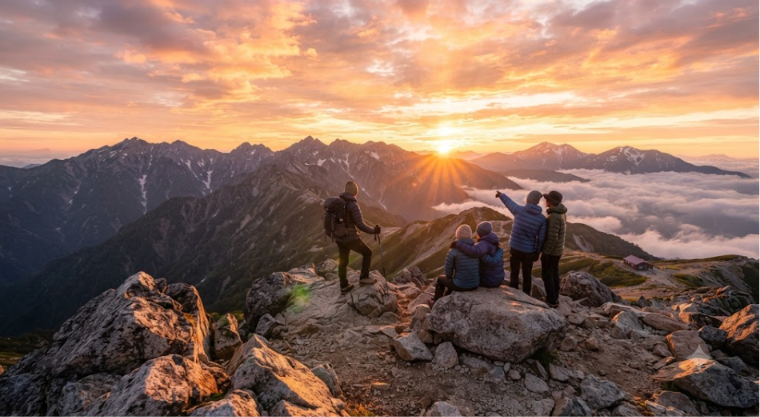
Golden Sunrise Above Mountain Peaks
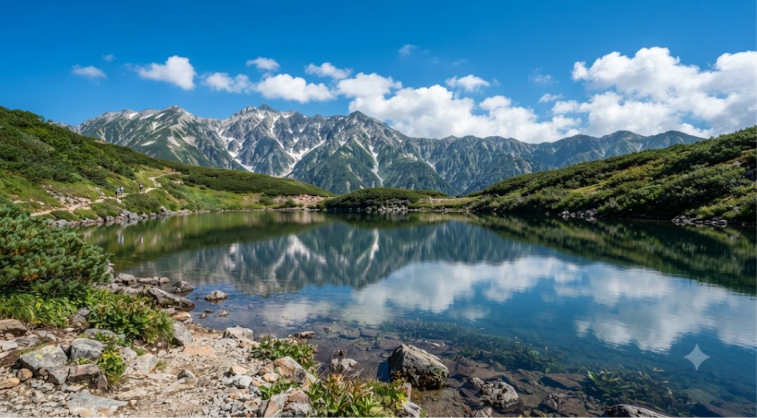
Crystal Lake Reflects Mountain Beauty
Every route is different and has something special in it. You may find beautiful trees, small rivers, flowers and amazing views along the way. If you have more time or you love to enjoy long hikes then these routes can be a nice way to see more of Mount Hakusan. But many people prefer the popular route mentioned above.
How Long Does It Take to Hike Mount Hakusan?
If you are planning to hike Mount Hakusan then it is good to keep one full day for hiking. Most people complete this hike in 8 to 10 hours and even return home the same day.
Some hikers like to stay for one night in a mountain hut near the top. This gives them time to enjoy the beautiful sunset in the evening. The next morning, they can wake up early and watch the sunrise before going back down.
If you want to explore the mountain slowly then you can complete this hike in 2 days by taking a rest at night in the mountain hut. You do not have to hurry as you get more time to enjoy the beautiful nature and views of Mount Hakusan.
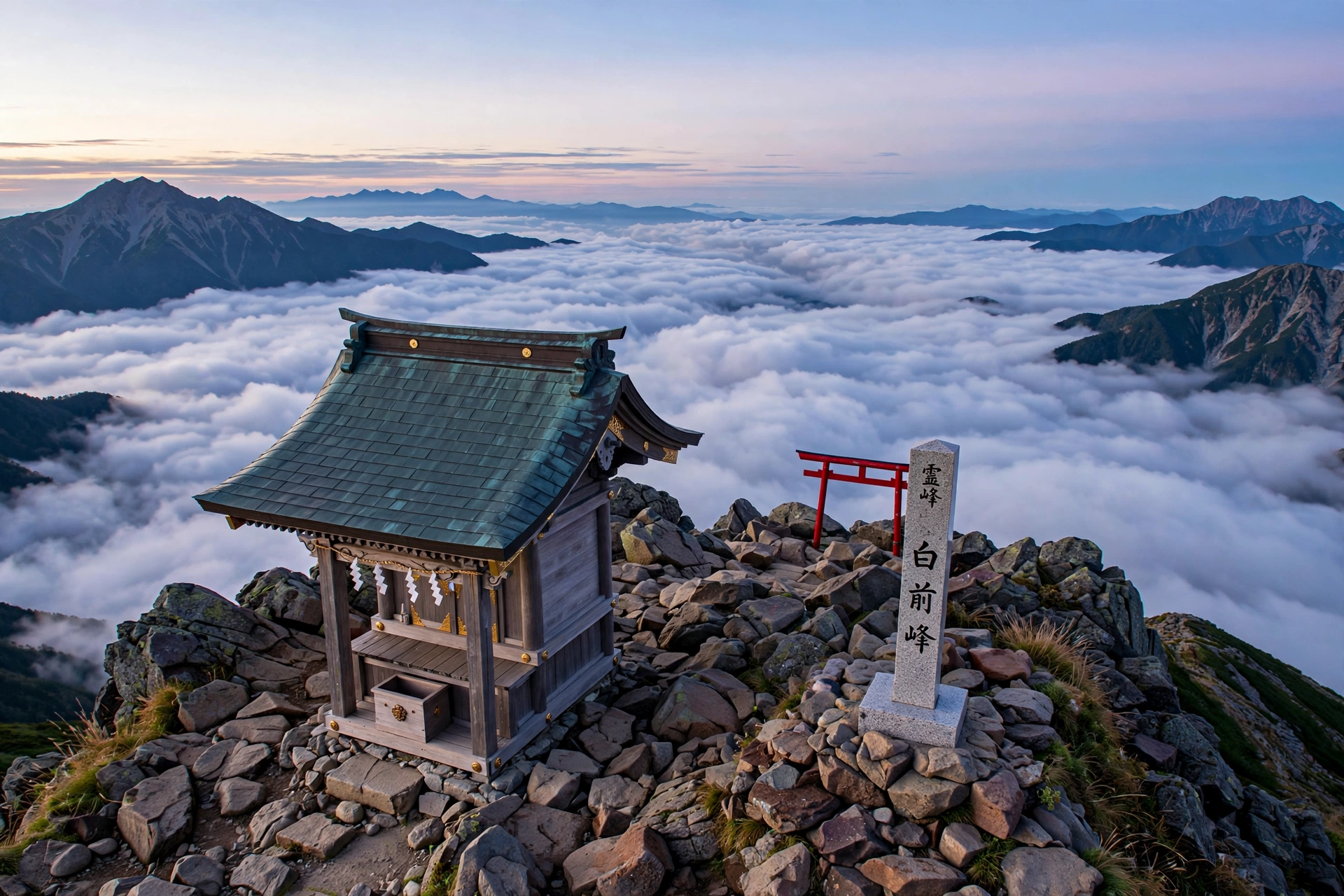
Peaceful Nature Around Mount Hakusan
Why Should You Visit Mount Hakusan?
Mount Hakusan is a beautiful place for people who love hiking and nature. In this journey you can see green forests, many colorful flowers, enjoy amazing views and stay in a mountain hut. There is something nice to enjoy at every part of the hike.
| Information | Details |
|---|---|
| Location | Ishikawa, Gifu, Fukui & Toyama, Japan |
| Elevation | 2,702 m (8,865 ft) |
| Best Time | July to September |
| Main Route | Bettodeai Trailhead |
| Difficulty | Moderate |
| Hiking Time | 8–10 hours (Round Trip) |
| Highlights | Alpine flowers, forests, lakes, mountain huts & summit views |
| Nearby Attractions | Hakusan National Park, hot springs, waterfalls & local villages |
You can complete the hike in one day or if you want to explore slowly then you can stay at the mountain hut for a night and continue to the next day. Before you go, don’t forget to check the weather and take the things you need with you. Start your hike early so you won’t be late and if there is still time you can explore the nearby places.
If you want to visit a beautiful and peaceful mountain in Japan then Mount Hakusan is a great choice. We hope this Mount Hakusan Guide helps you plan your trip and enjoy a happy and memorable time in the beautiful nature of Japan.
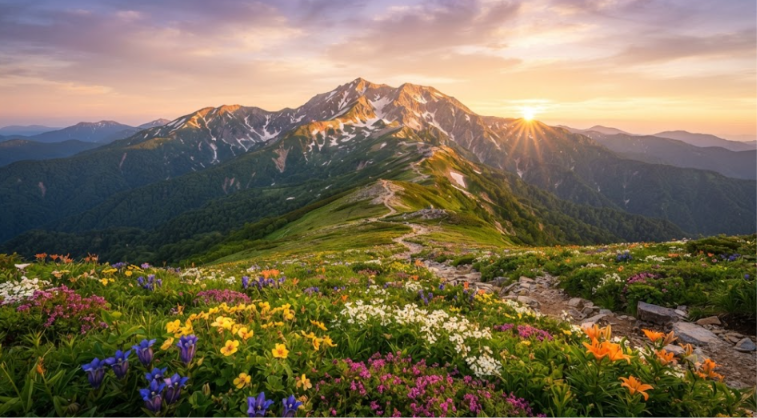
Experience Mount Hakusan Natural Beauty
⚠️ Hiking Caution
- Always check the weather forecast before starting your hike, as mountain conditions can change quickly.
- Carry enough water, food, and warm clothing, and stay on marked hiking trails at all times.
One of Japan’s Three Sacred Mountains
Mount Hakusan ranks alongside Mount Fuji and Mount Tateyama as one of Japan’s Three Sacred Mountains (Sanreizan). The monk Taicho opened the mountain for worship in 717 AD, establishing a tradition that has continued for over 1,300 years. The head shrine, Shirayama Hime Shrine in Ishikawa Prefecture, serves as the centre of Hakusan faith, with thousands of branch shrines across Japan.
The mountain’s religious significance shaped its trails. The main Betto Deai route follows a pilgrimage path used by worshippers for centuries, passing through the sacred gate before ascending to the summit shrines. Even hikers without religious intent walk a route layered with thirteen centuries of devotional history.
Alpine Flower Meadows
Hakusan’s high slopes host some of Japan’s finest alpine flower displays. From mid-July through August, the meadows around Murodo and the summit ridge bloom with Hakusan kozakura (primrose), chinguruma (aleutian avens), and dozens of other alpine species. The mountain’s heavy snowfall and short summer concentrate the flowering into an intense few weeks.
The flower season coincides with the most stable hiking weather, making July and August the optimal window for both blooms and summit views. Early morning starts are advisable, as afternoon cloud commonly obscures the peak.
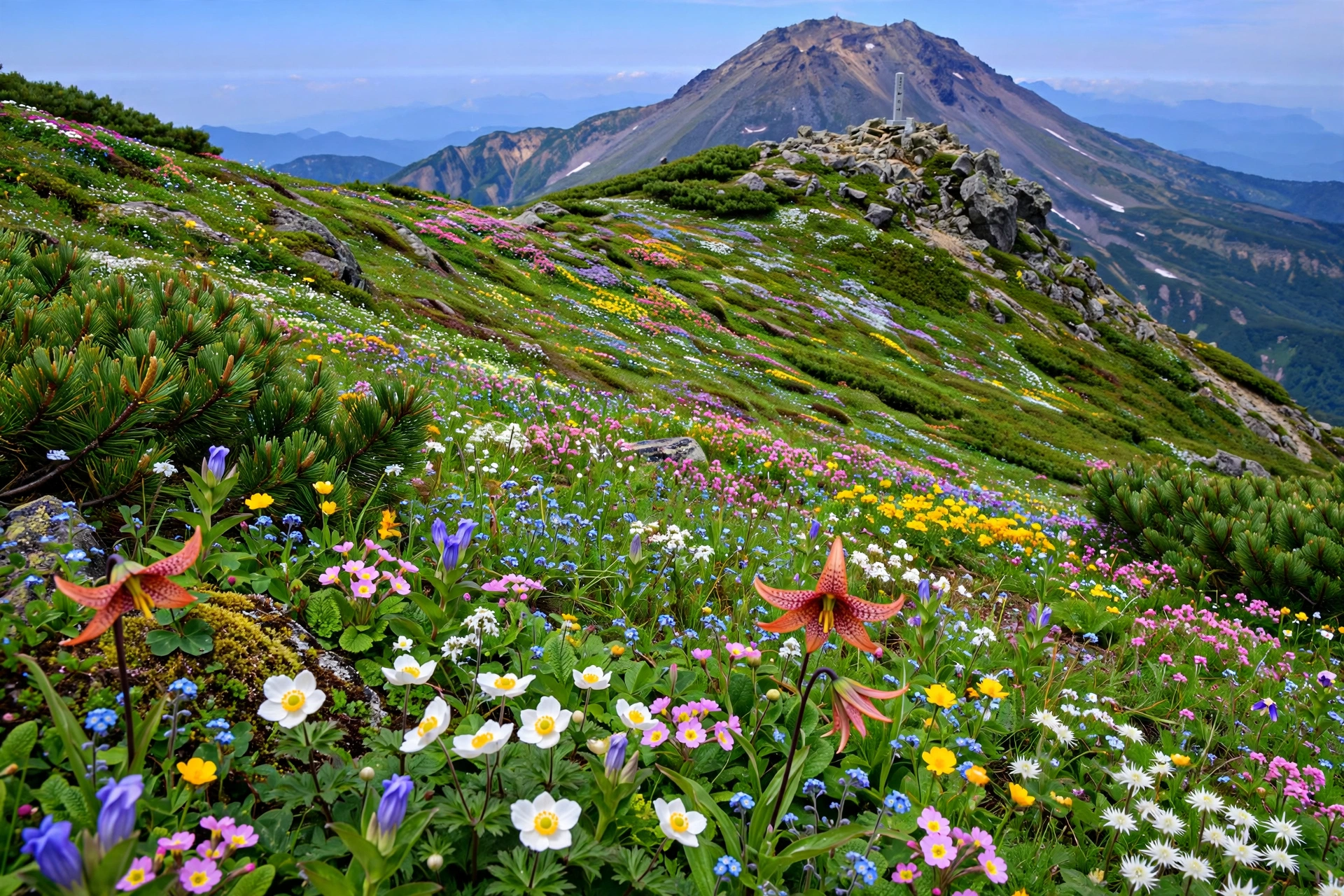
How We Would Plan a Hakusan Climb
Hakusan rewards a slower plan. This guide gives one day as 8 to 10 hours round trip, and while that is achievable, we would sleep in a mountain hut near the top for a first visit, which turns a long day into a sunset and a sunrise.
| Option | Time | We would choose it if you… |
|---|---|---|
| One day via the Bettodeai trailhead | 8–10 hours round trip | are fit, start early and want to be home the same day |
| Two days with a hut night | Two shorter days | want sunset and sunrise from the top and a gentler pace |
| Ichinose, Hirase or Kankakei routes | Longer trips | are experienced and want quieter trails through Hakusan National Park |
For timing, we would go between mid-July and August, when the guide describes the alpine flower meadows around Murodo and the summit ridge in bloom and the weather at its most stable. Whatever the date, we would start early, because the guide notes that afternoon cloud commonly hides the peak, and carry the water, food and warm clothing it recommends.
Hakusan is one of Japan’s Three Sacred Mountains, alongside Fuji and Tateyama, so you can compare the others in our Tateyama Kurobe guide and our guide to how hard Fuji is. For another remote island climb, see Rishiri Island.
