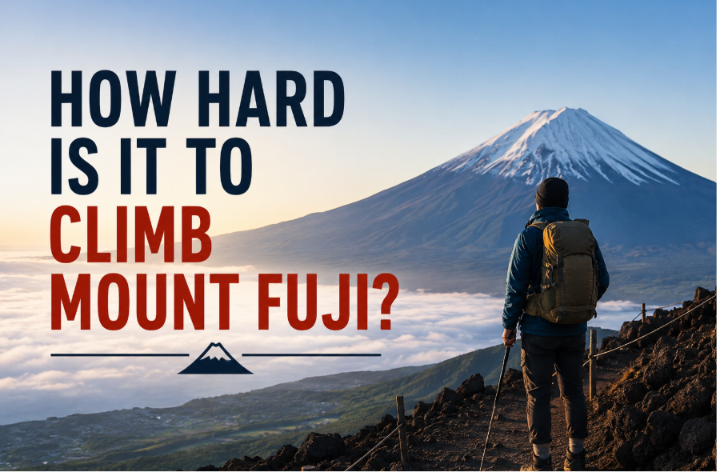
Mount Fuji is one of Japan’s most famous places and a perfect place for people who love hiking. Every year, thousands of people come to climb this beautiful mountain to watch the amazing sunrise from the top and to enjoy an unforgettable experience.
But before you plan your trip, you should think about how hard is it to climb Mount Fuji. The answer depends on your fitness level, how well you are prepared, the weather, and which hiking path you choose. You do not need any special climbing skills to hike the mountain, but it is still a long and challenging hike, so you should prepare for it before planning your trip.
In this guide you will learn how hard is it to climb Mount Fuji. You will understand the difficulty level, the fitness you need, the common challenges that most hikers face, the essential items to carry, important safety tips, and useful advice for first-time hikers.
Table of Contents
Understanding Mount Fuji’s Difficulty
Many people think that Mount Fuji is easy to hike because thousands of people come every year to climb this mountain, but that is not always true. It can be difficult if you don’t prepare for it.
How hard it is to climb Mount Fuji depends on your fitness level and your hiking experience. Mount Fuji is 3,776 meters which is 12,389 feet tall, which makes it the highest mountain in Japan. As you climb higher, there is less oxygen in the air, so breathing becomes more difficult.
You do not need ropes or special skills like rock climbing to hike Mount Fuji. But it is still a long and challenging hike, so you need good stamina, patience, and proper hiking gear.
For people who are healthy and well prepared, climbing Mount Fuji is challenging but definitely possible.
Why Many People Find Mount Fuji Challenging
There are several factors that make climbing Mount Fuji difficult.
Long Hiking Hours
Most people take 5 to 8 hours to climb Mount Fuji and 3 to 5 hours to come back down. That means you may spend 8 to 13 hours hiking.
Walking for so many hours will make you feel tired even if you are active and healthy.
High Altitude
As you climb higher, the oxygen in the air decreases, so breathing becomes more difficult. This can cause headaches, dizziness, tiredness, and shortness of breath.
These problems can happen to anyone even if you are healthy and fit.
Steep Volcanic Trails
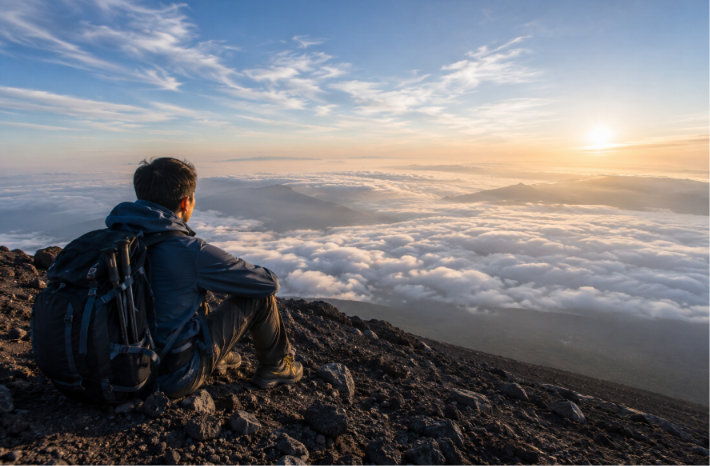
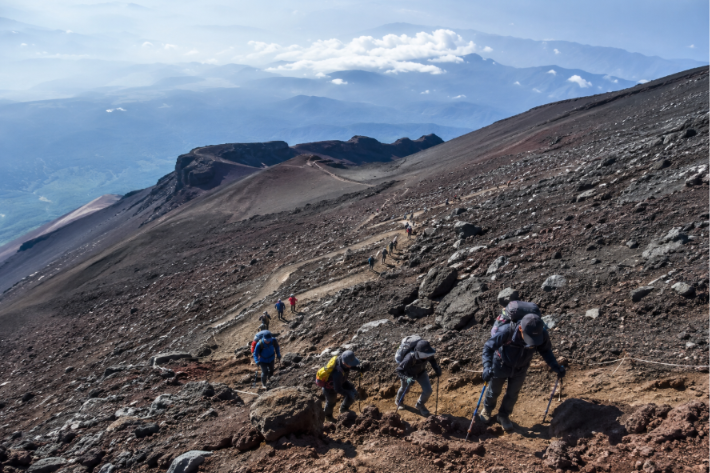
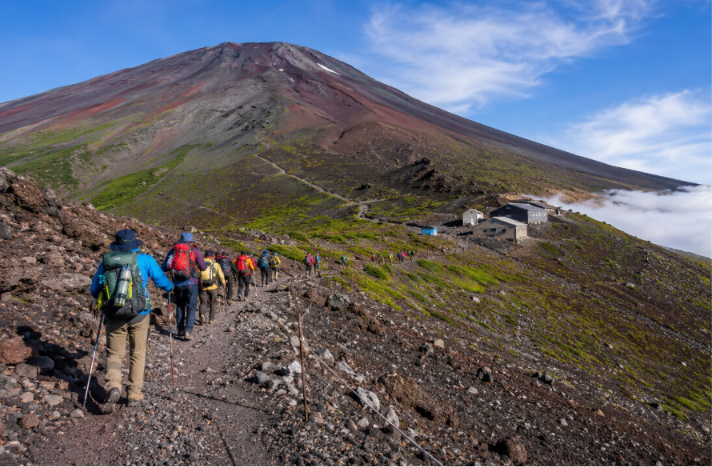
The trails on Mount Fuji are covered with volcanic rocks and uneven terrain. As you go higher and closer to the top, the trail becomes more difficult, so you need more effort and good balance.
Coming down can also be difficult because the volcanic rocks and small stones can make you slip and make it harder to walk.
Cold and Windy Weather
Even in summer, the temperature near the top of the mountain can drop to the freezing point before sunrise.
Strong winds can make you feel much colder than you expect, especially if you are climbing at night.
Fitness Level Required
Many first-time hikers wonder if they are fit enough to climb Mount Fuji.
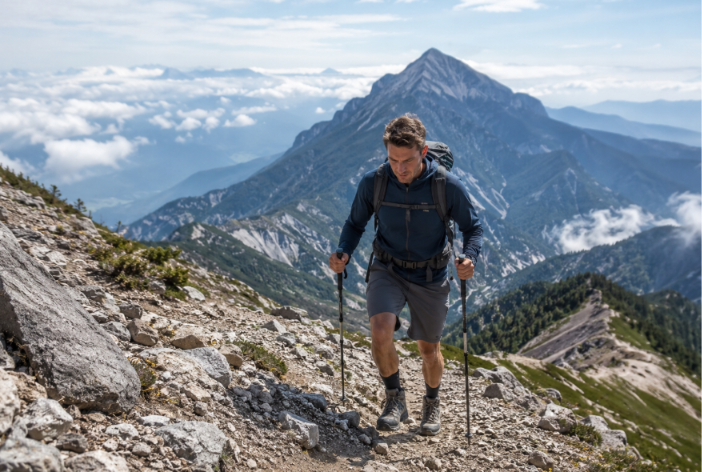
There is no need to be a professional hiker to climb Mount Fuji. If you can walk for a few hours, climb some stairs, and start walking for a few hours before your trip, it will become easier for you to climb Mount Fuji.
But if you don’t exercise properly, you may find the climb more difficult.
Training for a few weeks before your trip can make it easier for you. Walking a few kilometers regularly, climbing stairs, jogging, and hiking local hills will make your muscles strong and improve your fitness.
Which Route Is the Easiest?
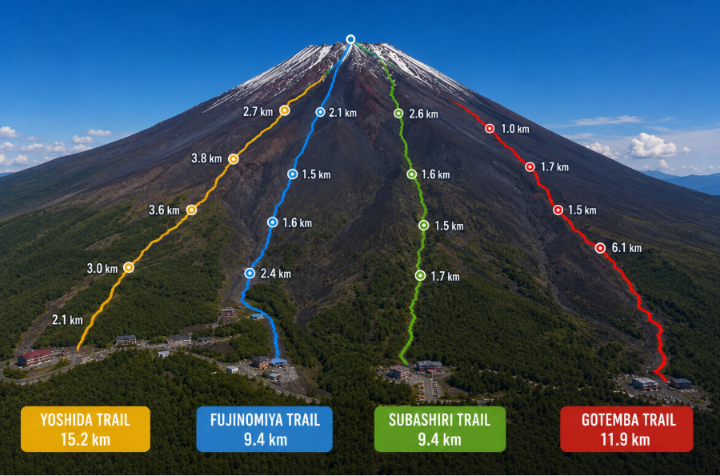
There are officially four climbing routes.
Yoshida Trail
This path is the most popular route and the best choice for beginners.
It has many mountain huts, rest areas, better facilities, clear direction signs, and more hikers along the way. Because of these facilities, most first-time visitors choose the Yoshida Trail.
Fujinomiya Trail
This is the shortest route up the mountain, but it is also one of the hardest because it is steeper than the other trails.
Even though the distance is shorter, it requires more physical effort.
Subashiri Trail
This is a peaceful path that passes through beautiful forests before reaching the volcanic area. It offers a more peaceful hiking experience, but it has fewer facilities than the Yoshida Trail.
Gotemba Trail
The Gotemba Trail is the longest and most difficult route up Mount Fuji because of its longer distance and fewer facilities. It is mainly recommended for experienced hikers.
Related Article: What Is the Famous Mountain in Japan? A Complete Guide
Common Challenges During the Climb
To know how hard is it to climb Mount Fuji, you must know what challenges people face while climbing the mountain.
Walking for many hours can make you feel very tired, and the solution is taking regular breaks, eating snacks, and drinking water, which can help you regain your energy during the hike.
As you climb higher, there is less oxygen in the air, which can make you feel tired or cause breathing issues. To reduce the risk, climb slowly, take regular breaks, drink water, and spend some time resting at the Fifth Station.
During the official climbing season, thousands of people hike Mount Fuji every day. Near the top of the mountain, you have to wait in line for a long time, which can slow down your hike. Being patient will help you enjoy the experience.
The weather on Mount Fuji can change so quickly that a sunny day can suddenly turn foggy, rainy, or windy. It is always a good idea to be prepared for changing weather conditions.
Can Beginners Climb Mount Fuji?
Yes, every year many people who hike Mount Fuji successfully reach the top.
How hard is it to climb Mount Fuji for beginners depends on how well you prepare before your trip.
If you are a beginner, it is a good idea to choose the Yoshida Trail. Train for a few weeks before your trip, wear proper hiking gear, stay overnight in a mountain hut if possible, climb at a comfortable pace, and avoid rushing.
Good preparation and enjoying the beautiful scenery while hiking are more important than rushing to complete the hike.
Final Advice
The answer to the question of how hard is it to climb Mount Fuji is different for everyone. Some people will find it a challenging hike, while others will see it as one of the hardest physical challenges they have ever completed.
The climb requires good stamina, proper preparation, and energy, but you do not need any special climbing skills. With a few weeks of training and the right gear, most beginners can reach the summit during the official climbing season.
If you are well prepared and know the challenges before you start, climbing Mount Fuji becomes much easier and more comfortable. Standing on Japan’s highest mountain and watching the sunrise above the clouds is an unforgettable experience that makes you forget all your pain.
