
July is a good month to visit Japan if you want festivals and mountain hiking and can handle heat and humidity. It brings Kyoto’s Gion Matsuri, Osaka’s Tenjin Matsuri and the start of Mount Fuji’s climbing season, but the cities are hot and wet. Hokkaido is the cool escape.
The temperatures below are the Japan Meteorological Agency’s 1991–2020 normals, and the 2026 festival and Fuji dates come from the sources at the end. Dates move slightly each year, so confirm them before you plan.
Table of Contents
July Weather by City
| City | July mean temp. | August mean temp. | July rainfall | July humidity |
|---|---|---|---|---|
| Sapporo | 21.1°C | 22.3°C | 90.7 mm | 75% |
| Tokyo | 25.7°C | 26.9°C | 156.2 mm | 76% |
| Osaka | 27.7°C | 29.0°C | 174.4 mm | 70% |
| Fukuoka | 27.4°C | 28.4°C | Not listed | Not listed |
| Naha (Okinawa) | 29.1°C | 29.0°C | Not listed | 78% |
Averages hide the peaks: daytime highs are higher, and humidity makes the heat feel worse. Early July often falls inside the rainy season (tsuyu), which ends at different times across Japan. Hokkaido does not have the same rainy season, and Sapporo is clearly cooler than the rest of the country.
How Heat and the Rainy Season Shape a July Trip
July is a month of transition. In Tokyo and much of central Honshu the rainy season (tsuyu) often runs into the first half of the month, and most guides place its end in mid-to-late July, so a trip in the first week and one in the last week can feel like different seasons. Once the rain front retreats, humidity of 75–85% is typical, according to Japan Trip Cost, which makes the heat feel heavier than the thermometer suggests.
Heat stroke (netchu-sho) is the real health risk of a July trip. The same guide recommends sightseeing before about 10 a.m. and again in the evening, and using the middle of the day for museums, department stores and other air-conditioned places. Drink before you feel thirsty: vending machines and convenience stores in most cities sell water and sports drinks.
Conditions differ by region, so match your plan to where you are going:
- Hokkaido: mild summer weather, fewer showers and no official rainy season, though unexpected rain can still occur
- Kanto (Tokyo): hot and humid, with showers possible while the rainy season winds down
- Kansai (Kyoto, Osaka): hot and humid, with the biggest festival crowds of the month
- Kyushu and Shikoku: hot and humid, with the rainy season usually over by late July
- Okinawa: hot, with beach and marine activities in full swing, but typhoon season begins around August, according to HIS
July Festivals
| Festival | Where | 2026 dates |
|---|---|---|
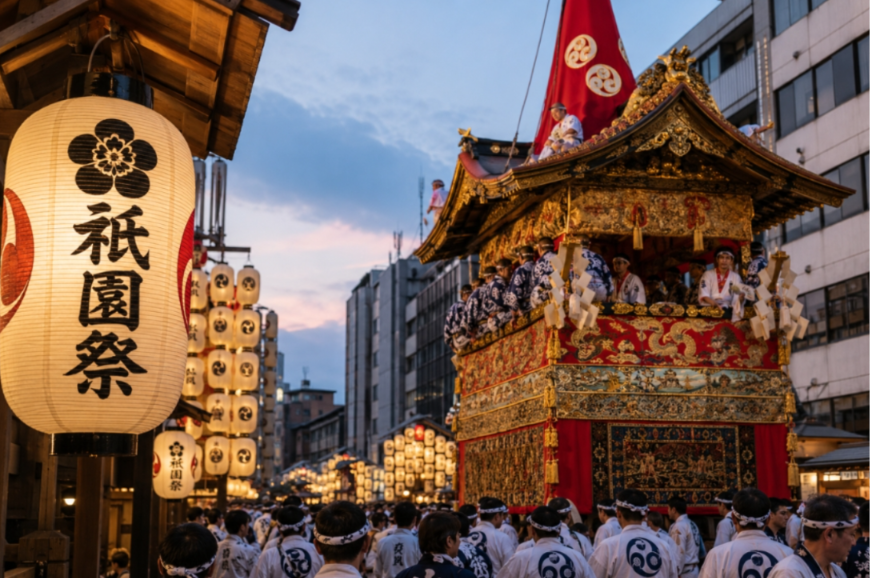
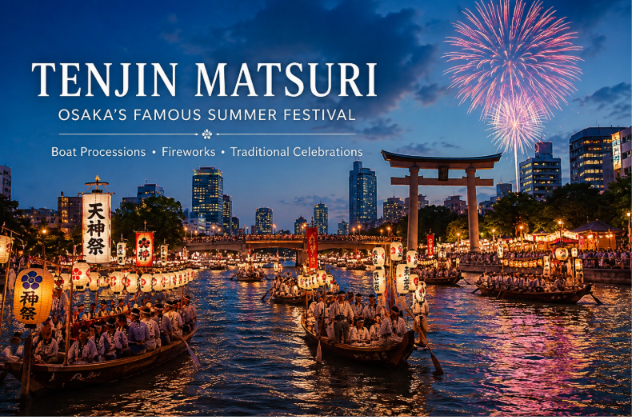
| Gion Matsuri | Kyoto | All of July. Grand float parades on July 17 and July 24 |
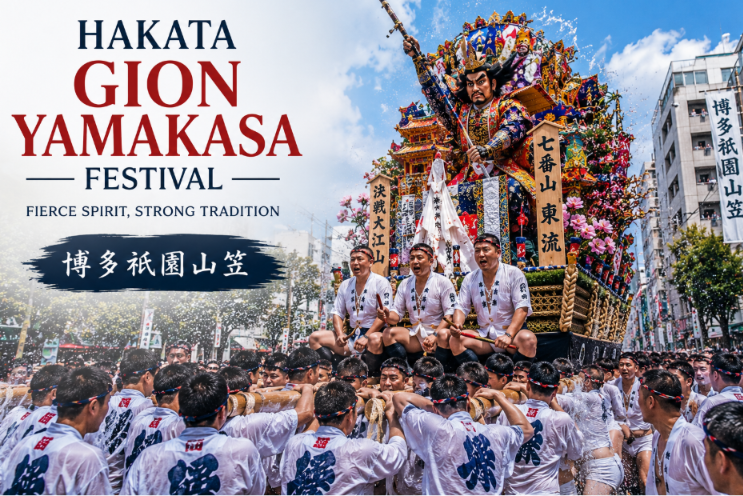
| Hakata Gion Yamakasa | Fukuoka | Begins July 1. Dawn float race on July 15 |
| Tenjin Matsuri | Osaka | July 24–25 |
The Gion Matsuri is the biggest, and the weeks around July 17 and 24 are very busy, so book Kyoto lodging early.
More July Events: Fireworks, Tanabata and Eel Day
Gion Matsuri is not the only reason to time a trip for July. Late July is the start of the fireworks (hanabi) season, and several national days fall in the month. These 2026 dates come from JW Web Magazine, Hidden Japan Gems and the Japan Food Guide.
| Event | Where | 2026 date | What to know |
|---|---|---|---|
| Tanabata (Star Festival) | Nationwide | July 7 | People tie paper wishes to bamboo. Local Tanabata festivals run on their own dates |
| Makomanai Fireworks Festival | Sapporo | July 11 | Hokkaido’s largest, about 22,000 fireworks set to music |
| Marine Day (Umi no Hi) | Nationwide | July 20 | Public holiday on the third Monday of July, so expect busier transport and resorts |
| Sumida River Fireworks Festival | Tokyo | July 25 | Tokyo’s oldest and largest show, dating to the Edo period. Sources give 20,000 to 22,000 fireworks |
| Doyo no Ushi no Hi | Nationwide | July 26 | Midsummer “eel day”, when grilled unagi is eaten for stamina and restaurants promote it |
| Katsushika Noryo Fireworks Festival | Tokyo | July 28 | Held by the Edogawa River with around 20,000 fireworks |
Viewing spots at the big shows fill hours before the first shell, and trains near the venue are crowded afterwards, so go early or pick a smaller local show. Carry cash for the food stalls, and check each organiser’s official page, because fireworks dates move with the weather.
July on Mount Fuji
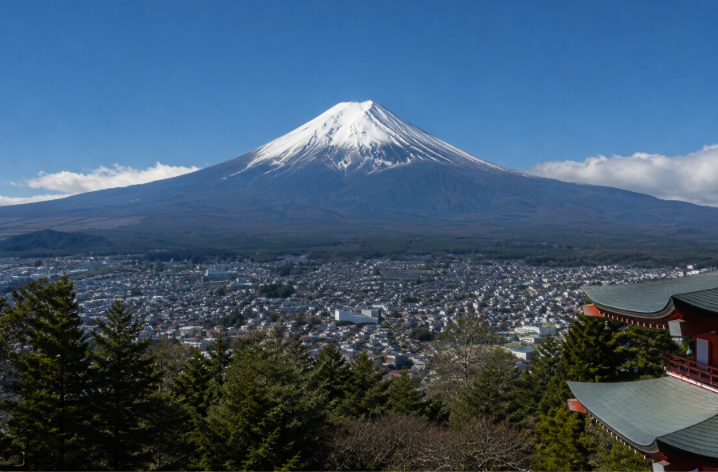
Mount Fuji’s official climbing season is short. In 2026 the Yoshida Trail (Yamanashi side) and the Subashiri Trail opened on July 1, and the Fujinomiya and Gotemba trails opened on July 10. All trails close on September 10. Climbers pay a ¥4,000 hiking fee per person, and the Yoshida Trail has had access limits and a gate that closes overnight, so check the Official Website for Mt. Fuji Climbing before you go. Early July can coincide with the rainy season.
For what the climb involves, see our guide on how hard it is to climb Mount Fuji. For gentler July hiking, northern Japan and the high mountains are better choices than hot lowlands, and our guides to Hakkoda and Zao cover Tohoku.
Hokkaido in July: Lavender and Cooler Air
If the heat is the problem, Hokkaido is the answer. Sapporo’s July mean of 21.1°C in the table above is about 4.6°C below Tokyo’s, and Visit Hokkaido notes, as relayed by Japan Royal Service, that the island largely skips the tsuyu rainy season that affects most of Japan from mid-June to mid-July.
Lavender is the main summer draw. Hidden Japan Gems puts the peak at Furano and Biei from mid-July into early August, and describes Furano as around 5°C cooler than Tokyo. Farm Tomita in Furano is among the best-known fields. For events, the Makomanai Fireworks Festival in Sapporo was held on July 11, 2026, and the Nakafurano Lavender Festival and Fireworks was scheduled for August 1, 2026, according to JW Web Magazine.
Distances in Hokkaido are long, so plan on regional trains or a rental car between Sapporo, Biei and Furano, and book lodging early for the peak lavender weeks.
Tips for a July Trip
- Carry water, sun protection and a rain jacket, and plan sightseeing early in the day
- Book Kyoto and Osaka lodging early for festival dates
- Consider Hokkaido or the mountains if you dislike heat and humidity
- Check typhoon forecasts, because typhoon season starts in summer
What to Pack for July
July packing is about heat management and sudden rain, not warmth. These are the items that come up most often in 2026 July guides:
- Lightweight, breathable clothing, plus a spare shirt for humid days
- A compact umbrella or packable rain jacket, especially for early July
- A sun hat, sunscreen, a refillable bottle and a small towel or handkerchief for sweat
- Quick-drying walking shoes, since sudden showers are common
- A light layer, because trains and shops are often strongly air-conditioned
- Cash for festival food stalls, which rarely take cards
- A yukata, the light cotton kimono many people wear to summer festivals, if you want to join in
August is summer vacation for most Japanese schools, so domestic travel builds toward the end of July. Booking trains and rooms early for festival weekends saves the most trouble.
July in Japan FAQ
Is July too hot to visit Japan?
Cities are hot and humid. Tokyo averages 25.7°C in July and Osaka 27.7°C, with daytime highs well above that, so build in rest stops.
Is it rainy in July?
The rainy season often overlaps early July, and Osaka’s normal July rainfall is about 174 mm. Sapporo is much drier.
Can I climb Mount Fuji in July?
Yes. The official season runs from July 1 or July 10, depending on the trail, to September 10.
Where is the coolest place to go in July?
Hokkaido. Sapporo’s July mean of 21.1°C is about 4.6°C below Tokyo’s 25.7°C, and Hokkaido largely skips the rainy season. High mountain areas are cooler still, which is why July is also the main hiking month in the Japan Alps and on Mount Fuji.
When does the rainy season end?
It varies by year and region. Most 2026 guides put the end of the rainy season in mid-to-late July across central Honshu, while Hokkaido has no official rainy season. Check the Japan Meteorological Agency’s announcements for your travel year, and pack a rain jacket for early July either way.
Can I combine festivals and mountains in one July trip?
Yes. A common pattern is Kyoto for the Gion Matsuri float parades on July 17 or 24, a few days around Tokyo’s Sumida River fireworks on July 25, and then Mount Fuji or Hokkaido to cool down. Fuji’s Yoshida and Subashiri trails opened on July 1 in 2026 and the other two trails on July 10, so most of the month works for a climb.
Is July an expensive month to travel?
Prices are not at their yearly peak, but festival dates are the exception. One 2026 guide describes flights as moderately priced and slightly above average, and Kyoto lodging around July 17 and 24 sells out early. For a daily spending baseline, see our guide on how much yen to bring to Japan.
Sources and Last Check
We compiled this guide from published sources, not from our own July trips. We last checked them on October 9, 2026. Dates and rules change each year, so confirm them before you go. Images are illustrations.
- Japan Meteorological Agency: Climatological normals of selected stations
- Japan Meteorological Agency: Tables of climatological normals (1991–2020)
- Official Website for Mt. Fuji Climbing: 2026 Yoshida Trail regulations
- JW Web Magazine: Climbing Mt. Fuji in 2026
- Hidden Japan Gems: Japan in July 2026
- Self Guide Japan: Japan in July
- JW Web Magazine: Japan in July
- JW Web Magazine: Best fireworks in Japan, summer 2026
- HIS USA: A guide to Japan in July and August
- Japan Trip Cost: Japan weather in July, 2026
- Japan Royal Service: cooler places in Japan in July 2026
- Japan Food Guide: Enjoy Japan in July, 2026 edition
