
One of the most often raised questions is How many Mountains are in Japan, Japan is a mountainous country. According to the Geographical surveys and records maintained by organizations like the Japanese Alpine Club, there are about 16,700 named mountains, since 16,667 appear on Japan’s 1:25,000 topographic maps. Japan is known worldwide for its beautiful and stunning scenery, volcanoes, forests and peaks which attract the visitors to visit and experience the best amazing places
To understand deeply about How many Mountains are in Japan we must look at the geological processes and on what category the mountains are divided and their significance, major mountains, famous peaks.
Table of Contents
- Japan’s Mountainous Geography
- Understanding Japan’s Mountains: Why Does Japan Have So Many Peaks?
- Major Mountain Ranges in Japan
- Mountains in Honshu
- The Cultural Importance of Mountains in Japan
- Best Hiking Spots in Japan
- Best Time to Visit Japanese Mountains
- Wildlife Found in Japanese Mountains
- How Mountains Influence Daily Life in Japan
- How We Would Turn the Number Into a Trip
- Conclusion
Japan’s Mountainous Geography
Japan is a nation which is located in East Asia, consisting of four main islands and thousands of smaller islands. Japan is located on the Pacific Ring of Fire, a region famous for its active volcanoes, frequent earthquakes, and geological activity.
Nearly 70 to 75 percent of land in Japan is covered by Mountains which makes Japan one of the most Mountainous countries in the world. Due to this mountainous landscape people live in coastal places and cities where the land is flat and good for buildings
When people ask “How many Mountains are in Japan?”. There is no exact answer but the experts say that it has up to about 18,000 mountains. There is no particular number because there are some smaller peaks which may or may not be counted as mountains
Understanding Japan’s Mountains: Why Does Japan Have So Many Peaks?
One of the Reason is This country lies where major tectonic plates meet, including Pacific plate, Philippine Sea plate, Eurasian plate and North American plate. After so many years these plates have slowly pushed against each other which cause the land to rise and form mountains volcanoes have also played an important role in changing Japan’s landscape. Many famous mountains including some of the country’s most recognizable mountains, were created through volcanic activity and that happened thousands or even millions of years ago
As a result mountains cover a large area in Japan. This is one of the reason that people get surprised when they know that how many mountains are in Japan. The earthquakes and volcanic activities will change the shape of the country and this will make Japan the mountainous countries in the world
Major Mountain Ranges in Japan
There are so many mountains in Japan. To categorize how many mountains are there in Japan, the geographers grouped this information. The country has around 25 major mountain ranges that have its four main islands : Honshu, Hokkaido, Kyushu, and Shikoku. The largest among the four islands is Honshu
Mountains in Honshu
The Japanese Alps
The Japanese Alps consists of three major mountains they are
- Northern Alps – (Hida Mountains)
- Central Alps – (Kiso Mountains)
- Southern Alps – (Akaishi Mountains)
These mountains are some of the highest mountains in Japan and also perfect destinations for hikers, climbers, and nature lovers. And located in the central Honshu
Ou Mountains
These are located in northern Honshu. These Ou mountains has the longest mountain range
In Japan it is around 500 kilometers. It is narrow and highly volcanic like Mount Iwate and Mount Zao.
The Cultural Importance of Mountains in Japan
The question “How many Mountains are in Japan?” is not just about geography. Because mountains hold deep cultural and spiritual significance.
For centuries the mountains have been viewed as sacred places in Japanese culture.Both Shinto and Buddhism teach people to respect and appreciate nature. Nature is seen as something special and meaningful. Many temples were built on the Mountains or near the mountains because people believed that they were closer to the gods and spirits there.
Many people visit mountains for hiking, sightseeing, prayer, and relaxation. Because of the beauty and cultural value of the Mountains, the mountains are considered to be an important part of life in Japan.
Best Hiking Spots in Japan
Japan is a perfect destination for people who enjoy hiking and spending time in nature. There are many beautiful places where visitors can experience the amazing and beautiful scenery.
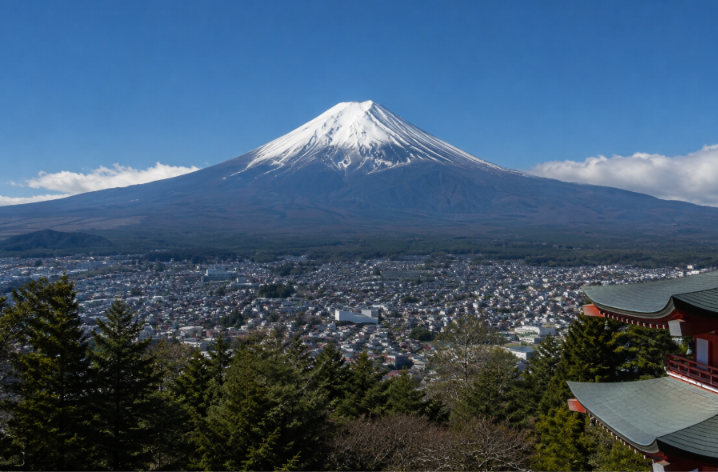
One of the most popular hiking destinations is Mount Fuji. It is the highest mountain in Japan. Every year, thousands of people climb Mount Fuji to watch the sunrise and experience its beautiful view.
The Japanese Alps are another favorite destination for hikers. This place has amazing mountain views, clear rivers, which is suitable for both beginners and experienced hikers.
In northern Japan, Daisetsuzan National Park is known for its beautiful mountains, forests, and wildlife. It is a perfect place for people who want to enjoy nature away from busy cities.
These hiking destinations attract visitors from all over the world and give them a chance to experience Japan’s internal beauty closer. Whether someone is looking for a challenging climb or a peaceful walk, Japan is best for everyone.
Best Time to Visit Japanese Mountains
The best time to visit the mountains in Japan depends on what kind of experience you are looking for. However, spring which is from March to May and autumn which is from September to November are considered to be the best seasons.
During spring, the weather in Japan is pleasant and comfortable. Many mountain areas become even more beautiful as cherry blossoms will bloom with beautiful pink and white blossoms. It is one of the best times to go hiking by enjoying the fresh air and experiencing the beauty of nature.
Autumn is another perfect season for visiting the mountains. During this time, the trees change color by creating amazing views of red, orange and yellow leaves. The cool weather and colorful scenery will make it a perfect season for hiking and having memorable days.
Summer is also a good time for hiking especially in higher mountain regions like Mount Fuji and the Japanese Alps. This is when most mountain trails are open.
In winter the mountain areas receive heavy snowfall, making them popular destinations for skiing, snowboarding, and other winter sports. No matter what the season is, Japan’s mountains offer beautiful scenery and most thrilling experiences for visitors.
Wildlife Found in Japanese Mountains
Japan’s mountains are home to many kinds of animals and plants. The forests and mountain regions provide a safe place for wildlife to live and grow. Some of the animals commonly found in Japanese mountains like Japanese macaques which are snow monkeys, deer, bears, foxes, and various species of birds. The mountains have beautiful trees, flowers, and plants that change with the seasons. This wildlife makes Japan’s mountains an important part of the country’s environment.
How Mountains Influence Daily Life in Japan
Mountains show some impact on daily life in Japan. They give fresh water through rivers which flow from mountain regions to cities and farms. Mountains affect the climate. Many people visit mountains for hiking, camping, and relaxation. And also, mountains have influenced Japanese traditions, culture, and religious practices for centuries. Because of the importance of the mountains, the mountains continue to play a major role in the lives of people in Japan.
How We Would Turn the Number Into a Trip
Published counts range from 16,667, the number on Japan’s 1:25,000 topographic maps, to about 18,000, and there is no official count because the definition of a mountain varies. We would treat the figure as an estimate of scale, not a statistic to quote to the digit, and spend our time on picking where to walk instead.
| If you want… | We would start with | Our guide |
|---|---|---|
| An easy first mountain near Tokyo | Mount Takao or Mount Nasu | Mount Takao, Mount Nasu |
| Japan’s most famous peak | Mount Fuji | How hard Fuji is |
| The Japanese Alps | Mount Norikura for an easy start | Mount Norikura, Tateyama Kurobe |
| Hokkaido wilderness | Mount Yotei or Daisetsuzan | Mount Yotei, Daisetsuzan |
| Active volcanoes in Kyushu | Aso, Kuju or Kirishima | Mount Aso, Kuju |
Whichever you pick, the seasons the guide gives, spring and autumn as the best, with summer for the high mountains, are a good rule of thumb, and our guide on hiking permits covers the paperwork.
Conclusion
The final conclusion for this question, How many Mountains are in Japan? While there is no proper correct answer and no official count has been said, experts estimate that Japan has roughly 16,700 to 18,000 named mountains and peaks.
The answer to How many Mountains are in Japan reveals much more than a simple answer. Japan’s mountains shape its landscapes, culture, economy, environment, and national identity. From the most famous and highest Mount Fuji to the Japanese Alps, these mountains continue to attract people by its amazing and thrilling experience.
They are admired for their beauty, best for climbing adventure, or respected for their spirituality, Japan’s mountains shows the country’s most valuable natural treasures.
