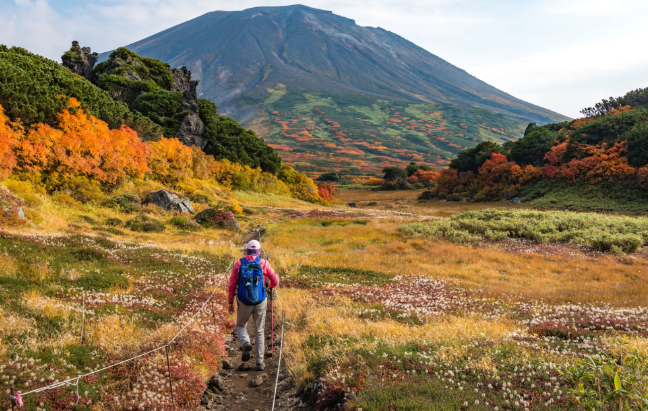
Japan’s biggest terrestrial park in the heart of Hokkaido is also known as Kamui Mintara. The native Ainu people call it “The Playground of the Gods”. There are thousands of hikers annually at the popular spots, such as Mount Asahi (Asahidake), and the volcanic craters of Kurodake. There is a huge network of quiet and undisturbed paths that are not visited. The trails of Daisetsuzan are not part of the tourist circuit. For those who want to leave the hustle and bustle of ropeways for unspoiled, natural Hokkaido, Daisetsuzan’s lesser trails offer a glimpse into the wild heart of the island.
Table of Contents
The “Peaceful” Route
The main roads of DAISETSUZAN’S LESSER TRAILS offer impressive volcanic views, but they draw heavy foot traffic, particularly during the fall foliage season in September. Taking this trail around the lesser tracks, you can enjoy the park much as early explorers did.
Unrivalled Solitude: There may be hours when you see no other hiker, hearing only the alpine winds and the calls of alpine pikas.
Pristine Ecosystems: Off-the-beaten-path trails reveal rare alpine plants, fragile thickets of dwarf pines and the natural habitat of brown bears (higuma).
True Backcountry Challenge: These trails demand skill, self-reliance and planning, and are very rewarding for advanced trekkers.
Secondary Routes & Hidden Circuits: Solitude is the name of this game
Main trails are well maintained with timber steps and signage, whereas secondary trails require more attention to terrain and signage. These are some of the best, lesser-known destinations to visit.
The Numanodaira Marsh Circuit
Numanodaira is a large high-altitude wetland on the east side of the Daisetsuzan volcanic complex, with pure tarns scattered about, reflecting the surrounding mountains.
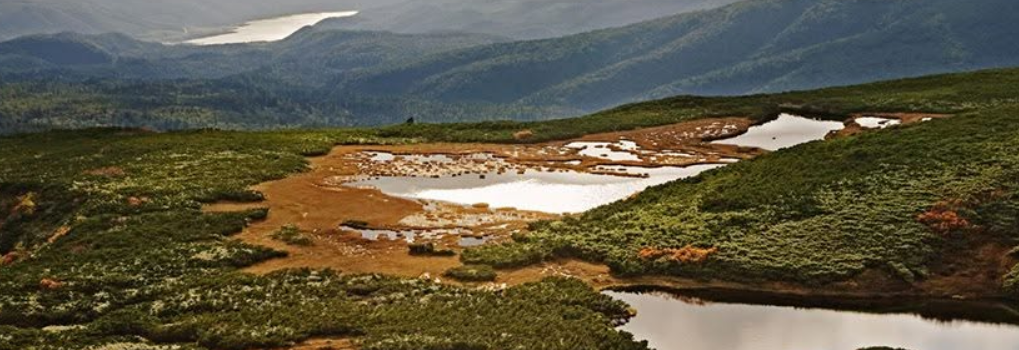
The Route: This trail passes near Sounkyo, or Aiyama-ko on a longer route, and bypasses the heavily used ropeway trails.
Highlight: In late summer (late July to August), the wetlands sprout skunk cabbage, cotton grass and alpine flowers. The marshes offer fantastic photo opportunities without the crowds, with Mount Hokuchin reflected in the still waters.
Tomuraushi Approach from Shintoku
The centre of the Daisetsuzan range is Mount Tomuraushi. Some people head to it from the Tomuraushi Onsen trailhead, but few hikers choose to follow one of Daisetsuzan’s lesser trails: the Shintoku trail, a southern approach.
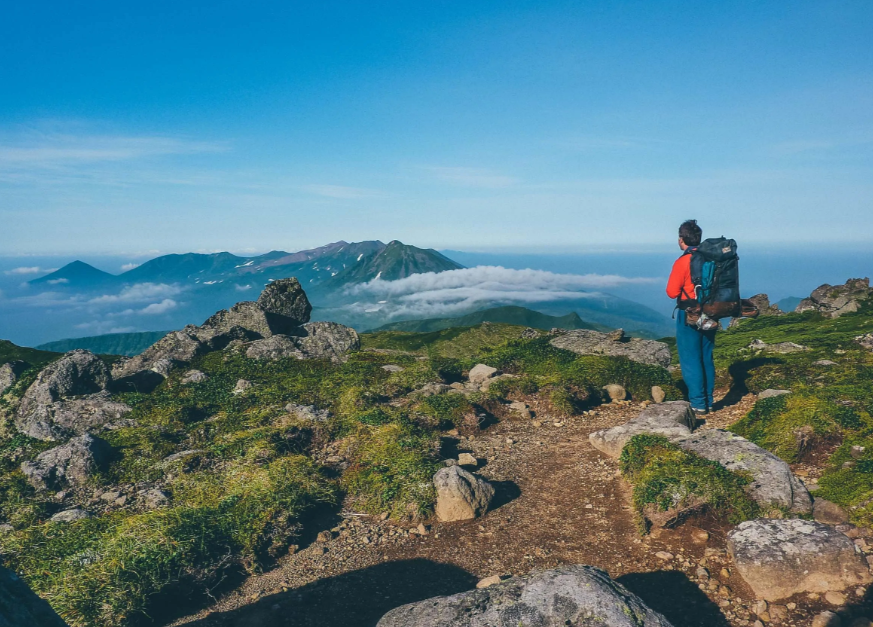
The Route: A multi-day trek that winds through thick bamboo scrub (sasa), rocky streambeds and past isolated mountain huts.
Highlight: The campsite at Teien-kai (the “Alpine Garden”) sits among natural wildflowers and clear streams of snowmelt.
Tokachi Traverse: via Biei-fuji
Although Mount Tokachi is a popular destination, the northern ridge between Mount Biei, Biei-fuji and Mount Ryoun provides quiet ridge walking over raw volcanic scree.
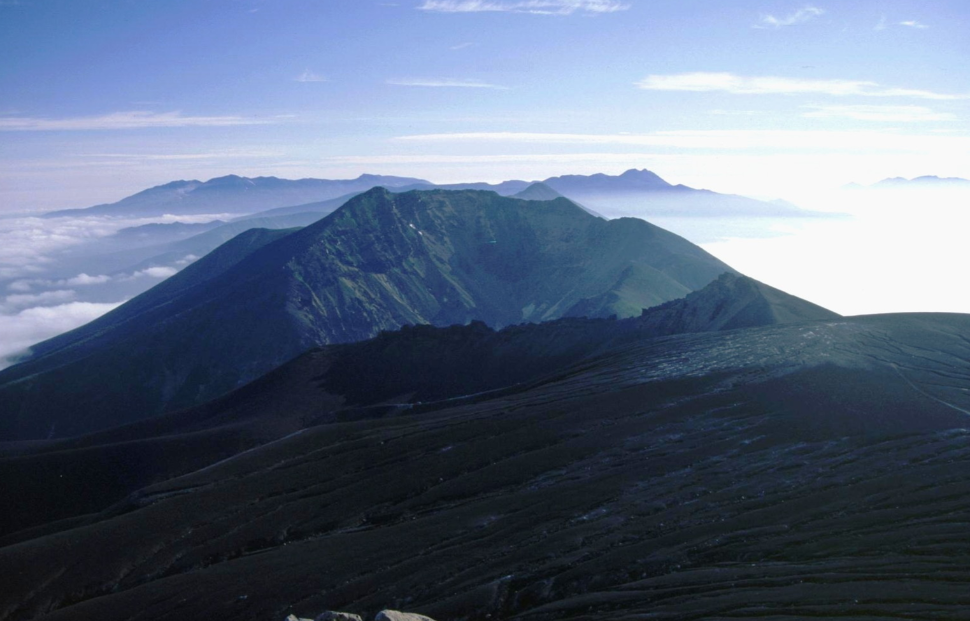
The Route: Ascend from the tranquil Bogakudai and Shirogane trailheads via Biei-fuji, avoiding the main Tokachi sulfur vents.
Highlight: Volcanic features — strange, alien and peaceful — are interspersed with panoramic vistas across the rolling farmland of Furano and Biei in the valley far below.
The Step-by-Step Guide:
Daisetsuzan’s Lesser Trails walks you through hiking the park’s lesser trails, which are accessible from the main trail to the summit.
Preparing for the remote backcountry of Hokkaido’s mountains is essential. Let these step-by-step tips be your guide for a safe and memorable journey!
There are two steps to planning your trip:
In Daisetsuzan, one’s survival depends on the weather. The hiking season is short, from late June to late September.
Step 1
Evaluate Seasonal Conditions: From late June to July, considerable snow remains on the higher passes, so microspikes or crampons are necessary. August brings wildflower blooms and generally reliable weather. September offers stunning fall colours, but temperatures may drop below freezing with early snow possible.
Match Skill to Trail: Check local trail information, such as that provided by the Hokkaido Mountain Guide Association. Make sure the chosen trail is at a level that matches your ability, as there are very few bail-out points on Daisetsuzan’s lesser trails.
Step 2
Acquire Yama-to-Kogen maps (Daisetsuzan / Tokachidake series): Obtain topographic maps, then use the contour lines, water sources and estimated transit times to plan carefully before you go out.
Download digital trail maps: Use apps such as Yamap or Geographica for offline GPS. Keep your phone on airplane mode to conserve battery, and always carry a power bank.
Learn Local Trail Markings: Remote trails are usually marked with pink ribbons tied to branches or with stone cairns (kera) in boulder fields. If you go 15 minutes without seeing a marker or clear footpath, turn around and head back to the last marker you saw.
Step 3
Bear Safety Protocols: (staying safe in bear country)
The Ussuri brown bear (higuma) of Hokkaido is one of the world’s most endangered species. They are more likely to be encountered on the quiet, lightly trafficked paths, where human noise is less prevalent.
Bring Bear Spray: Always keep bear spray in a holster easily accessible on your hip or chest harness — never in your pack. Make sure the canister has not expired, and that you understand how to handle the safety clip.
Wear a good bear bell: Attach a kuma-susu (bear bell) to your pack to make continuous noise. On windy ridges or close to roaring streams, clap your hands or shout occasionally so you don’t startle a bear.
Practice Food Hygiene: All food items must be kept in sealed bags. Do not store or cook food inside your tent when backcountry camping; put food in bear-proof containers at mountain huts and keep food well out of the sleeping area in airtight containers when camping in the backcountry.
Step 4
Pack the Critical Tools: Be ready for sudden weather changes. Despite the relatively low elevation (1,500–2,000m), the alpine weather is very similar to that of the Japanese Alps at 3,000m or in the farthest northern reaches of the country.
Layer: It is essential to wear a synthetic or merino wool base layer. Cotton is a hypothermia risk, so it is strictly prohibited. Bring a hard-shell windproof/waterproof jacket and trousers (ideally Gore-Tex or similar).
Backcountry Footwear: On the lesser trails of Daisetsuzan, most of which are muddy, boggy and wet with roots, wear good waterproof trekking boots with deep lugged soles.
Emergency Shelter: Bring a shelter (Zelt), thermal blanket and a personal first-aid kit, even on day hikes. The Go Facts activities will help students practice the “Leave No Trace” ethics. Unlike primary trails, Daisetsuzan’s lesser trails are not well maintained, and it is up to the visiting hiker to take care of the fragile alpine tundra. When the trail becomes a deep mud path, walk straight through the middle of the path (not along the edges) to prevent it from widening and damaging the fragile alpine flora.
Pack Out Everything: Pack out all litter, including organic waste such as fruit skins and tea leaves, which break down very slowly in the cold alpine climate and attract animals.
Take advantage of Portable Toilets: Many remote huts don’t have facilities. Bring a portable toilet kit (携帯トイレ) and use a separate toilet booth if available to avoid contaminating the soil.
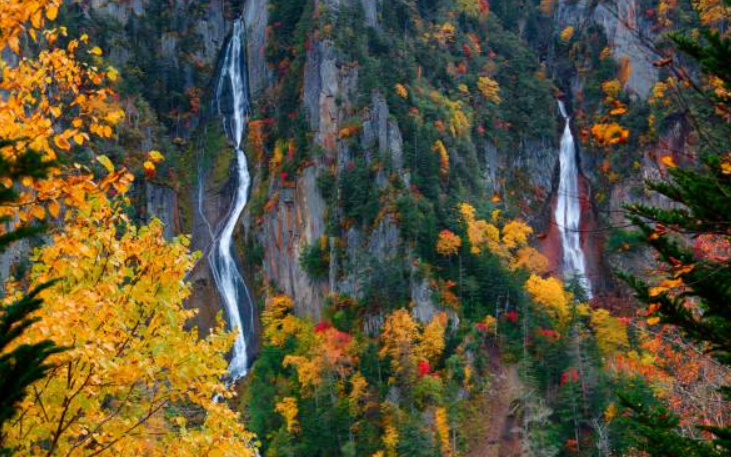
The Spirit of the Unsculpted is Embraced
The lesser trails of Daisetsuzan are an invitation to get off the beaten path and experience the raw and unsculpted beauty of Hokkaido’s high country. With the right mindset, equipment, and safety precautions, you can confidently navigate this ancient volcanic terrain with a sense of peace.
