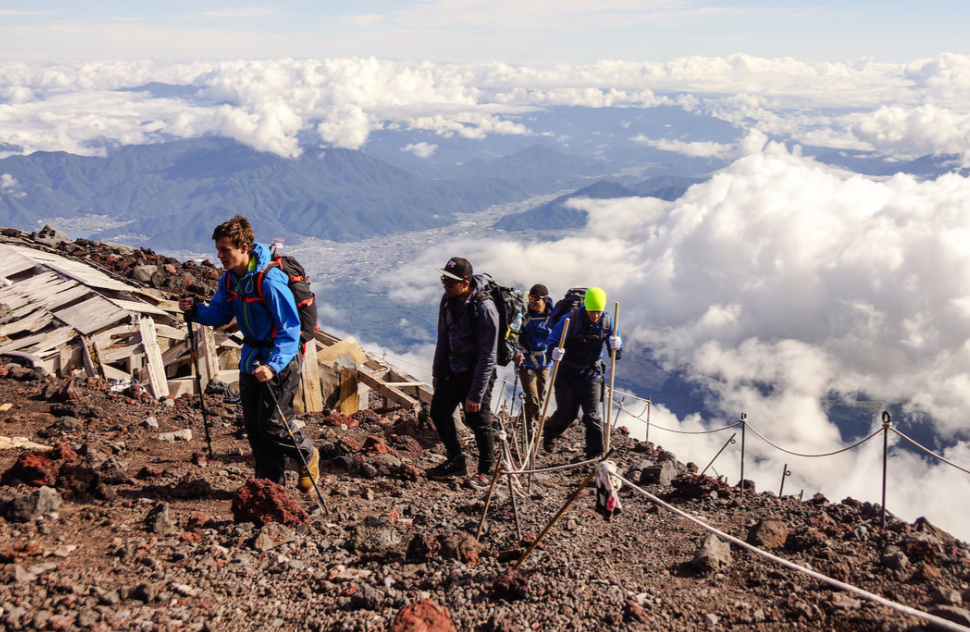
Subashiri Trail is regarded as one of the less-touristy trails of Mount Fuji. It is a popular destination in summer, particularly as it is overshadowed by its much busier neighbour on the Yamanashi side, the Yoshida Trail. Hikers are drawn to its shady forest slopes, a more manageable climbing time, and a slower pace.
This guide has been assembled so as to take the hiker through the necessary steps prior to making an attempt at an ascent. All the essential requirements are explained below, from location to the way down.
Table of Contents
Subashiri Trail – Location
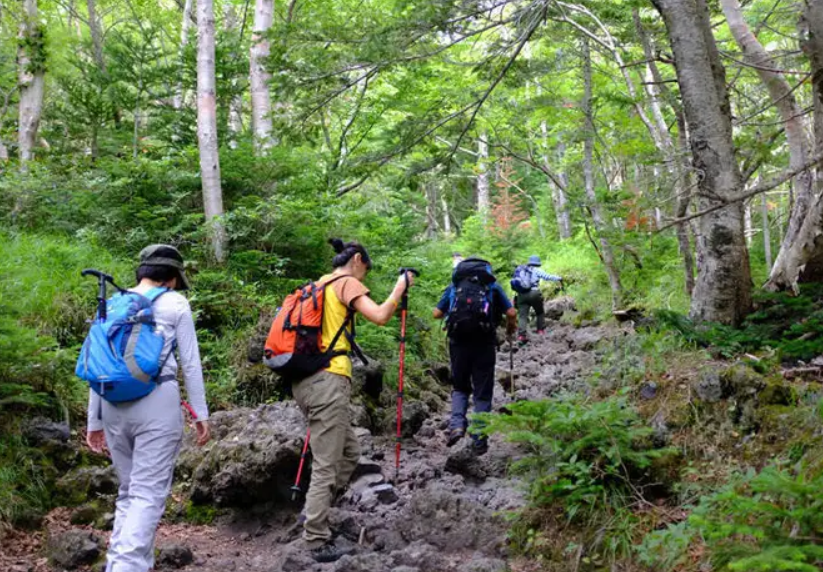
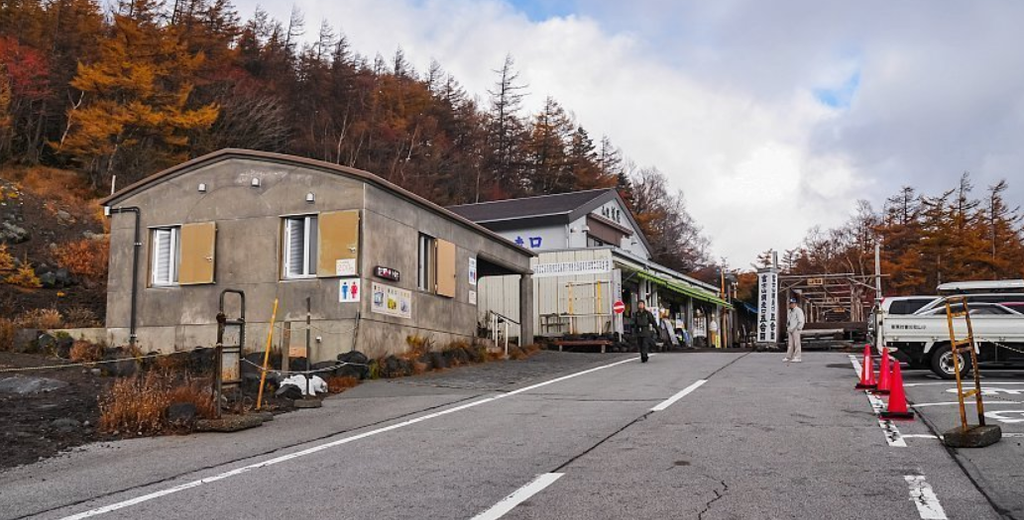
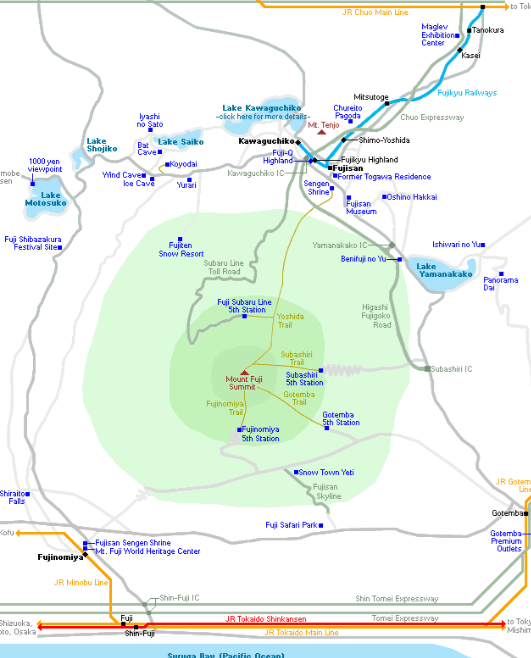
The Subashiri Trail is located on the side of the mountain in Shizuoka Prefecture, Japan. It is accessible by bus from Gotemba Station at the Subashiri 5th Station. There is not quite as much infrastructure here as on the Yoshida side, with just two small shops and restroom facilities at the beginning and a parking area.
This side is more level, and the starting elevation is lower, so more of the route runs through the trees. The result is an experience which is distinctly different than hikes that start from above the treeline.
Hiker’s Delight
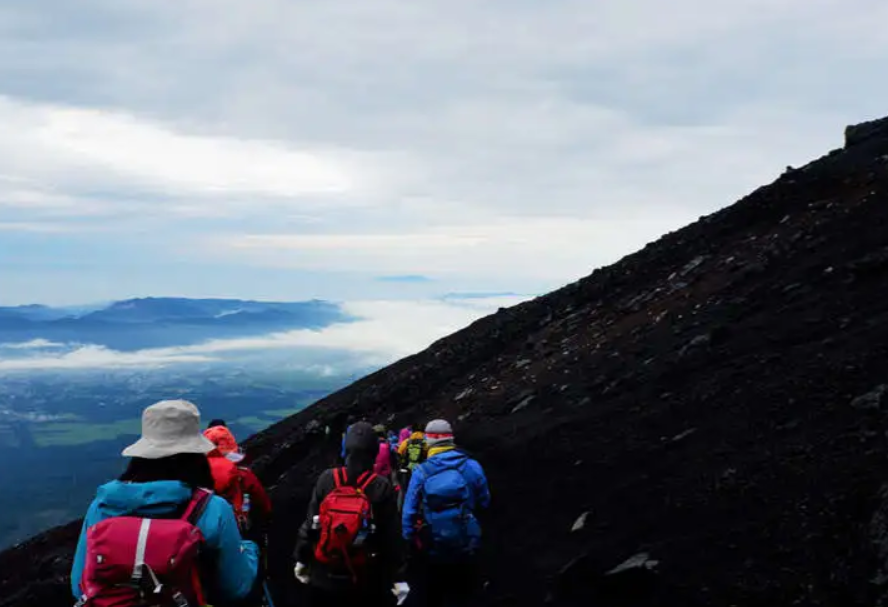
One of the main attractions of this trail is that it is a calmer ascent. The congestion, which often occurs along the Yamanashi side, is not a problem here. It also has the benefit of shade; a long stretch at the bottom of the climb goes through thick forest before the bare volcanic rock is reached.
There is one sacrifice, however. A point to note when comparing to the Yoshida Trail is that there are noticeably fewer huts on this trail. For this reason, it is advised that everyone interested in staying overnight book a hut well in advance.
Season Dates and Timing
From around July 1st, people can climb the Subashiri Trail until September 10th. One change to note for 2026: the opening date was brought forward, aligning with the Yoshida side, unlike the other two Shizuoka routes.
Attempts outside this window are strongly not recommended. When the season ends, the huts are closed, and help is seldom available during the off-season. The registration process is quite straightforward.
Procedure – Subashiri Trail
Step 1: Access the FUJI NAVI platform
Registration is available on the official “SHIZUOKA FUJI NAVI” website and/or app. This is a different system from the one on the Yoshida side, and the right portal should be checked beforehand.
Step 2: Take the Safety Course online
A brief e-learning period is dedicated to altitude sickness, equipment, and mountain manners. Do not skip this step, as it’s a core part of the mandatory process.
Step 3: Complete the short quiz
A short quiz is given at the end of the course. A QR code is not generated until there is a passing result.
Step 4: Pay the fee
This trail charges a flat fee of 4,000 yen per climber, which is the same rate as is now used on all four official trails to the top of Mt. Fuji. This can be paid online in advance, or settled in cash at the gate.
Step 5: QR code & wristband collection
Once your payment is settled, you will receive a QR code. This is scanned at Subashiri 5th Station, and upon scanning, an entry wristband is given.
Step 6: Hut arrangements are finalised, if an overnight stop is planned
This is far less crowded than the Yoshida side. Reservations are strongly recommended as there are only a few rooms available, and they fill up quickly during peak periods.
Unlike the Yoshida Trail, there is no daily cap on the number of climbers on this trail. However, registration is still a requirement, and it is not advisable to show up without completing a safety module.
Restriction List and Gate Times
The gate times are the same for all four Fuji trails, including this one. Access to this area is restricted from 2:00 pm to 3:00 am unless a booking has been made for an overnight hut. The rule is in place to reduce “bullet climbing” (attempts to the summit without resting or spending a night at a hut).
Fatigue and altitude sickness are much more likely with bullet climbing, so it is actively discouraged.
New Trail – Merge Point
The Subashiri Trail is also divided into numbered stations like the other three trails. The 5th Station is where most climbers start and is below the elevation of the Yoshida start.
The first part of the trail is in the forest, distinguishing it from those that start above the tree line. In approaching the 7th and 8th Stations, this trail merges with the Yoshida trail on the final approach to the summit.
The two trails are joined at a higher elevation, so extra care must be taken if it is intended to return to the original trail. The descent course is marked in a different colour to make it easy to tell from the ascent route at this junction.
What Should Be Packed?
- A gear checklist ought to be sorted out before any climb is started. Items listed below are considered non-negotiable.
- Layered clothes as conditions cool quickly at the summit.
- A headlamp, as a lot of the climb takes place before dawn.
- Trekking poles, handy on steep sections and particularly downhill.
- Plenty of water and snacks (huts have limited supplies, and they are more expensive).
- Cash, since cards aren’t accepted everywhere.
- Rain gear, because the weather on the summit is unpredictable and can change rapidly.
Reaching the Trailhead
The typical gateway is Gotemba Station, which can be accessed from Tokyo via the JR Tokaido Line and JR Gotemba Line. From there, it takes about an hour by bus to reach the Subashiri 5th Station.
Private vehicles are not allowed on the access road during the climbing season. Instead, a shuttle and a parking system take over, and bus timetables need to be checked ahead of time, as service is less frequent outside of peak hours.
Effective Management of Altitude and Staying Safe
Like all of the Fuji routes, there are quite a number of people who suffer from altitude sickness on this trail. Even people who are physically fit can experience symptoms such as headache, dizziness, and nausea.
The overall pace should be slow, and giving the body time for hydration and breaks is important during the climb. A night at a mid-mountain hut is a good idea as it gives the body time to acclimatise.
If symptoms continue despite resting, it is not advisable to delay returning to the bottom. This is a less-popular path than the others; staffed points are less frequent than on the busier paths, so self-reliance is particularly important on this trail.
Coming Back Down
The trail branches off below where it joins the Yoshida trail, to form a dedicated descent path. Much of this section is covered with loose volcanic gravel – trekking poles are very useful.
Poor visibility, coupled with increasing weariness, demands extra precautionary measures during this time. It is not uncommon to take a wrong turn around the Yoshida junction, so it’s essential to pay close attention to the signs.
Wrapping Up
This is where solid preparation pays off, but shortcuts will end up leaving you exhausted, struggling with the altitude, or missing transport altogether. Getting registered early, having pre-booked huts and following the packing list are all important.
In this manner, most people take home the reward of a pleasurable and much less crowded climb. The iconic sunrise view from the summit, which you see after climbing the Subashiri Trail, is the same, only with a less frenzied and less-crowded lead-up.
The rules, fees, and booking system change from year to year. Always consult the official Mount Fuji climbing site and the prefectural announcements of Shizuoka before making a trip.

1 thought on “Subashiri Trail: The Handbook to Mount Fuji’s Quieter Forest Route”