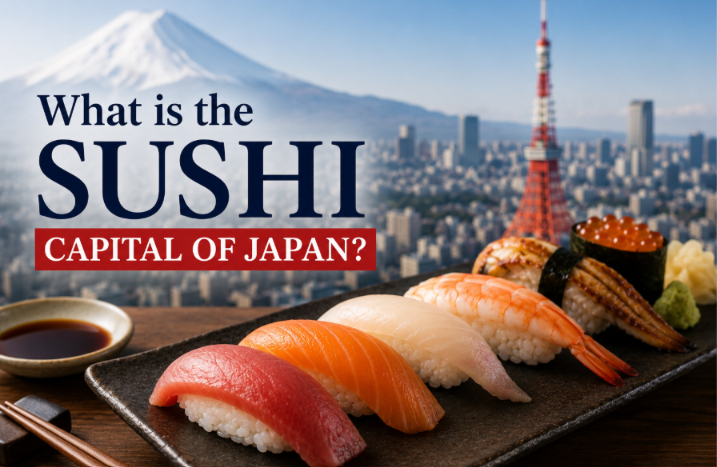
Tokyo is the city most people mean when they talk about the sushi capital of Japan. Nigiri sushi, the hand-pressed style most visitors picture, took shape in Edo (the old name for Tokyo) in the early 1800s, and the city is still home to the country’s best-known fish market and a huge range of sushi restaurants. Other regions have their own sushi traditions, so “capital” is a reputation rather than an official title.
This guide covers where that reputation comes from, how Tokyo-style sushi developed, which other Japanese cities also claim the title, and where to start as a visitor.
Table of Contents
Why Tokyo Has This Reputation
Three things explain it: the history of nigiri in Edo, the city’s role as the centre of Japan’s fish trade, and the range of restaurants, from casual counters to formal omakase. Each is covered below.

How Nigiri Began in Edo
During the Edo period (1603 to 1868), Edo moved away from the older pressed-box style of sushi, called hakozushi, towards hand-pressed nigirizushi. This began in the early 1800s. The chef most often credited is Hanaya Yohei, who sold sushi from carrying boxes in the evening streets, then ran a yatai (street stall), and in 1824 opened a shop in Ryogoku.
Customers at stalls chose from toppings on display and the chef made the sushi on the spot, usually while they stood. It was fast, cheap street food rather than the formal dining it is often associated with today. Pressed hakozushi, meanwhile, remains popular in Osaka and Kyoto. These details come from the nippon.com history of sushi in Edo.
What “Edomae” Sushi Means
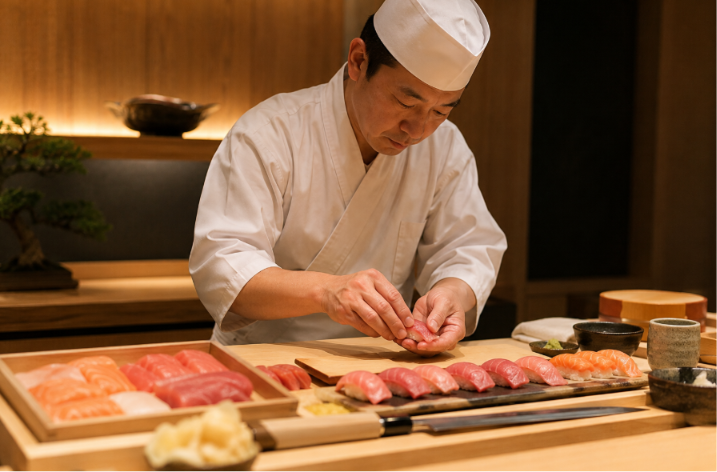
You will often see the word Edomae on menus and in restaurant descriptions. It is usually translated as “in front of Edo”, a reference to the bay, and today it labels the Edo-style tradition described above. Restaurants that use the label tend to follow a few habits: the rice is seasoned with red vinegar, some fish is aged or cured to bring out flavour rather than always being served as fresh as possible, and the chef finishes each piece with a light brush of soy sauce so the diner does not need to dip it. byFood’s guide to Tokyo sushi restaurants describes several counters in these terms, including one that brushes each piece with nikiri, a blend of sake, soy sauce and mirin.
Conger eel (anago) is one detail that regulars watch for. The byFood guide calls it a cornerstone of the Edomae tradition and a way many enthusiasts judge a chef’s skill. It is typically simmered and finished with a sweet sauce, although one Tokyo counter listed by byFood seasons it with only salt to highlight the eel itself.
Edomae describes a style, not a quality rating, and many Tokyo counters mix it with newer ideas, such as pairing sushi with wine or adding fresh herbs.
The Fish Market: From Tsukiji to Toyosu
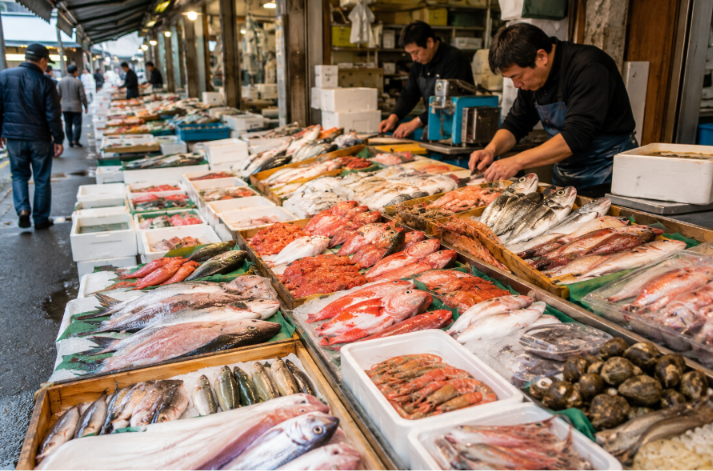
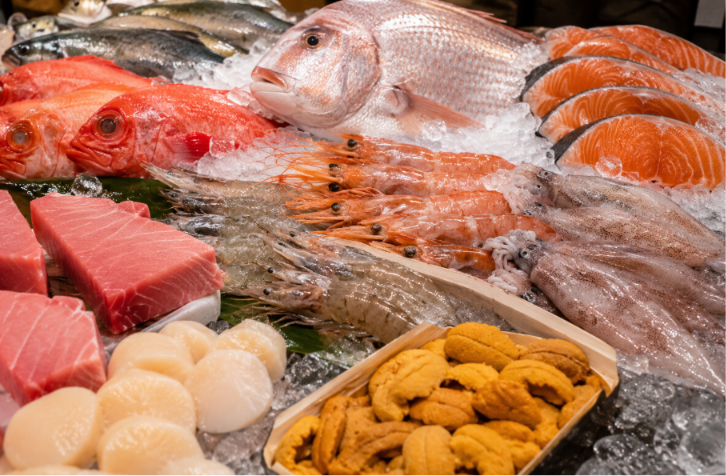
The wholesale fish market moved from Tsukiji to Toyosu on October 11, 2018, with more than 600 merchants relocating. The Tsukiji Outer Market, a collection of shops and eateries selling seafood and kitchen goods, is still open. At Toyosu you can watch the tuna auction from a viewing gallery, and there are sushi restaurants in the market buildings.
- Toyosu: the working wholesale market. The upper observation gallery is free and needs no booking, according to Tokyo Cheapo. The closer deck is by reservation.
- Tsukiji Outer Market: street-food stalls and small restaurants, with more sushi and shopping options than Toyosu.
Styles of Sushi Restaurant in Tokyo
| Style | What to expect |
|---|---|
| Conveyor-belt (kaiten) | Casual and affordable; plates pass on a belt or are ordered on a screen |
| Standing sushi (tachigui) | Quick, no-frills counters, popular with commuters |
| Market-area counters | Seafood bowls and sets near Toyosu and Tsukiji, often with queues |
| Omakase counters | The chef decides the menu; reservations are usually needed and prices are much higher |
Prices vary widely, from low-cost conveyor-belt plates to expensive omakase. Check the menu or the restaurant’s own site for current prices.
Other Japanese Cities With a Claim to the Title
Tokyo is the usual answer, but it is not the only one. Lonely Planet publishes a guide that describes Kanazawa as Japan’s sushi capital, and local-staff roundups from MACHIYA INNS & HOTELS argue that several coastal cities deserve a place on the list. Which one wins depends on what you value: Tokyo for history, range and the wholesale fish trade, or the regional cities for local catch close to where it is landed.
| City | Why it comes up | Local things to look for |
|---|---|---|
| Kanazawa (Ishikawa) | On the Sea of Japan coast. Lonely Planet says much of its best catch stays in the region and that upscale omakase can cost a fraction of big-city prices abroad | Yellowtail (buri), blackthroat seaperch (nodoguro), sweet shrimp, seafood bowls at Omicho Market |
| Hokkaido (Sapporo, Hakodate) | MACHIYA describes the seafood as exceptionally fresh and the sushi as affordable, with Michelin-starred restaurants that are comparatively easy to get into | Sea urchin (uni); tuna and squid around Hakodate |
| Toyama | Most of the fish comes from Toyama Bay, whose layered waters MACHIYA likens to a natural fish tank | White shrimp (shiro-ebi), firefly squid, trout sushi |
| Shizuoka | MACHIYA says the prefecture ranks first in Japan for tuna catches | Tuna, sakura shrimp, shirasu (baby sardines) |
| Kyoto | An inland city, so its signature style grew from salted, preserved fish | Saba-zushi (preserved mackerel sushi) |
If you want to compare, MACHIYA notes that the Hokuriku Shinkansen has made Kanazawa easier to reach from Tokyo, Osaka and Kyoto, so a Kanazawa stop can sit alongside a Tokyo visit. Check current timetables and fares before you plan.
Sushi Types You Will See on Menus
Tokyo is best known for nigiri, but menus across Japan use several other terms. byFood’s guide lists these as the most common types:
- Nigiri: a hand-pressed topping on a small bed of rice.
- Makizushi: rolled sushi, usually wrapped in seaweed.
- Chirashizushi: “scattered” sushi, with toppings spread over a bowl of rice.
- Inarizushi: rice inside a pouch of seasoned fried tofu.
- Temarizushi: small “hand ball” sushi.
- Gunkan maki: “battleship” sushi, where a strip of seaweed holds loose toppings such as sea urchin or roe on the rice.
- Narezushi: fermented sushi, the preserved-fish style from which the dish originally developed.
- Oshizushi: pressed sushi, including the box-pressed hakozushi mentioned earlier.
- Sasazushi: sushi wrapped in bamboo leaves.
Where to Start as a Visitor
- Visit the Tsukiji Outer Market in the morning for a first taste.
- Plan an early start for Toyosu if you want to see the tuna auction.
- Try a conveyor-belt restaurant for an easy, low-pressure first meal.
- Book an omakase counter in advance if you want a formal experience.
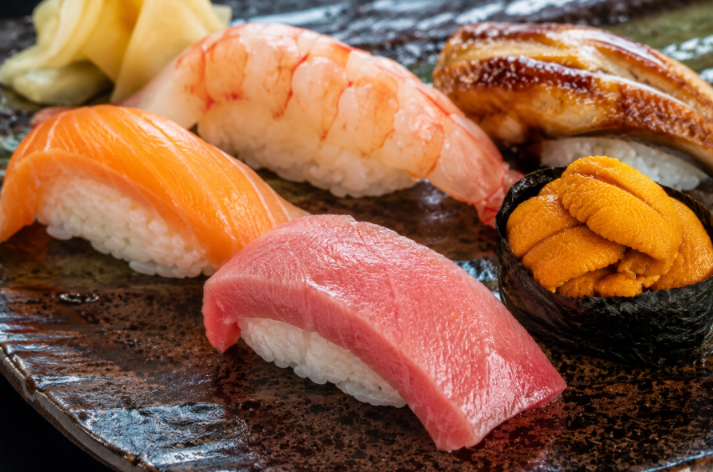
For specific places and how to choose, see our guide to the best places to eat sushi in Tokyo. If you are new to the terms, read our sushi vs sashimi explainer.
Frequently Asked Questions
Is Tokyo officially the sushi capital of Japan?
No. It is a reputation, not an official title. Tokyo is the home of Edo-style nigiri and the main wholesale fish market, which is why it is so closely associated with sushi.
Who invented nigiri sushi?
Hanaya Yohei is the chef most often credited, around the early 1800s in Edo, according to nippon.com.
Is the Tsukiji fish market still open?
The wholesale market moved to Toyosu in October 2018. The Tsukiji Outer Market, with its shops and eateries, is still open.
Can I watch the tuna auction?
Yes, at Toyosu. The upper gallery is free and does not need booking, and a closer deck is by reservation. Check the official site for current rules, as access can change.
Is sushi in Tokyo expensive?
It ranges from low-cost conveyor-belt plates to expensive omakase. Check menus for current prices.
Is Kanazawa or Hokkaido better for sushi than Tokyo?
It depends on what you want. Tokyo offers the widest range, from conveyor-belt counters to formal omakase, along with the Edo-style tradition. Kanazawa, Hokkaido and Toyama are praised for regional seafood and, according to Lonely Planet and MACHIYA, for good value. Neither is simply better, so many visitors choose by route and budget.
What does Edomae mean?
Edomae refers to the Edo-style sushi tradition of the Tokyo area. Typical features include red-vinegar rice, aged or cured fish and a light brush of soy sauce on each piece, according to byFood. It describes a style, not a quality rating.
Is sushi in Osaka and Kyoto different from Tokyo sushi?
Yes. Pressed hakozushi remains popular in Osaka and Kyoto, according to nippon.com. MACHIYA adds that Kyoto is known for saba-zushi, a preserved-mackerel style that developed because fresh fish took a long time to reach the inland city.
Sources and Last Check
Facts on this page were checked against the sources below on October 9, 2026. Prices, opening hours and rules can change, so confirm with the operator before you go. Images on this page are illustrative and are not photos from a specific visit.
- nippon.com: When sushi became a new fast food in Edo
- Tokyo Cheapo: Toyosu Fish Market, what to know
- GO TOKYO: Toyosu Market
- Lonely Planet: 6 of the best places for sushi in Kanazawa, Japan’s sushi capital
- MACHIYA INNS & HOTELS: Best places and cities to eat sushi in Japan, according to locals
- byFood: Best sushi restaurants in Tokyo
