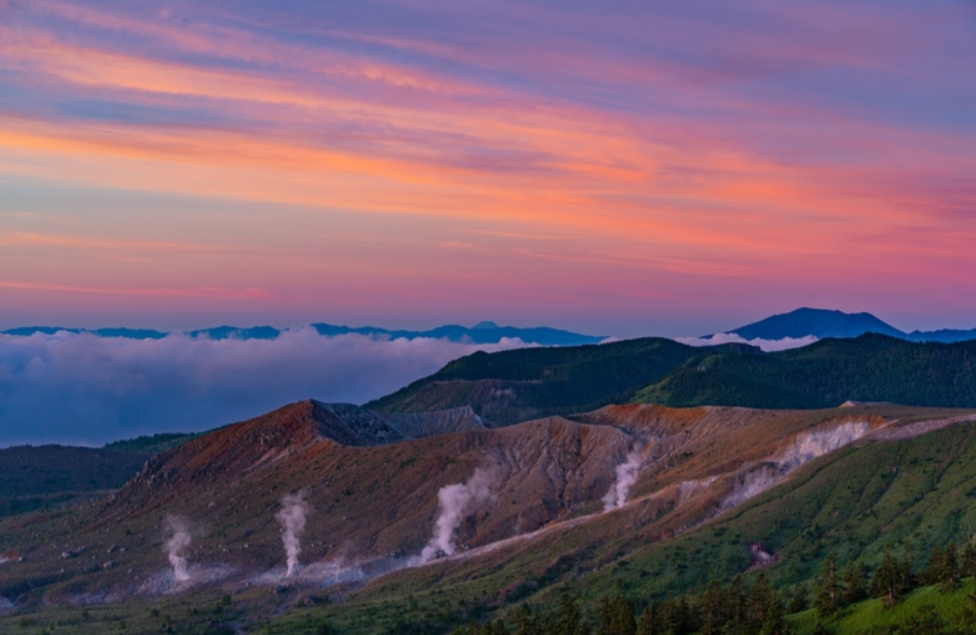
Mount Kusatsu-Shirane is a spectacular volcanic mountain in Gunma Prefecture. At the very top of it, there is a brightly coloured emerald crater lake called Yugama, which almost looks like a placid pond. Due to this unique attribute, a Kusatsu Shirane hike is one of the more unusual hikes in Japan. There are numerous visitors to the area who visit the nearby hot spring towns for a bit of relaxation in addition to the adventure.
Table of Contents
A Bird’s-Eye View of the Mountain
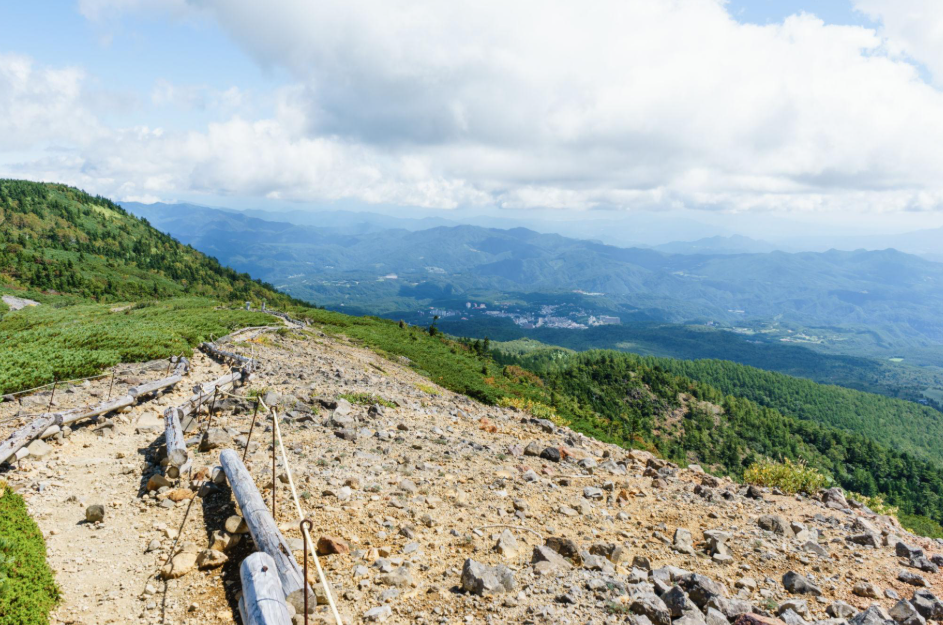
This site is still subject to close monitoring of volcanic activity. Gases and the danger of eruptions have made access to the crater at times impossible. Therefore, an imminent volcanic alert should always be taken into consideration when planning a hike at Kusatsu Shirane. The Japan Meteorological Agency issues official advisories, which should be checked before visiting.
The more well-known summit is Mount Shirane, where Yugama can be found. There is also a second peak, called Motoshirane, which may be harder to access depending on the conditions and is climbed by some hikers.
The Climb – Early Season
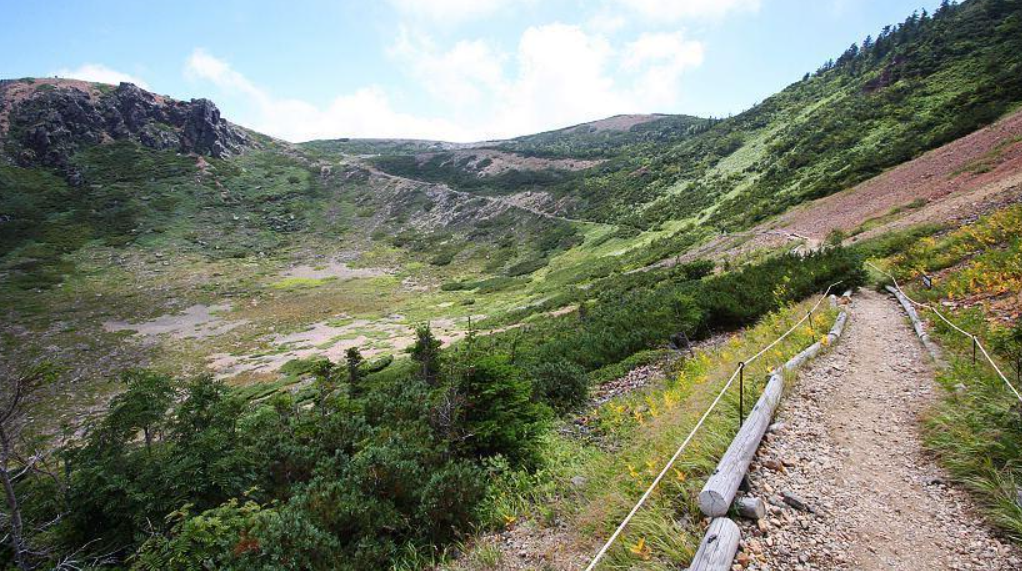
The best time for a Kusatsu Shirane hike is typically recommended to be a certain window. Late spring to autumn – May to October is considered best. During this time, one may expect snow on the trails, and extra gear would then be needed.
The summer season is characterised by sunny weather, but can also see afternoon storms. Fall is generally a season celebrated for its cooler weather and fall colours of nearby hillsides. It is always recommended to leave early, as fog is common in the crater during the day.
Step 1: Access & Alerts
Volcanic alert levels must first be confirmed. Sometimes there are restrictions around Yugama, and these should NOT be disregarded. Information about the latest news can be obtained from local tourism offices or the official websites of the volcano.
When it is determined that restrictions exist, other viewing platforms are typically still provided. These enable the crater lake to be seen without any danger, even if access is not allowed. These official notices must always be taken into consideration when making a Kusatsu Shirane hike.
Step 2: Choose a Route
There are multiple routes up to the summit area. One of the more popular ways is from the parking lot and the simple amenities of the Kusatsu Shirane Rest House. Here, a well-kept trail leads to the area where you can see the crater.
For the more solitary of its visitors, there is also an alternative route to get to Motoshirane. This path will have fewer visitors and fewer or less frequent trail signs. This is recommended only for experienced hikers who have previous mountain experience.
No matter which route is chosen, however, it is important to check the current conditions first, as a Kusatsu Shirane hike may be closed or unsafe due to seasonal restrictions with little notice given.
Step 3: Physical Preparation
Although it is a moderate-grade climb by volcanic standards, some conditioning is recommended prior to undertaking this climb. The weeks preceding this tip are suggested to include some regular walking or light cardio. Leg strength should also be developed by performing simple leg exercises, like squats and step-ups.
It is also recommended to have a short practice hike to test boots and clothing layers, as well. As for balance, it should be done on an uneven surface, as volcanic gravel is found near the rim of the crater.
Step 4: Wearing the Appropriate Gear
Comfort and safety require a well-planned kit. Common items that are included are:
- Crucial hiking boots that have solid traction.
- Packed layers, because of the variations in temperature at height.
- A waterproof jacket is essential here, as it is quite possible for rain to fall at any time.
- A dust or gas mask is sometimes recommended because of the emissions of sulfur close to the crater.
- Trekking poles helpful when on a gravel section.
- Sunglasses and sunscreen, as the reflection off the crater lake can be very strong
- Adequate water and light snacks.
- A simple First aid Box.
- A map of the trail to show you where you should go, since the signal may be weak near the top,
- The mask comes to mind here twice because one of the rare exposures associated with a Kusatsu Shirane hike is exposure to gas.
Step 5: Make the Ascent
The trail from the trailhead is slightly uphill. Most of this section is very poorly vegetated or covered in volcanic rock, and there are few areas of shade. A steady pace is suggested, as this can be tiring faster than anticipated due to both the altitude and the sun.
The colour changes to a starker colour as one nears the rim of the crater. The greener lower slopes are replaced by barren volcanic soil – a change that can be one of the most dramatic of the entire Kusatsu Shirane hike. Extra care should be taken here, as the gravel may move suddenly underfoot.
Step 6: Observe the Crater Lake Yugama
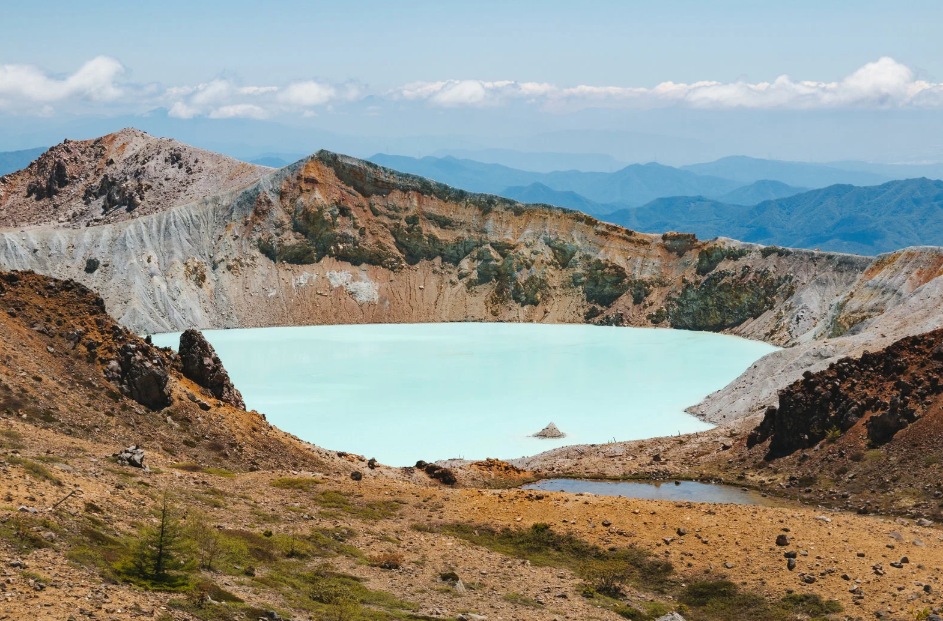
On reaching the rim, an impressive emerald coloured lake can be seen below. The colouring is due to minerals that are dissolved in the water and the high level of acidity in the water. Photos are usually taken from vantage points, and it is highly recommended that visitors stay within the marked areas; the border of the crater may be unstable at certain places.
Since the gas may be released from the lake at times, it is recommended that direct time around the lake be kept to a minimum. It is the one breathtaking vista that is most often remembered about a Kusatsu Shirane hike.
Step 7: Descending Safely
The descent should be made at a controlled rate, as was the ascent. It is followed again by loose gravel as one heads down the path, where trekking poles will still be helpful for balance. The knees are put under extra pressure in this phase, so short and deliberate steps are suggested.
Unless an alternate trail has been planned, it is generally suggested that the same trail be retraced. Always make sure there is enough daylight to make it back.
Step 8: Relax and Have Fun
After a Kusatsu Shirane hike, a nearby Kusatsu Onsen town is typically visited. Throughout this historic town, there are hot spring baths, and a soothing bath is believed to be the perfect way to end the day. There are also a number of local restaurants that provide a great opportunity to relax before your journey home.
Safety Precautions
This is a special mountain where several precautions are important:
Prior to and during the visit, volcanic alerts should be checked.
With the knowledge that there are sulfur emissions in the vicinity of the crater, the use of gas masks is advised.
Always follow marked paths—do not walk on the edges of craters that are not marked.
Care should be taken in reading weather forecasts because fog can form rapidly.
Partners should stay close along the trail.
Local advice should be checked, as sometimes restricted access is not issued upon notice.
These steps are strongly recommended by local organisations and are deemed significant for individuals who try to do this hike safely: the Kusatsu Shirane hike.
A Hike with a Contrast
This is a memorable climb because of how different it is. Relaxing in the quiet hot springs, accompanied by an active and sometimes restless volcanic environment. There are not many hikes in Japan like this that offer such easy access to post-hike comfort while giving us nature in such a dramatic fashion.
A hike at Kusatsu Shirane offers a rare experience: a surreal crater lake, relatively easy climbing, and a tranquil onsen at the end of the path. If you are more interested in a similar kind of experience, check out Goshikinuma Trail.
