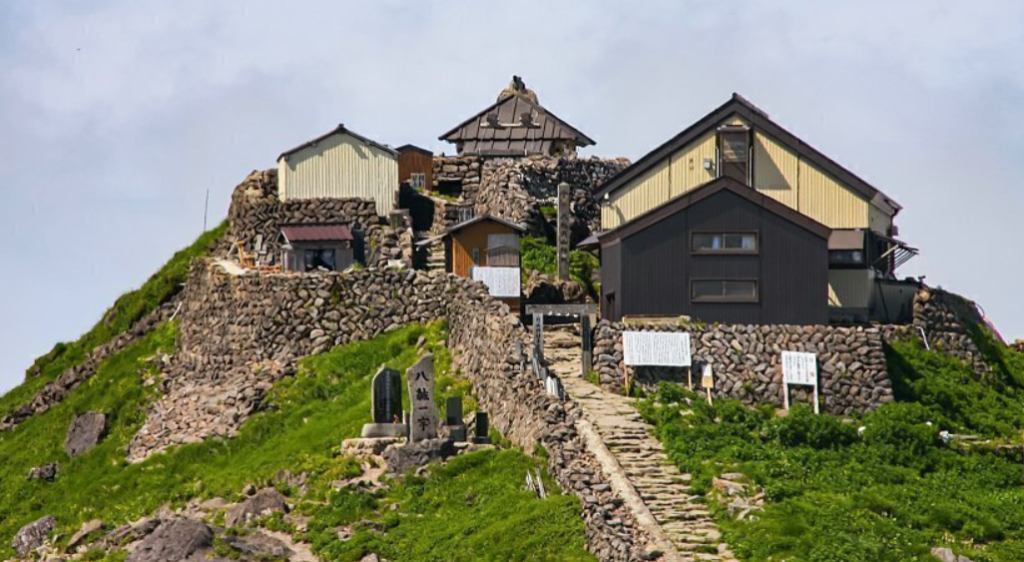
Mount Gassan is one of the three sacred Japanese Dewa Sanzan peaks, standing far out of sight in Yamagata Prefecture. If you think of it by height, it’s not the highest of the three, but if you think of it by spiritual significance and beauty, it’s probably the most. Many hikers choose a hike on Mount Gassan because it offers a combination of snowfields, alpine wildflowers, and a centuries-old pilgrimage tradition in one hike.
Table of Contents
- What is Special About the Mount Gassen Hike?
- What is the Optimal Time for the Mount Gassen Hike?
- Which Way To Go Mount Gassen Hike?
- How to Prepare the Body?
- What Gear Do You Need?
- What are the Events for the Ascent?
- What Lies Ahead at the Summit?
- What Should Be Done on the Way Back Down?
- What are the safety Measures for the Mount Gassen Hike?
- A Climb Rooted in Tradition
What is Special About the Mount Gassen Hike?
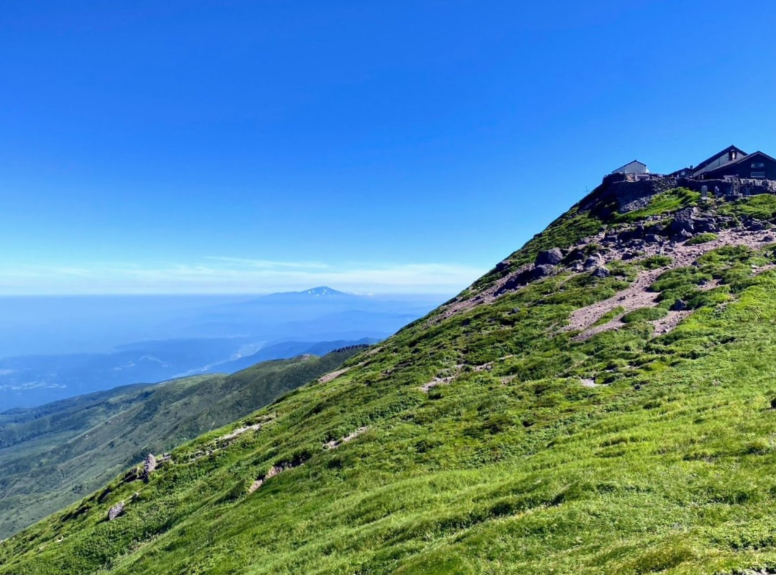
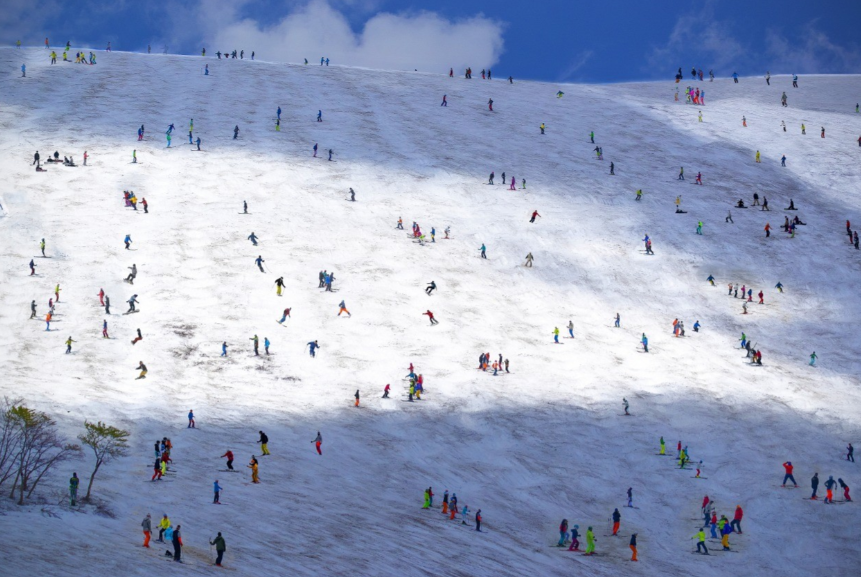
Mount Gassan’s uniqueness is that snow persists on its summits well into the summer. Even in July, there are large snowfields to be found, and this is a feature that attracts skiers as well as hikers during some of the seasons. For this reason, on a hike to the top of Mount Gassan, you may experience two seasons in one day: green meadows down below and white snow patches above.
The mountain is also closely connected to the asceticism of mountains, Shugendo, a combination of Shinto and Buddhist philosophy. The trails are usually crossed by pilgrims in white, and shrines can be found on almost all trails.
What is the Optimal Time for the Mount Gassen Hike?
The season for hiking here is not as long as at many other Japanese peaks. Trails open early in July and are closed by early October when it snows again. The time constraint is quite critical, and a hike to Mount Gassan should be well-timed.
In July, both snow and alpine flowers are present. A lot of people like to hike in August because it is cooler and less windy and humid. September, however, is linked to blue skies and fall foliage colours at lower elevations. The hike should be done early in the morning, as it often gets misty over the peak by midday.
Which Way To Go Mount Gassen Hike?
There are multiple approaches, and they will be based on the time available and familiarity with hikes.
Hachigame route is the most popular route to start a Mount Gassan hike. The bus is driven to the eighth station, from where a well-marked trail runs up through the alpine landscape. This is usually suggested for beginners.
Nishikawa Route: This route comes from the west, which is less crowded and has fewer opportunities for tourists to see it. Much longer sections of forest are traversed before entering the alpine area, and it is a popular destination for solitude.
Yudono-jinja Route: It is a route that leads from Mount Gassan to Mount Yudono to make an extended Dewa Sanzan circuit. Many people choose it for religious reasons related to the three mountains, and not necessarily for its speed or convenience.
The decision to take either direction should be made in advance, as snow conditions are necessary for safe passage and may cause delays late in the season.
How to Prepare the Body?
It is important to be physically prepared before attempting a hike up Mount Gassan. In the weeks before the trip, a program of endurance training, including brisk walking, jogging, or cycling, is encouraged. Building strength in the legs and core of the body is also a good idea, and there are some exercises such as lunges and step-ups that will help to achieve this so as to be able to cope with uneven ground and snow patches.
It is also recommended that the shorter local walks are done first in order to try out shoes and layers of clothing. It’s also a good idea to practice some balance drills since there are times when snowfields move even in the summer months.
What Gear Do You Need?
In most cases, a well-packaged kit is a must when hiking on Mount Gassan, especially in warmer seasons when it may be snowy. Here are some of the most popular suggestions:
- Waterproof boots that are excellent for dirt and snow trails, if available.
- Gaiters to keep snow and debris out of boots
- Layered clothing, as there is a large temperature differential from top to bottom of the climb;
- A waterproof and windproof jacket;
- Snowshoes for winter and rock boots for loose rock, and good trekking poles.
- Sunglasses, as snowfields can reflect a lot of glare.
- Wear a good sun cream liberally as a result of reflected UV radiation.
- Adequate water and snack foods that are rich in energy and calories
- A basic first aid kit.
- A map or GPS to navigate the trail in case of fog (which can make it hard to see trail markers)
So again, and again, sun protection is key – many hikers don’t appreciate the intensity of reflected sunlight in the snow.
What are the Events for the Ascent?
The climb is broken into distinct and identifiable portions, with each portion having a distinct character.
At the eighth station, there are wooden boardwalks to be crossed first that lead through wetlands with alpine plants. These are the wildflowers frequently talked about in this section, and slowing down is recommended so that the view can be enjoyed.
Gradually higher, snowfields start to emerge, and cautious footing is required. Here, trekking poles can be very handy, and it’s recommended that tracks be used where possible, as depressions may not always be visible above the ground.
The going is rockier as the summit shrine is now in view, and a further steep climb is needed. Here, many hikers stop to rest, as the elevation, together with exertion, can be more noticeable on this final bit. This is the pivotal moment of a Mount Gassan hike, when the shrine finally comes into sight, and this is the best part of the hike.
What Lies Ahead at the Summit?
At the top is the Gassan Shrine, and it is customary to ask for a small gift to receive a blessing from the shrine. Wide vistas can be enjoyed throughout the surrounding Dewa Sanzan area, and on clear days, other mountain ranges can be glimpsed out to sea.
Weather can be unpredictable at this height, so it is advisable to spend a relatively short time at the top if clouds are sighted and the weather deteriorates. Typically, before starting the descent, photos are taken, rest is provided, and a light snack is consumed.
What Should Be Done on the Way Back Down?
Descending is taken seriously! Any snow patches seen earlier will have to be crossed again, and extra care is recommended as footing can become less stable when tired. A slower pace is suggested, and trekking poles should still be utilized.
It is also recommended to repeat the route unless another one has been planned and studied prior. There should be more daylight planned for, and if the trip to Mount Gassan lasts longer than anticipated, a headlamp should be carried.
What are the safety Measures for the Mount Gassen Hike?
For this mountain, several precautions are strongly advised:
In some seasons, there will be snow and weather conditions; check these out before going.
Prior to embarking on a hiking trip, a plan should be discussed with lodges or local visitor information centres.
Even in midsummer, it is always best to bring layered clothing.
In areas close to snowfields, sun protection should be reapplied frequently.
Groups should stay together, especially in connection with snow crossings.
Fog can form quickly and wipe out the trail, so trail markers must be closely monitored.
Snow and religious sites frequently share the mountain environment, and reducing risk is deemed essential for doing these things.
A Climb Rooted in Tradition
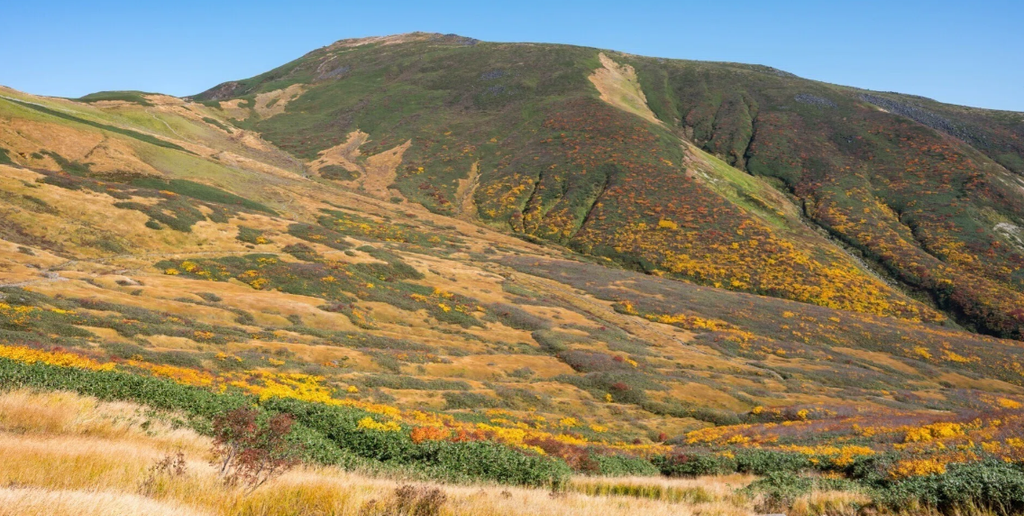
It’s not only a hike on top of the mountain of Gassan, but a layering of history along its trails. The shrines, snowfields, and centuries of pilgrimage all contribute to the physical challenge and spiritual reflection.
If you are willing to make the effort to properly prepare and respect the changing conditions of the mountain, this climb is one you can find in very few places that offer it in the same afternoon of the summer.

2 thoughts on “Mount Gassan: A Sacred Snowfield Waiting to Be Explored ”