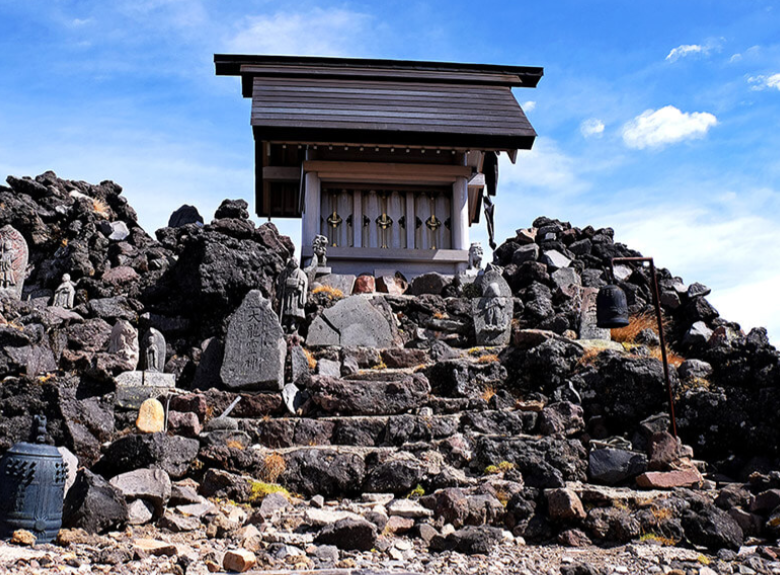
Pilgrims and hikers have been visiting Mount Ontake, the second-tallest volcano in Japan, since time immemorial. This holy mountain is situated where Nagano and Gifu prefectures meet and offers a rich spiritual heritage and fun outdoor experiences. For many outdoor lovers, a hike up Mount Ontake is one of the best hikes in Japan.
Table of Contents
Understanding Mount Ontake
Mt Ontake, at 3,067 metres, is a sacred shrine in the religious tradition known as Ontake-kyo, which combines Shinto and Buddhist beliefs. Note that the mountain has erupted in the past, including a tragic eruption in 2014. For this reason, each hike of Ontake must be done with awareness of the current volcanic alert level issued by the Japan Meteorological Agency.
Best Time for a Mount Ontake Hike
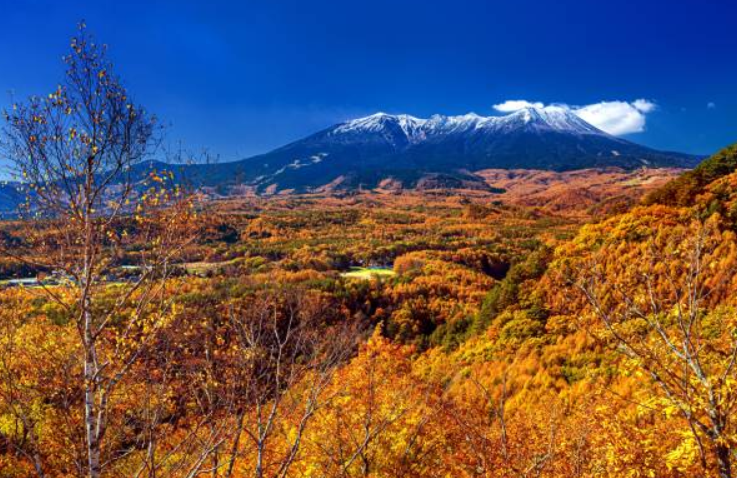
Typically, the hiking season is from early July to mid-October. When it is outside this window, the snow and ice are usually present, and technical mountaineering equipment is necessary. A hike up Mount Ontake in the summer or early fall is much safer and more accessible for most visitors.
Warmer weather prevails in July and August, but so do afternoon thunderstorms. September has been considered a good month because the weather is cooler and clearer, with less cloud cover. Early starts are recommended, as afternoon weather changes are often reported in this area and others that are at other high elevations.
Step 1: Route Selection
There are a number of possible routes available for Ontake hikes, and the appropriate route should be selected depending on fitness and experience.
Tanohara Route: This is the most popular and easiest place to start from. The trailhead can be reached by bus or car, and a good trail leads to the top. This walk is frequently used for the first time hiker on a hike to the top of Mount Ontake.
Kurosawaguchi Route: This route is less popular and considered to be more remote. There are fewer facilities along the way; thus, hikers opting to take this route need to be more prepared.
Nigorigo Route: This route is taken from the Gifu side. Hot springs (Onsen) are found close to the trailhead, and after descending, a soak is often enjoyed.
Regardless of the route chosen, it is important to check in advance that the route is not closed, as sometimes volcanic monitoring can cause closures.
Step 2: Physical Preparation
Physical conditioning cannot be overlooked before attempting a hike to Ontake. Weeks before the trip, exercises that strengthen cardiovascular endurance, such as running, cycling, or climbing stairs, are conducted.
It’s also important to build up leg strength, as there are plenty of steep sections up most routes. The hiking guides often suggest squats, step-ups, and lunges. Also, shorter practice hikes are recommended to be undertaken before the actual hikes to ensure that boots and equipment can be tried out in real situations.
Step 3: Essential Gear
A Mount Ontake hike will be safe and enjoyable only if the proper equipment is used. Packing lists usually contain the following items:
- Strong boots for walking with ankle support.
- Wear multiple layers, as there are temperature fluctuations at altitude.
- Always bring rain equipment; it’s a common occurrence
- Volcanic terrain makes a hiking helmet highly recommended.
- A gas mask or dust mask (some guides advise against using it in the event of volcanic gas),
- Steep sections or loose ground can be a problem, and trekking poles come in handy.
- Water and high-energy snacks plentiful.
- A headlamp (if going down after dark)
- A First Aid Box and a whistle to call for help in case of emergency.
The mountain has a volcanic history, and it is emphasised by mountain rescue groups that a helmet should always be worn.
Step 4: The Ascent
A hike to the ascent of Mount Ontake is normally split into phases, with mountain huts established along the route.
The forested tracks are followed from the trailhead at Tanohara. Slowly, the tree line is left behind, and volcanic rock formations start to appear. This is a very religious mountain, as several torii gates and shrines are encountered along the way.
The higher the elevation, the rockier and more exposed the terrain is. Rest stops are recommended at the huts; water and basic supplies may be available at some of these places. It is recommended to take it easy and maintain an easy, steady pace because overexertion can cause altitude sickness.
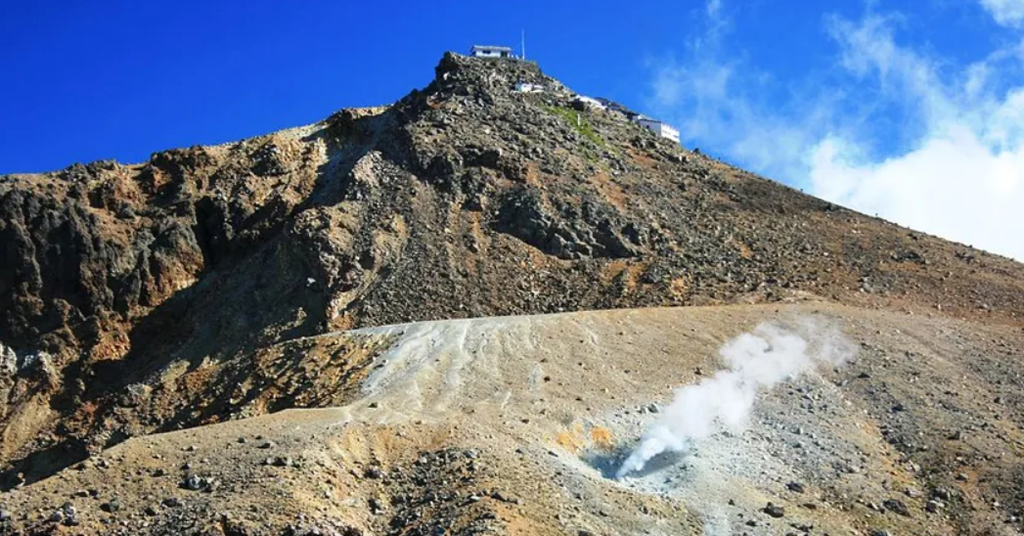
Some volcanic rock becomes loose near the summit, so watch for this near the summit. This part is particularly beneficial for trekking poles. For those who have hiked the Ontake volcano, the final stage up to the rim of the crater is considered the most difficult; both physically and in terms of the memories of previous eruptions.
Step 5: Reach the Summit
From the peak, you can enjoy a wide range of views over the Japanese Alps. In the case of clear weather, even Mount Fuji is seen in the distance. There are a number of shrines at the summit, and offerings are traditionally left by pilgrims who practice Ontake-kyo.
Some time needs to be set aside for resting and rehydrating, and for taking photos, but be mindful of changing weather, as it can change suddenly at this altitude. If stormy weather is sighted along the route to the summit of a Mount Ontake hike, it is never too late to turn around.
Step 6: The Descent
To safely descend a hike on the Ontake is as important as the hike to climb. Knees are under a lot of pressure when coming down, so use trekking poles and go down more slowly on steep downclimbs.
Unless otherwise planned and mapped, it is recommended that the same route be repeated. There needs to be enough daylight to make the return trip, and it is advisable to bring headlamps with you in case it gets dark before you get to the trailhead.
Step 7: Safety Considerations
Safety should be a top concern on any hike of Mount Ontake. The following precautions are recommended:
Volcanic Alert Levels must be verified prior to departure and followed during the trip.
As is common in Japan, a hiking plan is required to be submitted to local authorities or lodges. The weather should be checked the night before and the morning of the hike.
In the vicinity of the crater, a helmet should be used. Groups must not be separated, and a buddy system should be kept. Cell phone coverage is limited in remote areas, so be sure to save the numbers of the people you can call for help in case of an emergency.
Cultural Significance
It is also important to appreciate that Mount Ontake is not just a place to go for a hike but a sacred site. A common sight along the trail is the pilgrim, dressed in a white robe, singing prayers as they ascend. There are stone memorials to the previous practitioners to be found all along the way and, according to local tradition, should be respected.
In making this hike, one has not only a physical effort, but one’s experience of a connection with centuries of Japanese religious tradition as well.
Final Thoughts
A hike on Mount Ontake is considered a worthwhile but serious activity. Preparation, hazard awareness, and proper equipment are all essential to make your journey safe. This walk, done for spiritual purposes, for beauty, or for personal challenge, is a walk to remember by all who undertake it, and is one of the most memorable of Japan’s alpine walks.

1 thought on “Mount Ontake hike: An Ultimate Reference to Japan’s Sacred Volcanic Peak”